
Misawa Beach unfurls along Aomori's Pacific rim in a seemingly endless ribbon of sand, wide enough that families pitch tents fifty meters from the waterline while surfers claim the break zone without crowding. The beach belongs to a working air-base town rather than a resort enclave, which means you'll share the strand with joggers in USAF sweatshirts, Japanese retirees casting lines into the surf, and high-schoolers practicing their pop-ups on beat-up longboards. The water stays frigid even in August—this is Tohoku, after all—but the waves arrive with dependable regularity, shaped by Pacific swells that travel unimpeded across open ocean.
“This is Tohoku's longest rideable beach break, where civilian surfers and military families share waves that arrive straight from the Kuril Trench.”
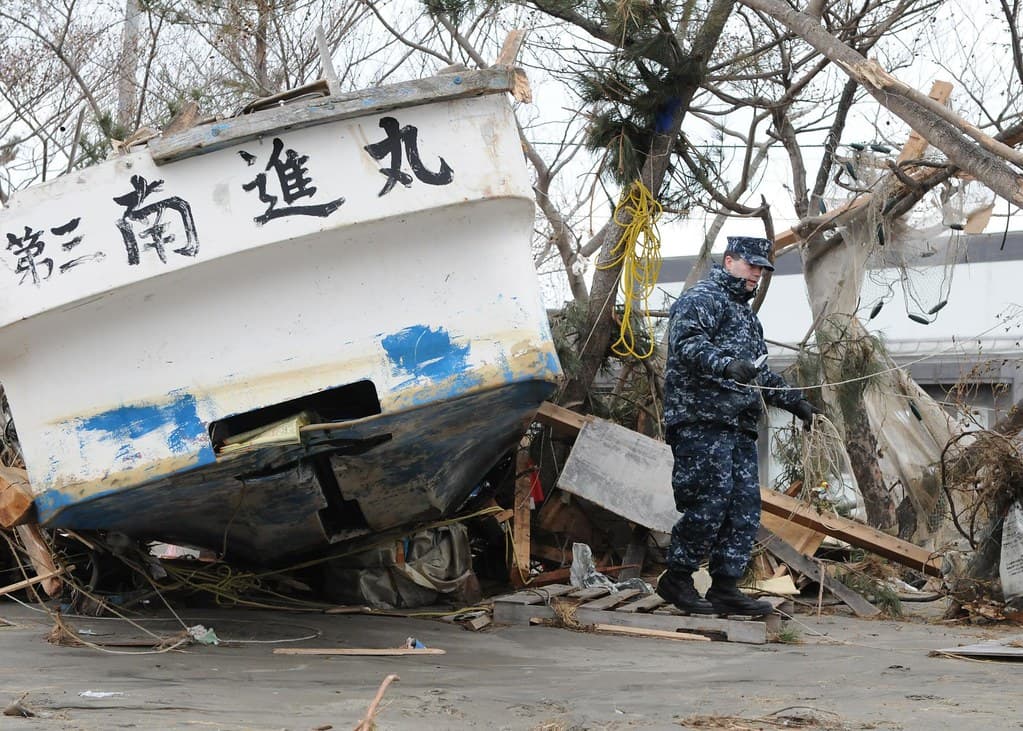
![Sailor lays grandfather's ashes to rest on shores of Iwo Jima [Image 5 of 6]](/_next/image?url=https%3A%2F%2Flive.staticflickr.com%2F8180%2F7888733584_a55485b56b_b.jpg&w=3840&q=75) Credit: Flickr
Credit: FlickrSailor lays grandfather's ashes to rest on shores of Iwo Jima [Image 5 of 6]
The sand itself runs coarse underfoot, packed hard near the tide line where you can bicycle for miles if you time it right. Clusters of tetrapods anchor the northern stretches, breaking the shoreline into semi-private pockets where couples spread blankets beyond the wind's full bite. Come late afternoon and the light turns amber, illuminating the spray kicked up by shorebreak that barrels with surprising power during winter swells.
You won't find beach clubs or umbrella rentals here—Misawa offers instead a working beach where locals have waxed boards and cast nets for generations, indifferent to tourism's usual trappings. Pack your own provisions, respect the lineup, and you'll understand why Tohoku surfers guard this stretch with quiet pride.


