

Minmaya Beach occupies a stark, compelling stretch of coastline where the Tsugaru Strait churns between Honshu and Hokkaido. The sand here carries a charcoal tint, volcanic in origin, and the water stays cold even in August—this is the domain of the Tsushima Current, sweeping north from the Sea of Japan. You'll notice the wind first: persistent, bracing, carrying the scent of kelp and the distant hum of fishing boats working the strait. The beach itself is wide and unmanicured, backed by low dunes and weathered seawalls that speak to winter storms.
“One of the few beaches where you can watch the strait that has shaped northern Japanese culture and commerce for millennia.”
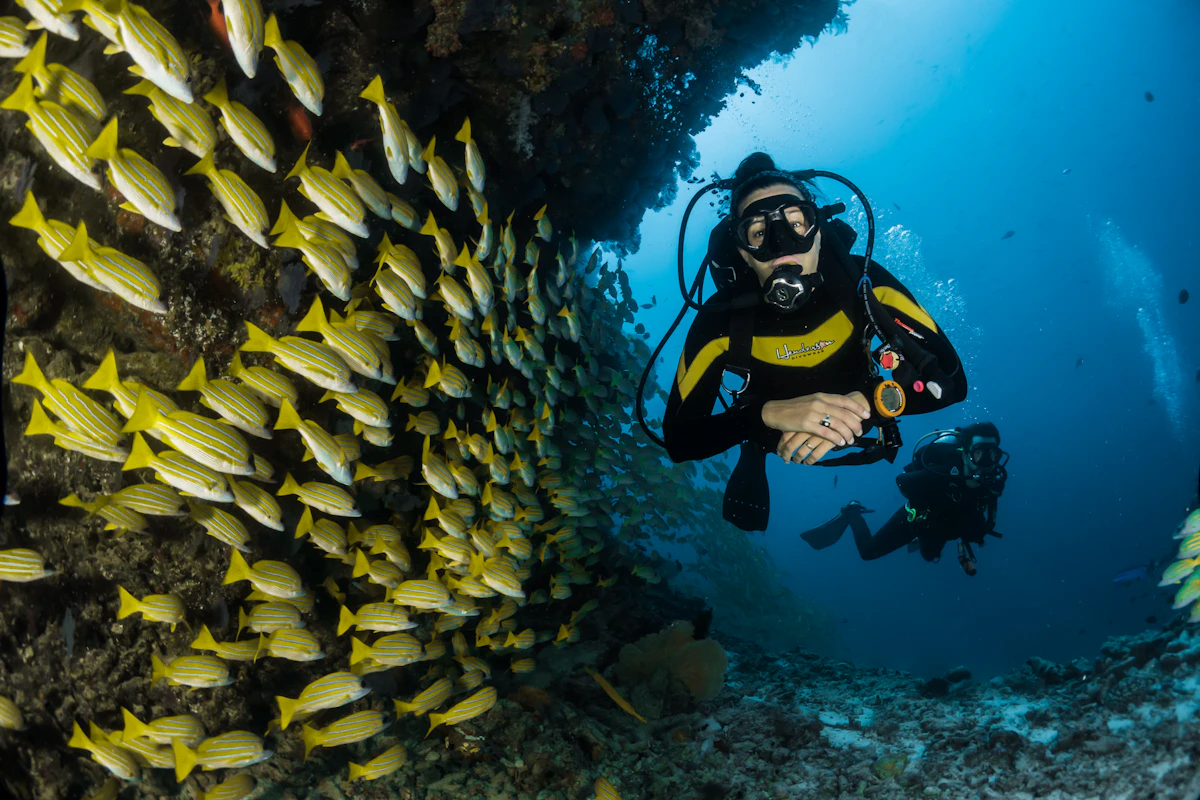 Credit: Unsplash
Palm trees framing a sunset shore
The Minmaya area holds a stoic kind of beauty. Cape Tappi rises nearby, its lighthouse a white sentinel against charcoal cliffs, and on clear days Hokkaido's southern shore materializes across twenty kilometers of open water. Fishing nets dry on wooden frames. Concrete tetrapods line sections of shore. This isn't a place for beach umbrellas or parasailing—it's a place to witness the meeting of land and sea in its most elemental form.
Visit in winter and you'll understand the local character: snowdrifts against the seawall, waves the color of slate, and perhaps a handful of photographers braving the cold to capture the strait under bruised skies. Summer brings marginally warmer water and families who picnic on the sand, children shrieking as they test the frigid surf. The beach remains what it has always been—unvarnished, enduring, and utterly itself.


