
Counting the waves…
Counting the waves…
A refined fusion of water purity, environmental stability, and communal vibrancy for Byōbugaura Coast Beach.
View MethodologyAnalyzed via live sensors and environmental data.
Wave height, wind, and atmospheric stability.
Live footfall and crowd balance metrics.
Community reviews and curated sentiment.
“Stand in awe before the colossal, sculpted cliffs of Byōbugaura Coast Beach, where the land plunges dramatically into the Pacific Ocean. This isn't a beach for sunbathing, but for witnessing nature's raw power, as…”
Limited recent visitor reports — live OBI telemetry is your best guide for current conditions.
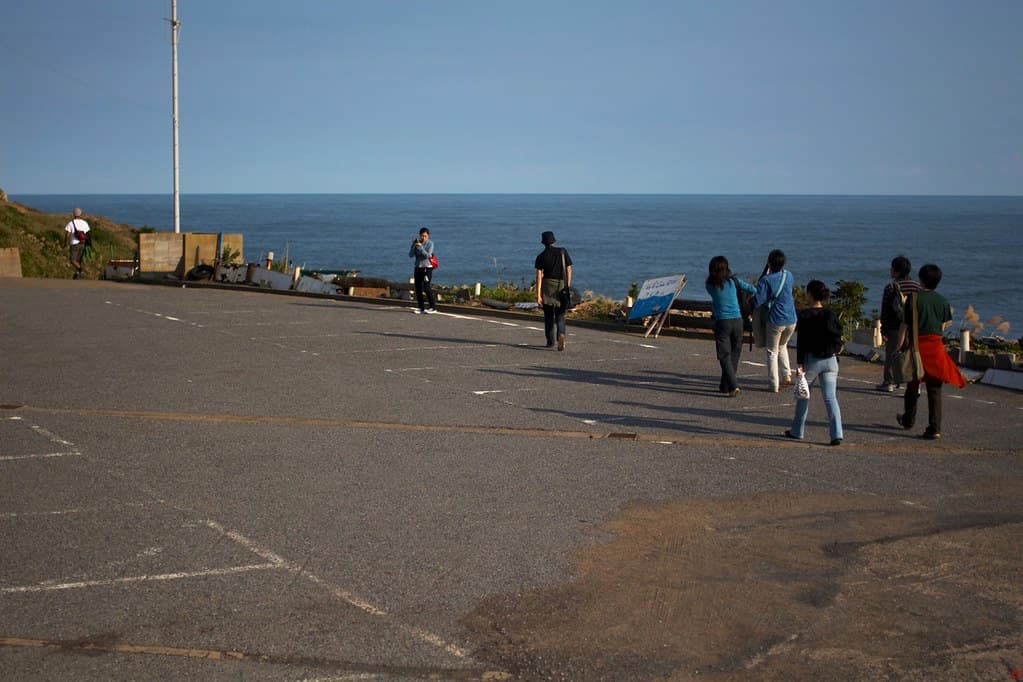
The Byōbugaura Coast Beach is less a beach in the traditional sense and more a dramatic geological spectacle. Here, the land ends abruptly in a series of towering, intricately layered cliffs that plunge directly into the Pacific Ocean. Often referred to as the 'Dover of the East,' these majestic formations stretch for kilometers, their weathered faces revealing millennia of geological history in their exposed strata.
Walking along the narrow strip of sand and pebbles at the base of these colossal walls is an experience of profound scale. The cliffs, sculpted by relentless wind and waves, create a natural amphitheater, with the roar of the ocean echoing against their ancient surfaces. The sheer verticality and the intricate patterns of the rock layers are a photographer's dream, offering endless compositions of light, shadow, and texture.
Tropical island lagoon from above
Crashing wave at sunset on the shoreline
Capture dramatic geological formations
Explore cliff-top paths
Admire vast ocean vistas
Prime Visitation
Best Weather
Where it is
Byōbugaura Coast Beach
Chōshi, Chiba Prefecture, Japan
35.733000°, 140.830000°
Weather
Loading…
Swell
—
Temp
Warm · Restorative
UV Index
Moderate
Wind
—
Tidal State
Last known
Max Sunlight
—
Ideal Shade
—
May - Sep (Peak)
Jan - Dec (Off-season)
Historical data suggests peak visibility and stable sea temperatures occur during the prime visitation window.
Select a category to load nearby places.
Unlock restaurants, luxury stays and curated maritime experiences within 2km
Swimming is generally not recommended at Byōbugaura Coast due to strong currents, rocky shoreline, and the dramatic cliff setting. The beach is primarily a scenic viewing destination rather than a swimming spot. Visitors should exercise extreme caution near the cliff edges, as erosion can cause instability. The area is best enjoyed for walking, photography, and cliff viewing. Always stay behind safety barriers and follow posted warning signs. For swimming, consider other beaches along the Chiba coast with designated swimming areas and lifeguard services during summer months.
The best time to visit is during spring (April-May) and autumn (September-November) when weather is pleasant and skies are clearer for photography. Early morning and late afternoon offer the best lighting for capturing the dramatic cliffs. Summer can be hot and crowded, while winter brings cold winds but crisp views. Avoid visiting during typhoon season (August-October) or after heavy rains when cliff stability may be compromised. Weekdays are generally less crowded than weekends. Check weather forecasts before visiting, as fog can obscure the stunning cliff views.
From Tokyo, take the JR Sōbu Line or Limited Express to Chōshi Station (approximately 2 hours). From Chōshi Station, take a local bus toward Inubōsaki or rent a bicycle for the scenic coastal route. The cliffs stretch for several kilometers, with multiple viewing points accessible by car or bicycle. Driving from Tokyo takes about 2 hours via the Tōgane-Kujūkuri Toll Road. Parking is available at various observation points along the coast. The most famous viewing spot is near the Byōbugaura Observation Deck, easily accessible from the main coastal road.
Chōshi city offers various accommodation options including business hotels, traditional ryokan, and guesthouses, most within 15-20 minutes of the cliffs. The area is famous for fresh seafood, particularly at the Chōshi fishing port where you can enjoy sushi and sashimi. Local restaurants serve Chiba specialties like namerou (minced fish) and sanma (Pacific saury). Several cafes with ocean views are scattered along the coastal route. For convenience, staying in central Chōshi provides easy access to restaurants, shops, and public transportation while being close to the coast.
Byōbugaura earned this nickname due to its striking resemblance to England's white cliffs of Dover. The approximately 10-kilometer stretch of coastal cliffs rises 40-50 meters above the Pacific Ocean, featuring dramatic layered sedimentary rock formations that create stunning geological patterns. The cliffs were formed over millions of years through marine deposits and erosion. Unlike Dover's chalk cliffs, these are composed of sedimentary layers that reveal the area's geological history. The dramatic vertical face, coastal setting, and pale coloring create a similarly majestic appearance, making it one of Japan's most photogenic natural landmarks.
Photos