
Counting the waves…
Counting the waves…
A refined fusion of water purity, environmental stability, and communal vibrancy for Taito Beach.
View MethodologyAnalyzed via live sensors and environmental data.
Wave height, wind, and atmospheric stability.
Live footfall and crowd balance metrics.
Community reviews and curated sentiment.
“For those who chase the perfect barrel, Taito Beach delivers. This iconic stretch of sand along the Sotobō Central Coast is where Japan's surf culture thrives, offering an exhilarating ride for every skill level. The…”
Limited recent visitor reports — live OBI telemetry is your best guide for current conditions.
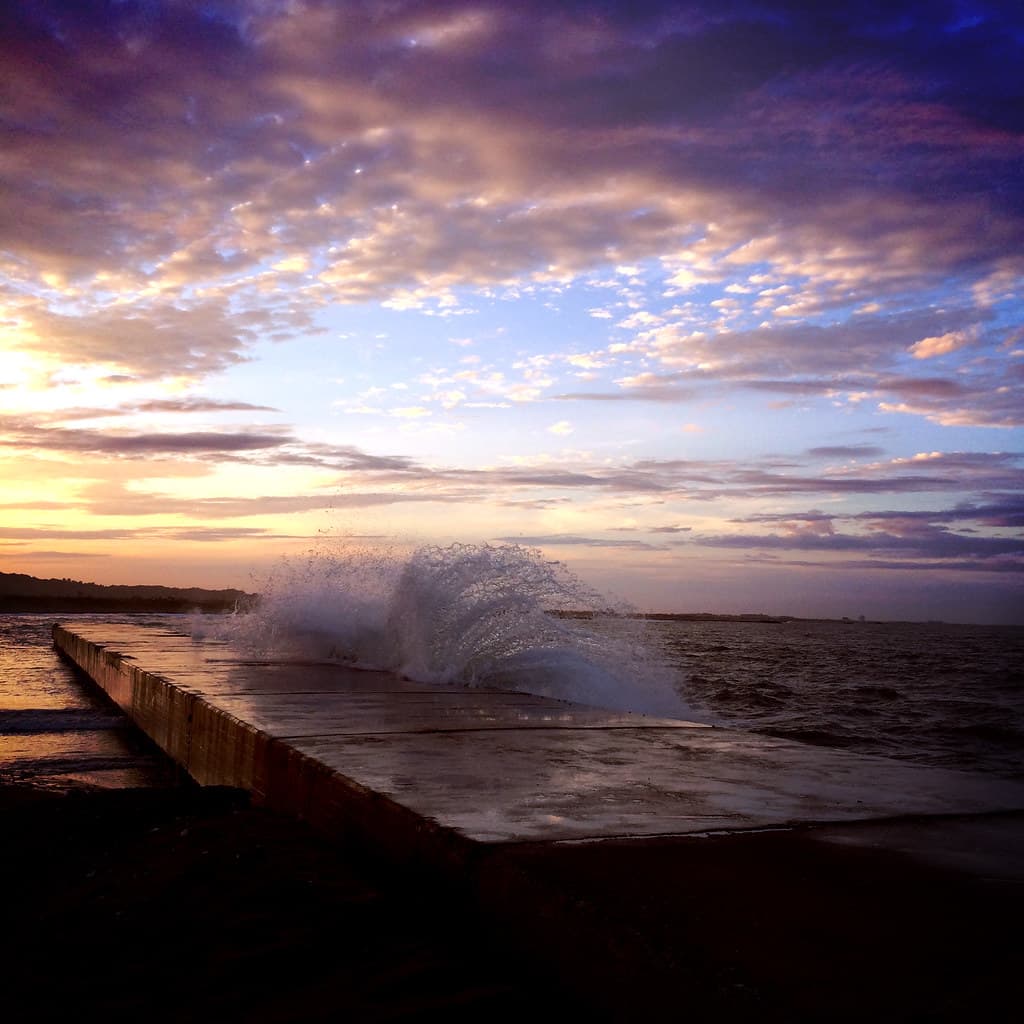
Taito Beach isn't just a patch of sand; it's a living, breathing surf mecca. Here, the Pacific Ocean delivers consistent, well-formed swells that draw boarders from across the globe. You'll find a vibrant community of wave riders, from seasoned pros carving precise lines to eager beginners catching their first foamies, all sharing the stoke of the ocean.
The energy on the sand is palpable, a mix of focused anticipation and post-ride exhilaration. Surf shops dot the nearby streets, offering rentals, lessons, and the latest gear, while local eateries serve up hearty meals to refuel tired muscles. The air hums with the promise of the next set, the tang of salt, and the camaraderie of those who live for the ride.
Tropical island lagoon from above
Crashing wave at sunset on the shoreline
Consistent Pacific swells
Surfer photography
Post-surf refueling
Prime Visitation
Best Weather
Where it is
Taito Beach
Isumi, Chiba Prefecture, Japan
35.285000°, 140.400000°
Weather
Loading…
Swell
—
Temp
Warm · Restorative
UV Index
Moderate
Wind
—
Tidal State
Last known
Max Sunlight
—
Ideal Shade
—
May - Sep (Peak)
Jan - Dec (Off-season)
Historical data suggests peak visibility and stable sea temperatures occur during the prime visitation window.
Select a category to load nearby places.
Unlock restaurants, luxury stays and curated maritime experiences within 2km
Taito Beach is primarily known as a surf destination with consistent Pacific swells, making it more suitable for surfing than casual swimming. The waves that attract surfers can be challenging for inexperienced swimmers and young children. During summer, lifeguards may be present during peak hours, but the beach's surf-oriented nature means conditions favor wave-riding over calm swimming. Beginners should stay in shallow areas and avoid going out during large swells. Non-surfers can enjoy the beach atmosphere, but strong swimmers and surfers benefit most from the conditions. Always check wave forecasts and current conditions before entering the water.
Taito Beach offers surfing opportunities year-round, with consistent Pacific swells making it a renowned destination. Autumn and winter (September-February) typically bring larger, more powerful waves suitable for experienced surfers. Spring and summer provide more manageable conditions, often better for intermediate surfers or those learning. Typhoon season (August-October) can generate excellent swells but also dangerous conditions requiring experience. Early mornings generally offer cleaner waves with offshore winds. Weekdays are less crowded than weekends. Check surf reports and forecasts before visiting, as conditions vary daily. The beach's reputation means good waves attract surfers throughout all seasons, with different conditions suiting different skill levels.
From Tokyo, take the JR Sotobou Line to Isumi or nearby stations, approximately 90-120 minutes, then use local buses or taxis to reach Taito Beach. Many surfers drive, which takes about 90-100 minutes from Tokyo via the Tokyo Bay Aqua-Line and coastal roads, offering flexibility to transport surfboards and gear. The beach's popularity among surfers means better access than some hidden beaches, though public transport remains limited. Rental cars are available at major stations. Some surf shops offer shuttle services during peak season. GPS navigation helps locate the specific beach area. Planning transportation for surfboards is essential if using public transit.
Taito Beach caters to surf culture with surf shops offering board rentals, lessons, and equipment sales. Several surf-oriented accommodations exist nearby, including guesthouses, surf camps, and hotels familiar with surfers' needs. Local restaurants serve casual dining and Japanese cuisine, with some establishments popular among the surfing community. Convenience stores provide basics and refreshments. The area has showers and changing facilities for surfers. Isumi town offers additional dining and accommodation options within short driving distance. The surf scene creates a welcoming infrastructure for wave-riders, with English-speaking services more common than at non-surf beaches. Booking ahead during peak surf season is recommended.
Taito Beach stands out for its consistent, quality Pacific swells that have established it as a renowned surf destination in the Chiba region. Unlike tourist beaches, it attracts dedicated surfers seeking reliable waves year-round. The beach has developed a distinct surf culture and community, creating authentic surf vibes. Its location on the Sotobō Coast catches favorable swells while being relatively accessible from Tokyo, making it popular for weekend surf trips. The combination of consistent waves, surf infrastructure, and welcoming atmosphere makes it special among Japanese surf spots. The beach offers genuine surf culture rather than commercialized tourism, appealing to those who prioritize wave quality and authentic experiences.
Photos