Counting the waves…
Counting the waves…
A refined fusion of water purity, environmental stability, and communal vibrancy for Kujūkuri Beach.
View MethodologyAnalyzed via live sensors and environmental data.
Wave height, wind, and atmospheric stability.
Live footfall and crowd balance metrics.
Community reviews and curated sentiment.
“Kujūkuri Beach, one of Japan's longest sandy stretches, beckons with its consistent waves and vast, open horizon. It's a place where the ocean's power is palpable, drawing surfers and sun-seekers alike to its famous…”
Limited recent visitor reports — live OBI telemetry is your best guide for current conditions.
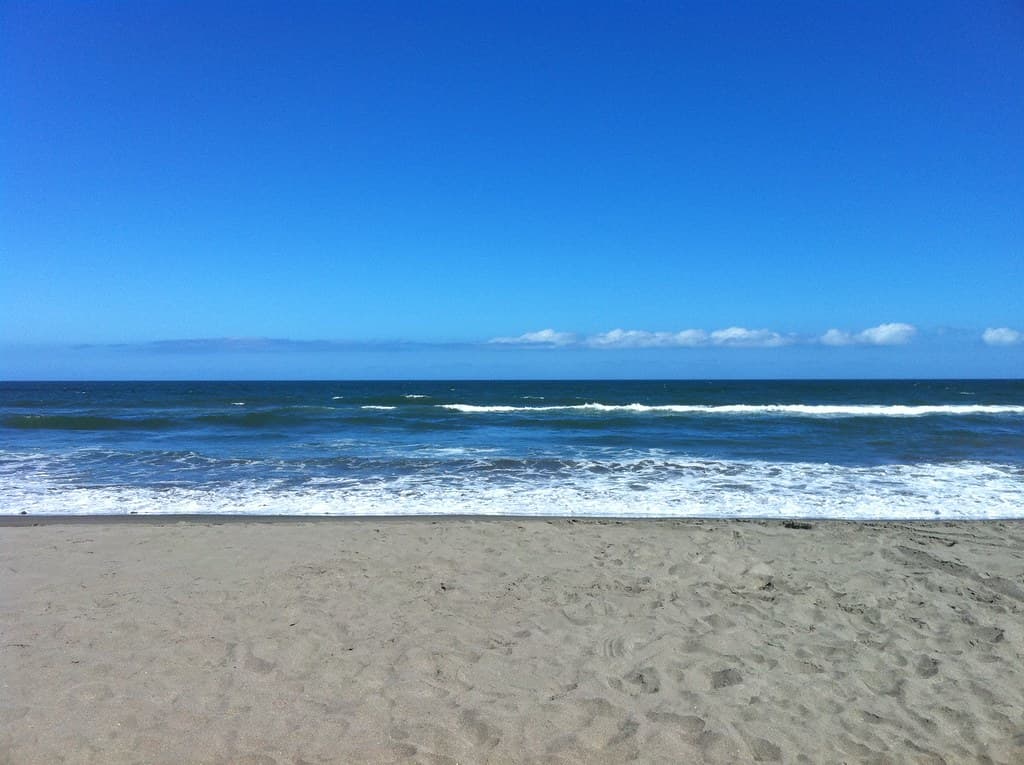
Feel the vastness of Kujūkuri Beach beneath your feet, a seemingly endless ribbon of golden sand stretching for miles along the Pacific coast. The air here is alive with the scent of salt and the roar of the ocean, a powerful symphony that defines this iconic destination. This isn't just a beach; it's a legendary playground for those who seek the thrill of the waves.
The consistent Pacific swells make Kujūkuri a mecca for surfers, from seasoned pros carving lines to beginners catching their first foamies. The energy on the water is infectious, a vibrant tapestry of boards and bodies dancing with the ocean's rhythm. Even if you're not riding waves, watching the surfers is a captivating spectacle, a testament to human connection with nature's raw power.
Tropical island lagoon from above
Crashing wave at sunset on the shoreline
Consistent Pacific swells
Miles of sandy shore
Fiery horizon views
Prime Visitation
Best Weather
Where it is
Kujūkuri Beach
Kujūkuri, Chiba Prefecture, Japan
35.520000°, 140.430000°
Weather
Loading…
Swell
—
Temp
Warm · Restorative
UV Index
Moderate
Wind
—
Tidal State
Last known
Max Sunlight
—
Ideal Shade
—
May - Sep (Peak)
Jan - Dec (Off-season)
Historical data suggests peak visibility and stable sea temperatures occur during the prime visitation window.
Select a category to load nearby places.
Unlock restaurants, luxury stays and curated maritime experiences within 2km
Kujūkuri Beach is generally safe for swimming during the official summer season (typically July-August) when lifeguards are on duty at designated areas. The beach faces the Pacific Ocean, so waves can be strong and currents powerful, making it popular with surfers but requiring caution for swimmers. Always swim in designated areas with lifeguard supervision. Pay attention to flag warnings and local conditions. The beach's length means facilities are concentrated in certain sections. Beginners should avoid swimming during rough conditions or outside supervised zones.
The best time to visit Kujūkuri Beach depends on your interests. For swimming, July and August offer warm weather and full facilities, though crowds are heaviest. Surfers prefer spring and autumn for consistent waves and fewer people. September-October provides pleasant weather with smaller crowds and beautiful sunsets. Early summer (June) can be rainy but peaceful. Winter months are quiet and ideal for beachcombing or watching surfers, though facilities are limited. Sunrise and sunset are spectacular year-round, making early morning or evening visits worthwhile regardless of season.
From Tokyo, take the JR Sobu Line Express to Chiba Station, then transfer to the JR Sobu Line to Togane Station (approximately 90 minutes). From Togane, take a Chiba Kotsu bus to Kujūkuri Beach (about 30 minutes). Total journey time is roughly 2-2.5 hours. By car, take the Higashi-Kanto Expressway to the Matsuo-Yokoshiba IC, then follow Route 126 to the beach (about 90 minutes). Several express buses run directly from Tokyo Station to Kujūkuri during summer weekends, making access easier in peak season.
Kujūkuri Beach offers diverse accommodation options including beachfront hotels, traditional ryokan, guesthouses, and surf camps along the coastline. Many properties cater to surfers and beach enthusiasts. For dining, the area is famous for fresh seafood, particularly sardines (iwashi), clams, and other local catches. Beachside restaurants and casual eateries line the main beach areas. Summer beach houses (umi no ie) offer simple meals and refreshments. The nearby towns of Kujūkuri and Togane have additional restaurants, supermarkets, and convenience stores for self-catering.
Kujūkuri Beach is one of Japan's premier surf destinations, stretching over 60 kilometers and offering consistent Pacific Ocean swells. The area has developed a rich surf culture since the 1960s, with numerous surf shops, schools, and board rental facilities. Different sections of the beach offer varied wave conditions suitable for all skill levels. The beach hosts surf competitions throughout the year and attracts dedicated surfers from across Japan. The long, sandy coastline provides plenty of space, reducing crowding even during popular periods. Local surf communities maintain a welcoming atmosphere for visitors.
Photos