Counting the waves…
Counting the waves…
A refined fusion of water purity, environmental stability, and communal vibrancy for Teuri Beach.
View MethodologyAnalyzed via live sensors and environmental data.
Wave height, wind, and atmospheric stability.
Live footfall and crowd balance metrics.
Community reviews and curated sentiment.
“Teuri Island rises from the Sea of Japan like a fortress of black rock and wheeling seabirds. The ferry from Haboro takes ninety minutes, depositing you onto shores where kelp tangles in tide pools and the cries of…”
Limited recent visitor reports — live OBI telemetry is your best guide for current conditions.
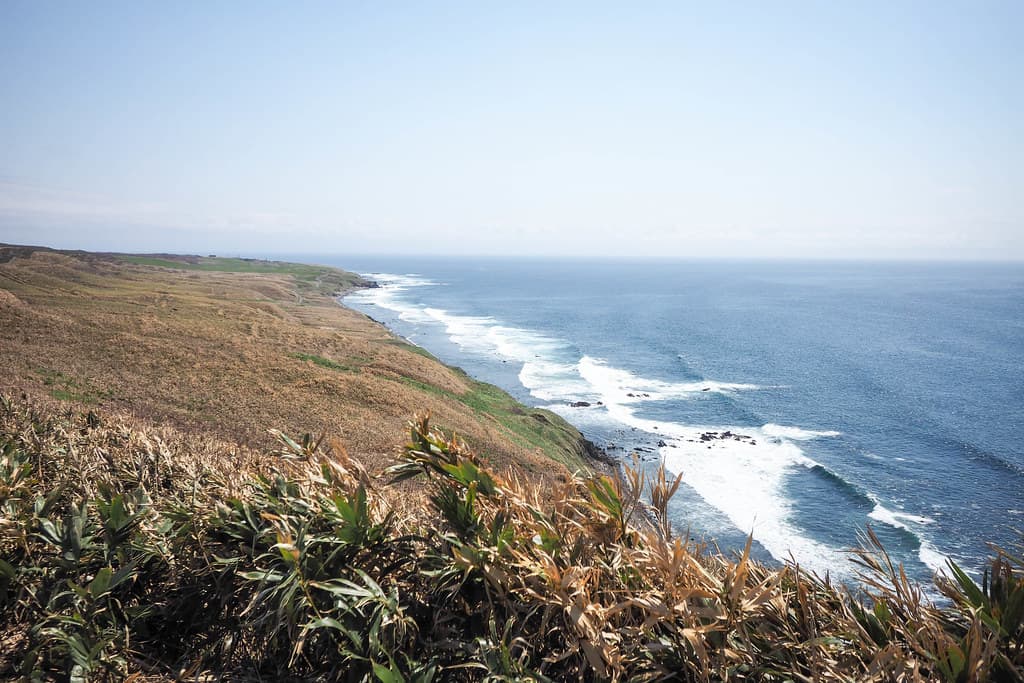
You'll feel the isolation the moment the ferry pulls away from Haboro's modest port. Teuri Beach sprawls along the island's sheltered eastern flank, a narrow ribbon of volcanic sand and rounded stones where the Sea of Japan laps with surprising gentleness. Above, the cliffs bristle with nesting colonies—puffins, guillemots, cormorants—their calls a constant soundtrack to your visit. The island supports fewer than three hundred year-round residents, and most visitors come for the seabirds, not the beach.
But the beach rewards those who seek solitude. Driftwood logs bleached silver by salt and sun line the upper reaches, natural benches facing a horizon unbroken by development. The water runs cold even in August, numbingly so, but locals wade in without hesitation after morning fishing runs. Patches of sea grass sway in the shallows, and if you crouch low at the tideline, hermit crabs scuttle between rocks slick with algae.
Seabird Observation Deck
Puffins nest May through July
Basalt formations, lighthouse views
Harvested by island divers daily
Where it is
Teuri Beach
Haboro, Hokkaido, Japan
44.422500°, 141.315300°
Weather
Loading…
Swell
—
Temp
Warm · Restorative
UV Index
Moderate
Wind
—
Tidal State
Last known
Max Sunlight
—
Ideal Shade
—
May - Sep (Peak)
Jan - Dec (Off-season)
Historical data suggests peak visibility and stable sea temperatures occur during the prime visitation window.
Select a category to load nearby places.
Unlock restaurants, luxury stays and curated maritime experiences within 2km
Swimming conditions at Teuri Beach vary by season. Summer months (July-August) offer the calmest waters, though Hokkaido's ocean temperatures remain quite cold even then. The beach is relatively sheltered, but currents can be unpredictable around island coastlines. There are no lifeguards on duty, so swim at your own risk. The beach is more popular for scenic walks and wildlife watching than swimming. Always check local weather conditions before entering the water, and be mindful that medical facilities on this small island are limited.
Late May through August offers the best weather for visiting Teuri Beach, with temperatures ranging from 15-20°C. Summer (July-August) provides the warmest conditions and calmest seas. However, Teuri Island is renowned for seabird watching, particularly puffins, making May to July peak season for wildlife enthusiasts. The island experiences harsh winters with heavy snow and rough seas from November to March, when ferry services may be limited. Spring and early autumn offer fewer crowds while still providing pleasant conditions for beach walks and photography.
Reaching Teuri Beach requires taking a ferry from Haboro Port on mainland Hokkaido. The Heartland Ferry operates daily (weather permitting), with the journey taking approximately 90 minutes. Ferries run 1-2 times daily depending on season. Once on Teuri Island, the beach is accessible by rental bicycle, local minibus, or on foot from the ferry terminal. Parking is available near Haboro Port on the mainland for those driving there. The island itself is small and mostly car-free, making bikes the preferred transportation method.
Teuri Island has limited but adequate facilities. Several minshuku (Japanese-style guesthouses) and small hotels offer accommodation, mostly concentrated near the ferry terminal. Many lodgings include meals featuring fresh local seafood, which is recommended since dining options are scarce. A few small restaurants and shops operate during tourist season, but choices are limited. It's advisable to book accommodation in advance, especially during seabird watching season (May-July). Some visitors prefer day trips from Haboro, though staying overnight allows you to experience the island's tranquil atmosphere fully.
While Teuri Beach itself isn't the primary seabird viewing location, the island is one of Japan's best spots for observing puffins and other seabirds. Rhinoceros auklets and spectacled guillemots nest in the coastal cliffs, best viewed from designated observation points rather than the beach itself. The main breeding colonies are along the island's western cliffs, accessible via walking trails. Peak viewing is dawn and dusk during May through July. Guided boat tours around the island offer closer views of nesting sites and are highly recommended for serious birdwatchers.
Photos