
The ferry from Haboro takes forty minutes, cutting through steel-blue water before depositing you on Yagishiri Island—a scrap of land barely eight kilometers around where fewer than three hundred people live year-round. The beach curves along the western shore, a sweep of dark sand that absorbs heat in summer and crunches underfoot with fragments of urchin shell and small stones shaped by relentless tides. Gulls wheel overhead, their cries tangling with the hiss of surf that never quite settles, even on calm days.
“One of Japan's most isolated island beaches, accessible only by ferry and nearly deserted even in peak season.”
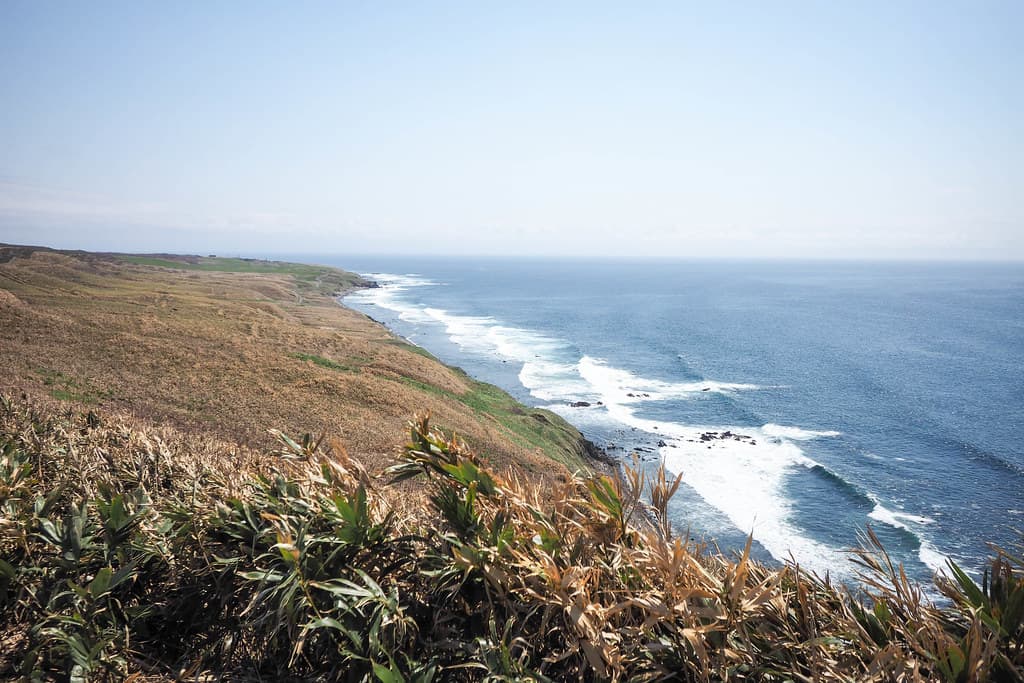 Credit: Flickr
Cycle touring Teuri and Yagishiri Islands (Hokkaido, Japan)
You'll find no umbrellas or rental shacks here. Instead, there are weathered tetrapods stacked against storm surge, fishing boats hauled onto the upper beach, and the occasional wooden bench facing the horizon. The water stays cold through August—locals claim it sharpens the mind—and the currents demand respect. In autumn, the beach takes on a different character: fog rolls in thick from the sea, muffling the already sparse sounds, and you might spot seals hauled out on offshore rocks, their dark shapes barely distinguishable from the stones.
The island operates on a different clock. Shops close early. The one minshuku serves whatever the owner caught that morning. After dark, if clouds clear, the Milky Way unfurls overhead with a clarity mainlanders forget exists. You come here not for amenities but for the rare luxury of a beach that asks nothing of you except presence.


