
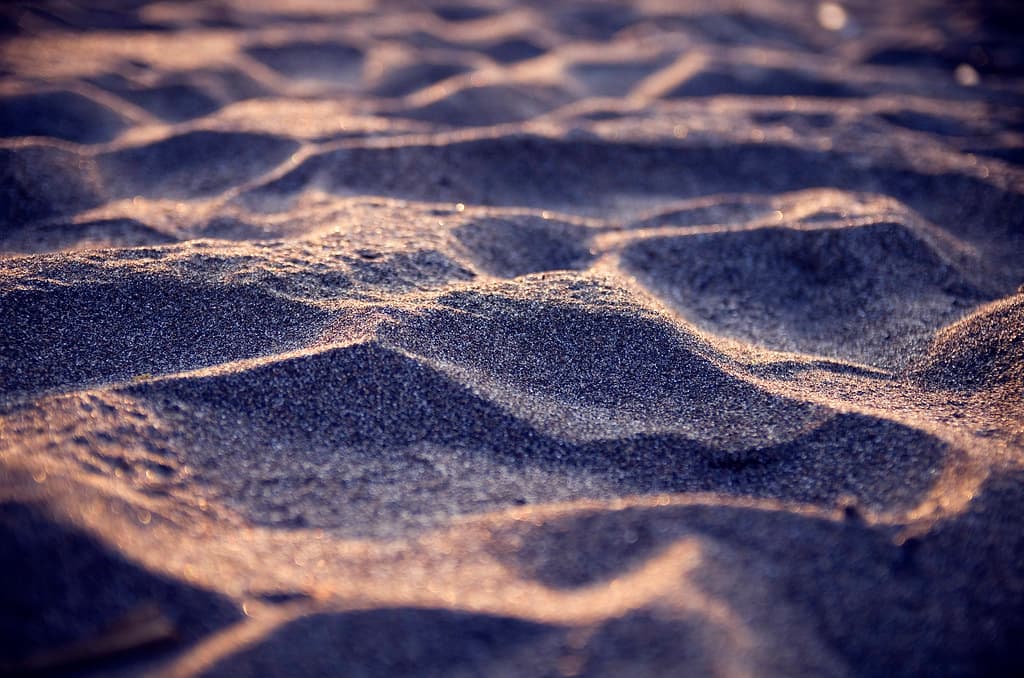
Ishikari Beach unfurls along Hokkaido's western coast thirty minutes north of Sapporo, where the Ishikari River disgorges into the Sea of Japan. The sand here is not white but gunmetal gray, crushed from volcanic rock and fringed by windswept pines. In summer, the beach swells with locals escaping the city—children dig trenches near the tideline, and portable grills send smoke curling into the salted air. The water stays brisk even in July, a reminder that this is northern Japan, where pack ice once drifted close enough to see.
“The largest public beach within reach of Sapporo, where volcanic sand and working salmon culture define the shore.”
 Credit: Flickr
Sands of glittering
The beach earned its reputation not through tropical fantasy but through accessibility and scale. At low tide, the shore widens into an enormous canvas where you can walk for kilometers without obstruction. Food stalls near the parking area sell grilled scallops and corn slathered in soy butter, the kind of unpretentious fuel that tastes better with sand between your toes. In autumn, the beach empties, and the light turns amber as migrating birds stop along the dunes.
Come for sunset when the sky fractures into bands of violet and flame, and the silhouette of distant mountains sharpens against the horizon. Ishikari Beach does not perform; it simply exists—a working coastline where fishermen still haul nets and the rhythm of the sea refuses to be romanticized. You leave with damp shoes and the faint scent of brine in your hair, convinced that this quiet shore knows something the famous beaches have forgotten.


