Counting the waves…
Counting the waves…
A refined fusion of water purity, environmental stability, and communal vibrancy for Sukoton Beach.
View MethodologyAnalyzed via live sensors and environmental data.
Wave height, wind, and atmospheric stability.
Live footfall and crowd balance metrics.
Community reviews and curated sentiment.
“You'll descend a graveled footpath to a shoreline that feels more Scotland than subtropical Asia—smooth gray stones the size of dinner plates, kelp tangles that shift with each surge, and the scent of cold salt air…”
Limited recent visitor reports — live OBI telemetry is your best guide for current conditions.
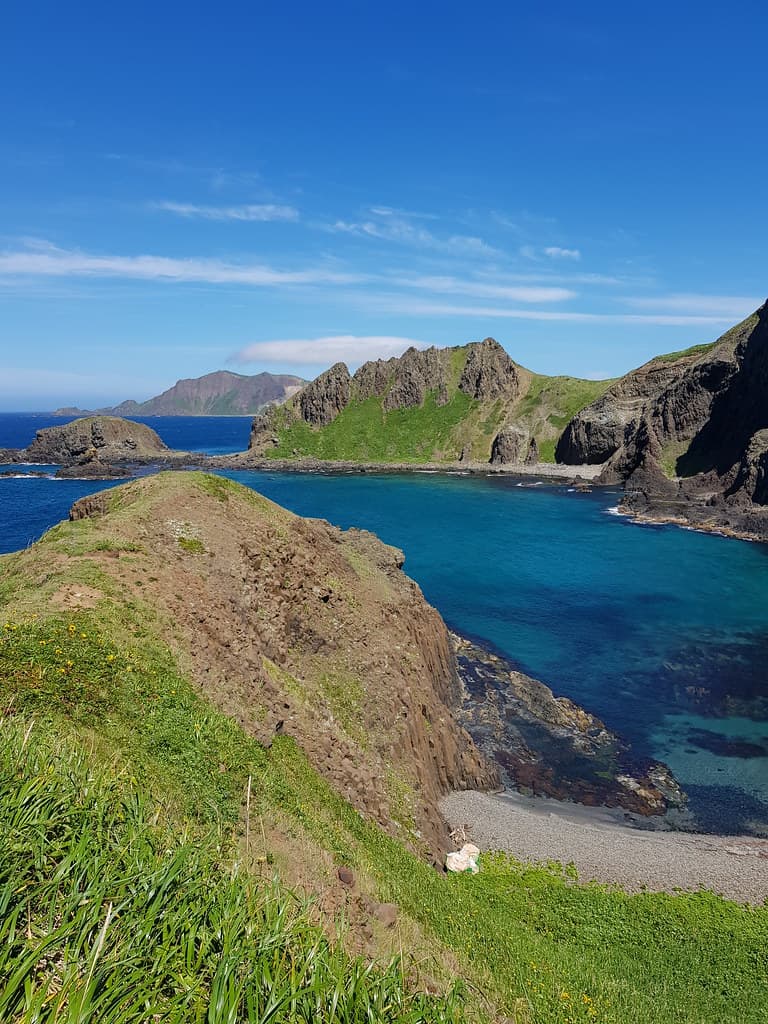
Sukoton Beach sprawls along Rebun Island's northwest edge, a two-hour ferry ride beyond Hokkaido's already remote northern tip. The stones underfoot range from chalk-white to slate, worn smooth by centuries of winter storms that barrel across open ocean from Sakhalin. On clear days you can make out the dark smudge of Russia across the strait; on most days, fog rolls in by mid-afternoon, turning the headlands into ghostly silhouettes.
The shoreline here refuses to sit still. Tides swing wide—four meters at the equinoxes—rearranging driftwood and exposing beds of blue mussels clinging to the rocks. Sea urchins dot the shallows in summer, and local fishermen still harvest kombu from the kelp forests just offshore, spreading the dark fronds on tarps above the high-tide line to dry in whatever sun breaks through.
Lighthouse and sign stand in a snowy landscape.
man in black jacket taking photo of sea waves crashing on shore during daytime
Wildflowers above clifftop meadows
Weather-bleached logs stacked high
Watch kombu drying on tarps
Where it is
Sukoton Beach
Rebun, Hokkaido, Japan
45.488600°, 141.033100°
Weather
Loading…
Swell
—
Temp
Warm · Restorative
UV Index
Moderate
Wind
—
Tidal State
Last known
Max Sunlight
—
Ideal Shade
—
May - Sep (Peak)
Jan - Dec (Off-season)
Historical data suggests peak visibility and stable sea temperatures occur during the prime visitation window.
Select a category to load nearby places.
Unlock restaurants, luxury stays and curated maritime experiences within 2km
Swimming at Sukoton Beach is generally not recommended due to cold water temperatures, strong currents, and rocky conditions. Even in summer, the northern waters off Hokkaido remain frigid. The beach is better appreciated for its dramatic coastal scenery, unique rock formations, and panoramic views rather than swimming. The rugged terrain and powerful waves make it more suitable for photography and sightseeing. Always exercise caution near the water's edge, as waves can be unpredictable and the rocks can be slippery.
Late spring through early autumn (May to September) offers the most accessible conditions for visiting Sukoton Beach, with milder weather and clearer roads. Summer (June-August) provides the longest daylight hours and relatively warmer temperatures, ideal for exploring the rugged coastline. However, Rebun Island experiences cool, windy conditions year-round due to its northern location. Winter visits are possible but challenging due to snow, ice, and limited transportation. Early summer also coincides with alpine wildflower season across Rebun Island, adding to the scenic appeal.
Sukoton Beach is located at Rebun Island's northern tip, accessible only by ferry from Wakkanai (Hokkaido's northernmost city). After reaching Rebun, you'll need a rental car, taxi, or seasonal tour bus, as the beach is about 30-40 minutes from the main port. A small parking area is available near the beach access point. The final approach involves a short walk down to the coastline. Public transportation on Rebun is limited, so renting a car or joining an organized tour is recommended for flexibility in exploring this remote location.
Sukoton Beach itself has no facilities, restaurants, or accommodations due to its remote location at Rebun's northern tip. The nearest services are in the main settlement areas like Kafuka, about 30-40 minutes away by car, where you'll find minshuku (family-run guesthouses), small hotels, and local restaurants serving fresh seafood. It's essential to bring your own food, water, and supplies when visiting Sukoton Beach. Plan your trip as a day excursion from your accommodation elsewhere on the island, and prepare for limited facilities throughout rural Rebun.
Sukoton Beach is famous for its distinctive sea-sculpted rocks and dramatic coastal geology, showcasing the raw power of nature at Japan's northern edge. The beach features striking rock pillars, sea stacks, and unusual formations carved by relentless waves and harsh weather conditions. The name 'Sukoton' derives from the Ainu language, reflecting the area's indigenous heritage. The combination of rugged cliffs, crystal-clear waters, and unique geological features creates exceptional photographic opportunities. The remote, windswept landscape offers a stark contrast to typical Japanese beaches, embodying Rebun's wild, frontier character.
Photos