Counting the waves…
Counting the waves…
A refined fusion of water purity, environmental stability, and communal vibrancy for Shimamui Beach.
View MethodologyAnalyzed via live sensors and environmental data.
Wave height, wind, and atmospheric stability.
Live footfall and crowd balance metrics.
Community reviews and curated sentiment.
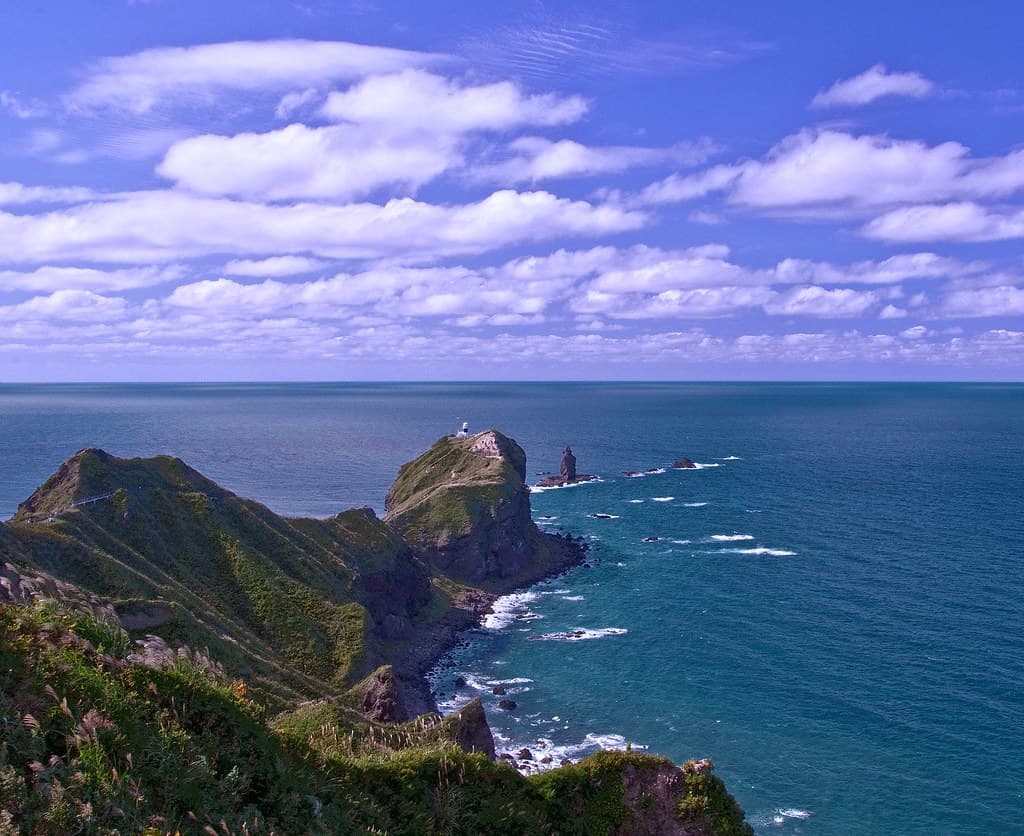
“You round the headland and the sea stops you cold: cobalt deepening to indigo, framed by volcanic cliffs that plunge into the Shakotan Peninsula's cleanest water. The pebbles shift underfoot as wavelets hiss and…”
Limited recent visitor reports — live OBI telemetry is your best guide for current conditions.
Shimamui Beach sits at the end of a narrow road that snakes along Hokkaido's western shoulder, where the Shakotan Peninsula juts into the Sea of Japan. The descent to the shore—a concrete staircase flanked by wild rosa rugosa—opens onto a cove hemmed in by rust-streaked basalt. The water here earns its reputation. Locals call it Shakotan Blue, a pigment born from glacial melt, mineral-rich currents, and the kind of isolation that keeps sediment at bay. On calm days you can watch your toes eight feet down.
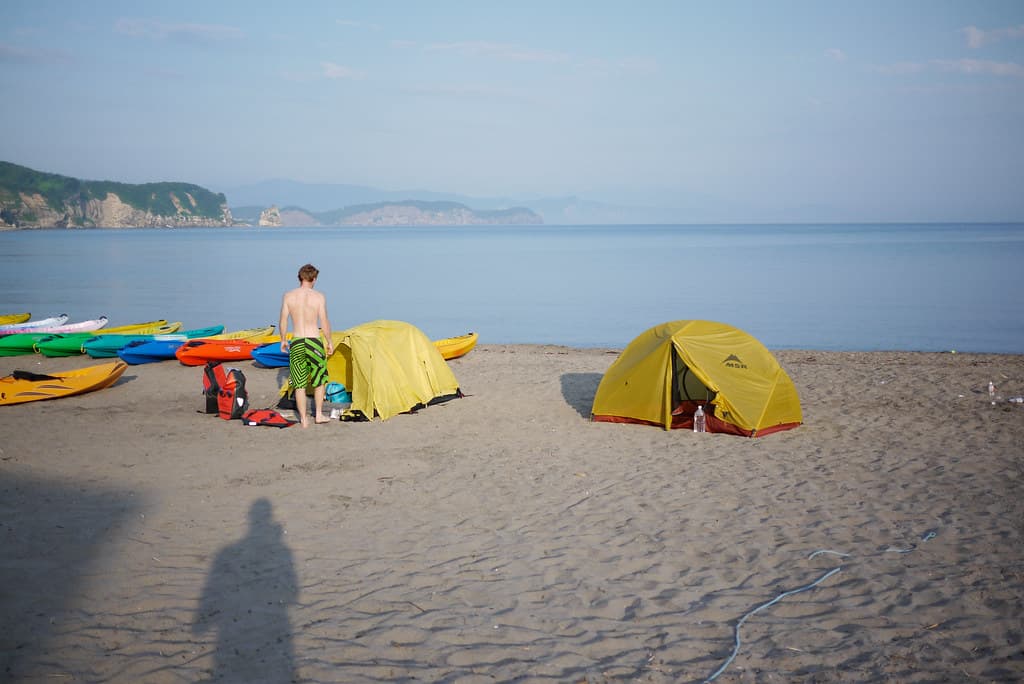
The beach itself is coarse: rounded stones in shades of charcoal and slate, warm under your palms by midday. Kelp rafts bob just beyond the breakwater. In summer, families from Sapporo claim patches of shade beneath beach umbrellas, their coolers stocked with uni harvested that morning from the peninsula's dive cooperatives. The air smells of salt and the faint iodine tang of drying seaweed.
Water clearest before noon
Cape Kamui trail thirty minutes
June to August season
Where it is
Shimamui Beach
Shakotan, Hokkaido, Japan
43.361800°, 140.471300°
Weather
Loading…
Swell
—
Temp
Warm · Restorative
UV Index
Moderate
Wind
—
Tidal State
Last known
Max Sunlight
—
Ideal Shade
—
May - Sep (Peak)
Jan - Dec (Off-season)
Historical data suggests peak visibility and stable sea temperatures occur during the prime visitation window.
Select a category to load nearby places.
Unlock restaurants, luxury stays and curated maritime experiences within 2km
Swimming at Shimamui Beach is generally safe during the official summer season (typically July to August) when lifeguards are on duty. The beach features calm, clear waters ideal for swimming. However, swimming outside the designated season is not recommended as there's no supervision and weather conditions can be unpredictable. The beach can have occasional currents, so always swim within marked areas. Water temperatures are chilly even in summer, averaging 18-22°C, so be prepared for cold water.
The best time to visit Shimamui Beach is July through August when weather is warmest and swimming facilities are fully operational. During these months, you'll find the famous turquoise waters at their clearest and most vibrant. However, visiting during shoulder seasons (June or September) offers fewer crowds while still providing excellent views, though swimming may not be permitted. Winter visits are possible for photography enthusiasts, but facilities are closed and access may be limited due to snow.
Shimamui Beach is located in Shakotan Peninsula, approximately 2.5 hours by car from Sapporo via Route 229. There's no direct public transportation, so renting a car is highly recommended. Free parking is available near the beach, though spaces can fill quickly during peak summer weekends. The parking area is a short walk from the beach itself. Be aware that the coastal road offers stunning views but has narrow, winding sections requiring careful driving.
The immediate beach area has limited facilities, with a small seasonal beach house operating during summer. For dining, head to nearby Shakotan town, famous for fresh uni (sea urchin) served at local restaurants, especially during June to August. Accommodation options are limited on the peninsula; most visitors stay in Otaru (1.5 hours away) or Sapporo and make it a day trip. A few minshuku (Japanese guesthouses) and small hotels exist in Shakotan village for those wanting to stay locally.
Shimamui Beach's distinctive turquoise water results from several natural factors unique to the Shakotan Peninsula. The area's crystal-clear water has exceptional transparency due to minimal river runoff and pollution. The rocky seabed, white sand composition, and specific depth create light refraction that produces the vivid blue colour. The peninsula's geographical position and ocean currents also contribute. This phenomenon earned Shakotan the nickname 'Shakotan Blue,' making it one of Japan's most photographed coastal areas.