Counting the waves…
Counting the waves…
A refined fusion of water purity, environmental stability, and communal vibrancy for Utonai Beach.
View MethodologyAnalyzed via live sensors and environmental data.
Wave height, wind, and atmospheric stability.
Live footfall and crowd balance metrics.
Community reviews and curated sentiment.
“You'll find fishermen casting lines at dawn, children building sandcastles under the watchful gaze of seabirds, and the distant hum of Tomakomai's port reminding you this isn't a remote hideaway—it's a working coast…”
Higher weekend density may affect water purity and crowd scores temporarily.
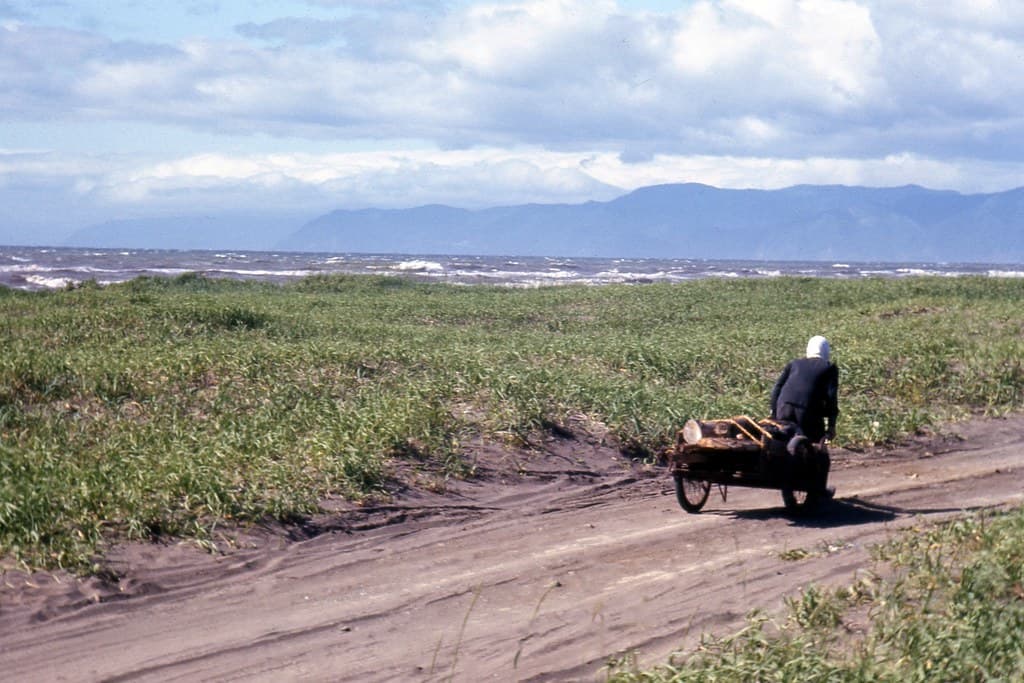
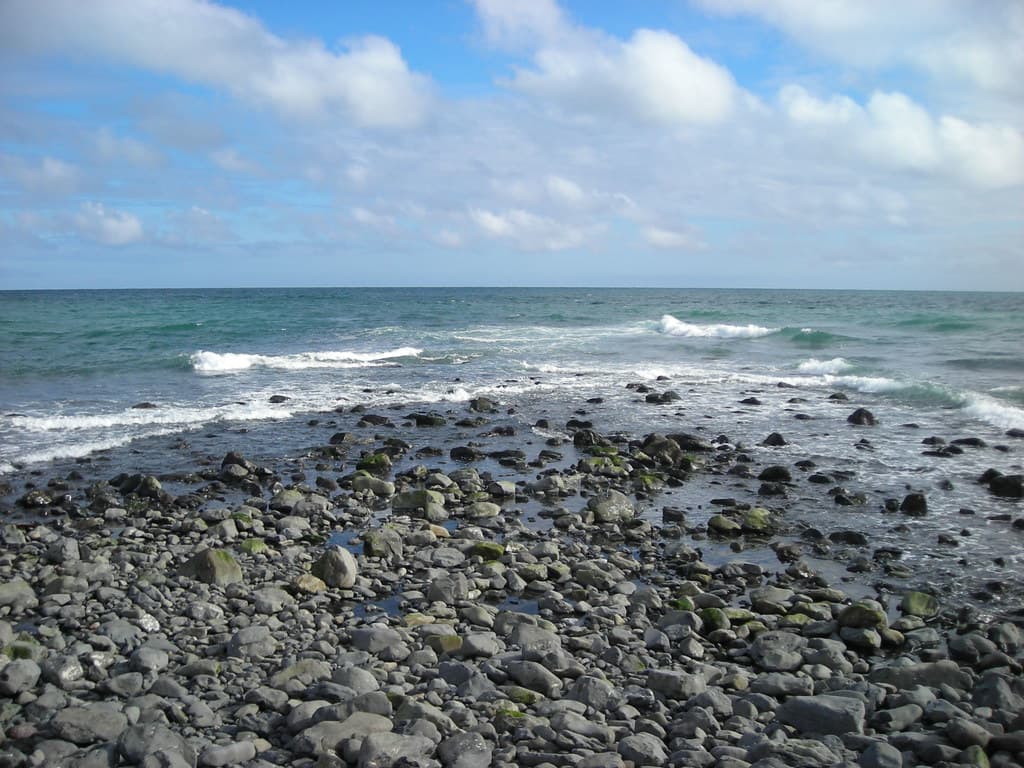
The beach unfolds in a wide crescent where the Utonai Wetlands meet the Pacific, its charcoal-gray sand formed from volcanic ash that speaks to Hokkaido's fiery geology. You'll walk across a surprisingly gentle shore, the kind where toddlers can wade safely while their parents scan the tree line for the white-tailed eagles that nest in the adjacent sanctuary. On weekends, local families spread picnic blankets near the dunes, unpacking bento boxes filled with Tomakomai's famed surf clams.
The proximity to Japan's second-largest bird sanctuary means you're never far from the rustle of reed beds or the sight of swans gliding across inland lagoons just beyond the beach grass. Come in late afternoon and the light turns the water into hammered pewter, the kind of muted palette that defines Japan's northern coastline. Industrial cranes dot the horizon to the west, but they feel more like part of the landscape than an intrusion—a reminder that Hokkaido's beaches serve communities, not just postcards.
Wide white-sand beach with footprints
Cliff-edge cove with emerald water
Swans and cranes year-round
Wooden trails through reed marsh
Tomakomai's local specialty catch
Where it is
Utonai Beach
Tomakomai, Hokkaido, Japan
42.690200°, 141.705300°
Weather
Loading…
Swell
—
Temp
Warm · Restorative
UV Index
Moderate
Wind
—
Tidal State
Last known
Max Sunlight
—
Ideal Shade
—
May - Sep (Peak)
Jan - Dec (Off-season)
Historical data suggests peak visibility and stable sea temperatures occur during the prime visitation window.
Select a category to load nearby places.
Unlock restaurants, luxury stays and curated maritime experiences within 2km
Utonai Beach is generally calm and suitable for wading, but swimming conditions vary seasonally. Summer months offer the warmest water temperatures, though Hokkaido's coastal waters remain cool even in peak season. The beach has gentle waves, making it relatively safe for families with children. However, there are no lifeguards on duty, so visitors should exercise caution and supervise children closely. Check local weather conditions before visiting, as the Sea of Japan can experience sudden changes. The beach is better known for walking and birdwatching than active swimming.
Utonai Beach can be visited year-round, with each season offering different experiences. Summer (July-August) provides the warmest weather for beach activities and picnics, though water remains cool. Spring and autumn are excellent for birdwatching at nearby Utonai Lake, a designated Ramsar wetland site. Winter offers serene coastal walks and potential snow-covered beach landscapes unique to Hokkaido. The beach is less crowded during weekdays and off-peak seasons. For comfortable weather and family-friendly conditions, late June through early September is ideal, though visitors should bring layers as coastal temperatures can be unpredictable.
Utonai Beach is easily accessible from Tomakomai city center, located approximately 15 minutes by car. If driving, take Route 36 and follow signs toward the coastal area; free parking is available near the beach. Public transportation options include local buses from Tomakomai Station, though service may be limited, so checking schedules in advance is recommended. The beach's proximity to New Chitose Airport (about 20 minutes by car) makes it convenient for travelers arriving in Hokkaido. Taxi services from the station are also available and relatively affordable for this short distance.
Utonai Beach has basic facilities including public restrooms and parking areas. Being an urban beach near Tomakomai, you'll find restaurants and convenience stores within a short drive, particularly along Route 36 and in central Tomakomai. For accommodations, several business hotels and traditional ryokans are available in Tomakomai city, approximately 10-15 minutes away. The nearby Utonai Lake Sanctuary has a visitor center with information about the area. For more extensive dining and shopping options, downtown Tomakomai offers numerous choices. It's advisable to bring snacks and drinks if planning an extended beach visit.
Yes, Utonai Lake is located very close to Utonai Beach and makes an excellent complement to a beach visit. This internationally recognized Ramsar wetland site is one of Japan's premier birdwatching destinations, home to over 250 bird species including swans, cranes, and various waterfowl. The sanctuary features walking trails and an observation center with information in Japanese and English. The combination of beach and wetland ecosystems creates a unique environment rare in urban areas. Visiting both locations in one trip offers diverse natural experiences, from coastal scenery to wildlife observation, making it worthwhile for nature enthusiasts and families.
Photos