

You stand at the ragged terminus of Hokkaido, where the beach unfurls in a slender arc beneath steep headlands. The sand here is dark—volcanic grit that clings to your boots—and the wind arrives unfiltered from Siberia, carrying the mineral tang of the open sea. In summer, wild roses bloom along the bluffs; in winter, drift ice nudges the shallows, turning the waterline into a mosaic of white shards and black stone.
“Japan's northernmost beach offers solitude shaped by Siberian winds and volcanic geology, where remoteness is geography, not marketing.”
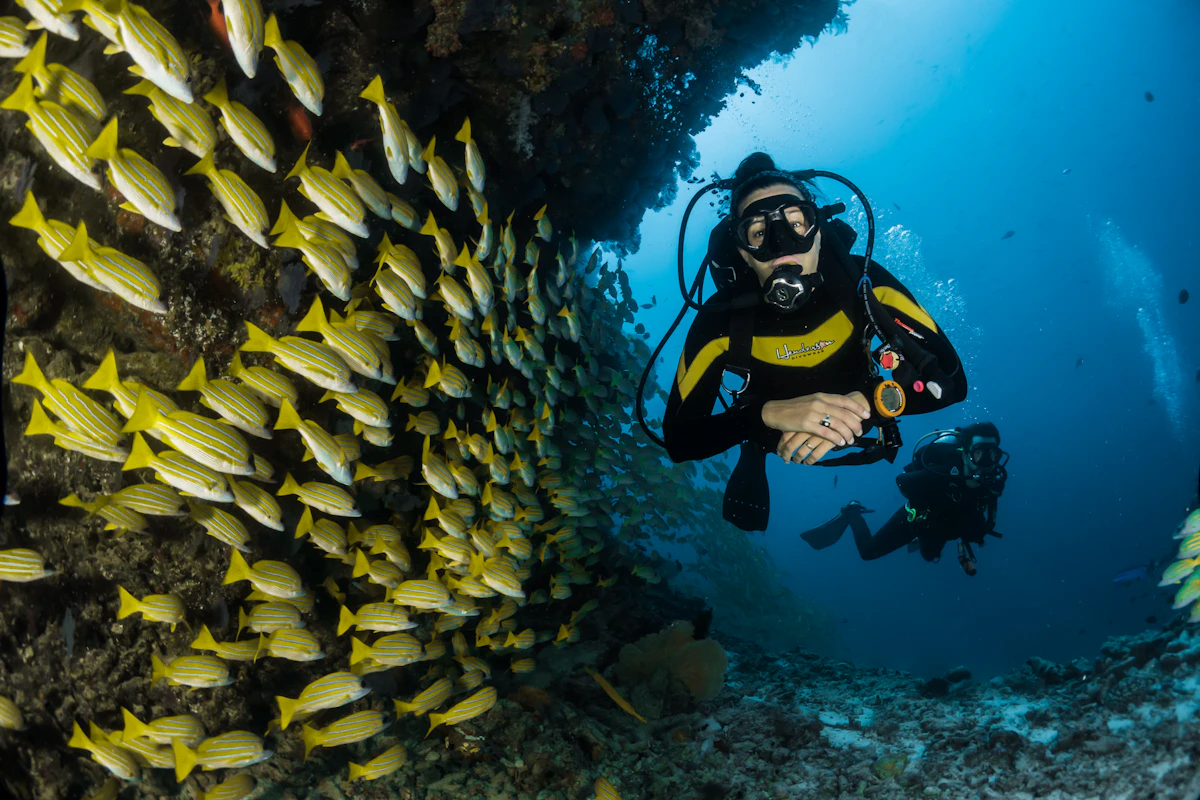 Credit: Unsplash
Palm trees framing a sunset shore
The shoreline is yours most days. A handful of fishing boats bob offshore, their hulls creaking against the swell, but foot traffic is rare. Driftwood logs, bleached pale by sun and brine, litter the upper beach, and tide pools teem with urchins and anemones. The water is bracing year-round—even in August, it rarely climbs above fifteen degrees Celsius—but locals wade in for quick swims, emerging pink-cheeked and breathless.
Koetoi exists in the margins, a place where infrastructure yields to raw geography. No lifeguards, no vendors, no signage directing you toward the "best" vantage point. Just the rhythmic crash of waves, the cry of oystercatchers, and the knowledge that Sakhalin Island floats somewhere beyond the horizon, invisible but close enough to feel.


