
Counting the waves…
Counting the waves…
A refined fusion of water purity, environmental stability, and communal vibrancy for Tomogashima View Beach.
View MethodologyAnalyzed via live sensors and environmental data.
Wave height, wind, and atmospheric stability.
Live footfall and crowd balance metrics.
Community reviews and curated sentiment.
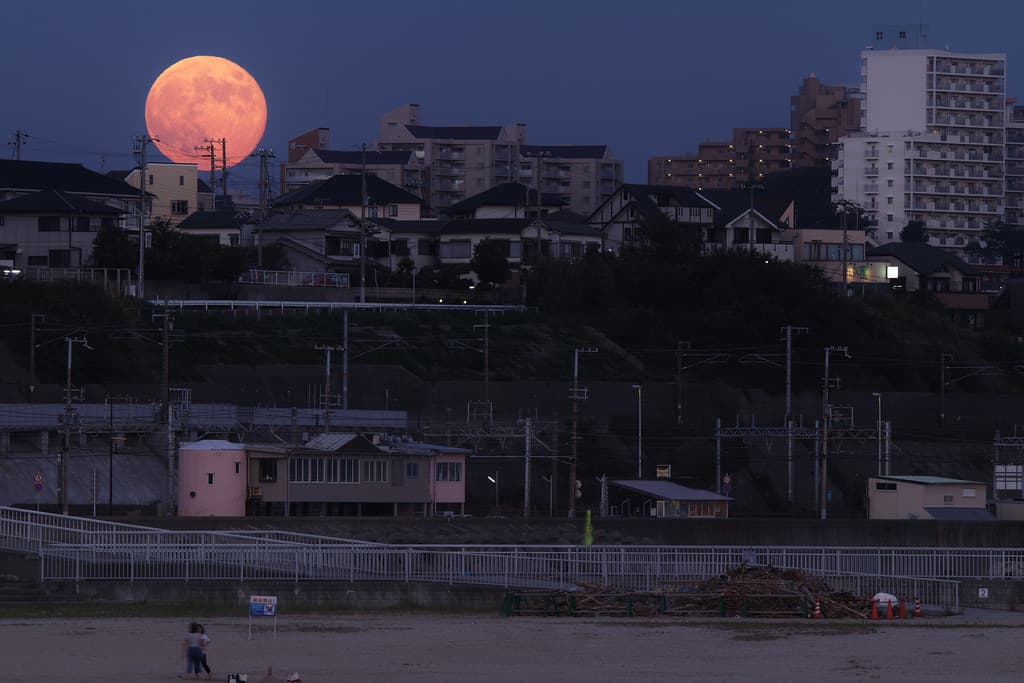
“You'll navigate dark boulders rather than spread a towel on sand. The draw here is the view—Tomogashima's silhouette rising from the bay, best captured during the golden hour when light ignites the strait.”
Limited recent visitor reports — live OBI telemetry is your best guide for current conditions.
The rocks here are jagged remnants of ancient volcanic activity, dark and angular, warmed by sun and slippery with spray. You'll pick your way across them carefully, finding perches that offer views across the strait toward Tomogashima—the fortress island whose abandoned military installations draw urban explorers and history enthusiasts. From this vantage, the island appears mysterious and inviting, its forested profile marked by the concrete remnants just visible to those who know where to look.
This isn't a swimming beach, though locals occasionally wade between the rocks during calm conditions. It's a viewing platform, a photographic vantage point, a place to sit and watch ferries crossing between Awaji and the Wakayama coast. The rocks retain heat long after sunset, radiating warmth as the sky performs its evening color show. You'll notice how the changing light transforms Tomogashima from solid landmass to layered silhouette, each ridge distinct against the graduated tones of dusk.
Crashing wave at sunset on the shoreline
Tropical beach hammock between palms
Tomogashima silhouettes at sunset
Volcanic boulder exploration
Evening light on strait
Prime Visitation
Less Crowds
Where it is
Tomogashima View Beach
Awaji, Hyogo, Japan
34.571100°, 135.009400°
Weather
Loading…
Swell
—
Temp
Warm · Restorative
UV Index
Moderate
Wind
—
Tidal State
Last known
Max Sunlight
—
Ideal Shade
—
May - Sep (Peak)
Jan - Dec (Off-season)
Historical data suggests peak visibility and stable sea temperatures occur during the prime visitation window.
Select a category to load nearby places.
Unlock restaurants, luxury stays and curated maritime experiences within 2km
Tomogashima View Beach is primarily a rocky shoreline best suited for scenic viewing rather than swimming. The rocky terrain makes water entry difficult and potentially hazardous. Visitors come here mainly for photography, sunset watching, and coastal walks rather than swimming activities. If you're seeking a swimming beach, consider nearby sandy beaches instead. The area can be slippery when wet, so wear appropriate footwear. The beach's value lies in its dramatic coastal scenery and peaceful atmosphere rather than water recreation.
Sunset hours provide the most stunning photographic opportunities at Tomogashima View Beach, when warm light illuminates the rocky coastline and creates dramatic silhouettes. Golden hour, roughly an hour before sunset, offers ideal lighting conditions. Visiting during less crowded periods, particularly weekday afternoons in spring or autumn, ensures peaceful shooting conditions and comfortable temperatures. Clear days provide the best visibility across Osaka Bay. Early morning can also offer beautiful light, though sunset is the signature experience. Check sunset times seasonally to plan your visit accordingly.
Access to Tomogashima View Beach requires crossing to Awaji Island via the Akashi Kaikyo Bridge, approximately 60-90 minutes by car from Osaka or Kobe. Follow Route 28 along the eastern coast of Awaji Island. Highway buses run from major cities to Awaji, but reaching this specific beach may require a taxi or rental car from the nearest bus stop. A personal vehicle is strongly recommended due to limited public transportation in the area. Parking availability varies, and the exact access point may require local navigation.
Being a hidden, less-developed location, Tomogashima View Beach has minimal on-site facilities. Visitors should plan to find dining options in nearby Awaji town or other populated areas along the coast, where seafood restaurants and local eateries are available. Bring your own refreshments if planning an extended visit. Accommodation options include guesthouses, business hotels, and traditional inns in Awaji town and surrounding communities. Some visitors base themselves in larger towns like Sumoto and make day trips to various coastal spots.
The rocky shoreline creates dramatic, photogenic compositions that stand out from typical sandy beach scenes. Unique rock formations, tidal pools, and the contrast between dark rocks and blue water provide compelling visual elements. Sunset shots with silhouetted rocks and colorful skies are particularly popular. The less-crowded nature means photographers can capture pristine scenes without other tourists in frame. The name itself suggests views toward or of Tomogashima, adding geographical interest. The hidden, off-the-beaten-path quality appeals to travelers seeking distinctive content.
Photos