

You arrive in late afternoon when the angle of the sun transforms the coastline into layers of diminishing blue, each wave crest catching light before dissolving into shadow. The beach itself curves gently, bordered by low dunes where beach grass grows in clumps, roots holding the sand against winter storms. A wooden observation deck occupies the southern end, weathered gray by salt air and offering a slightly elevated vantage point.
“This beach functions primarily as theater, its value measured in sunsets and coastal vistas rather than recreational swimming.”
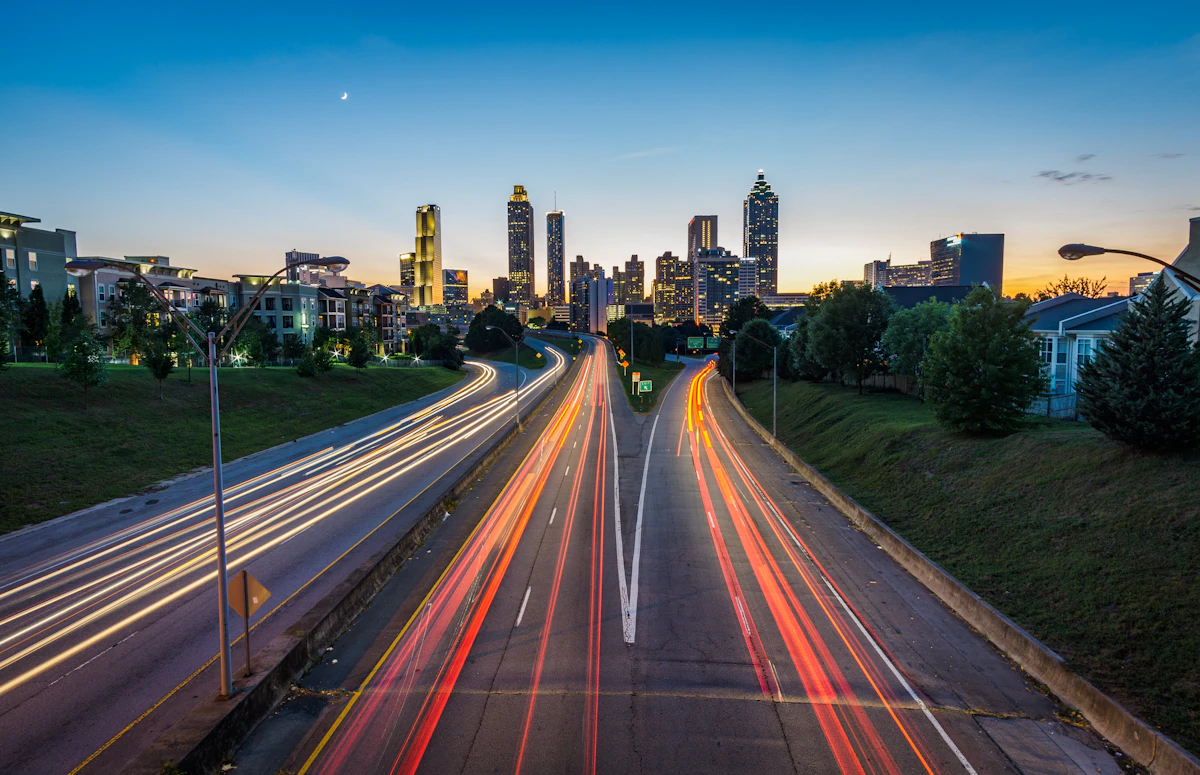 Credit: Unsplash
Sunset reflecting on wet sand
Couples claim spots on blankets spread near the dune line, opening thermoses of tea and bags of sembei crackers while waiting for the sunset. The scene unfolds slowly—the sea darkening from turquoise to indigo, fishing boats returning to port leaving white trails, the first stars appearing over the peninsula. You hear waves and occasional conversation, but mostly people watch in silence, cameras ready but often forgotten in the actual presence of the changing sky.
The water remains shallow far from shore, the bottom visible through the clear depth, but swimming takes a backseat to the visual experience. This beach rewards patience: arriving early means watching the transformation from afternoon brightness to evening drama, the clouds igniting in orange and magenta before fading to ash. Behind you, lights begin appearing in the hillside neighborhoods, tiny domestic beacons competing with the natural spectacle.


