
Counting the waves…
Counting the waves…
A refined fusion of water purity, environmental stability, and communal vibrancy for Kuroshima Beach.
View MethodologyAnalyzed via live sensors and environmental data.
Wave height, wind, and atmospheric stability.
Live footfall and crowd balance metrics.
Community reviews and curated sentiment.
“The preserved streets of the historic Kuroshima district end just meters from the beach, where traditional architecture gives way to windswept shore. You'll feel the tension between cultural heritage and natural forces,…”
Limited recent visitor reports — live OBI telemetry is your best guide for current conditions.
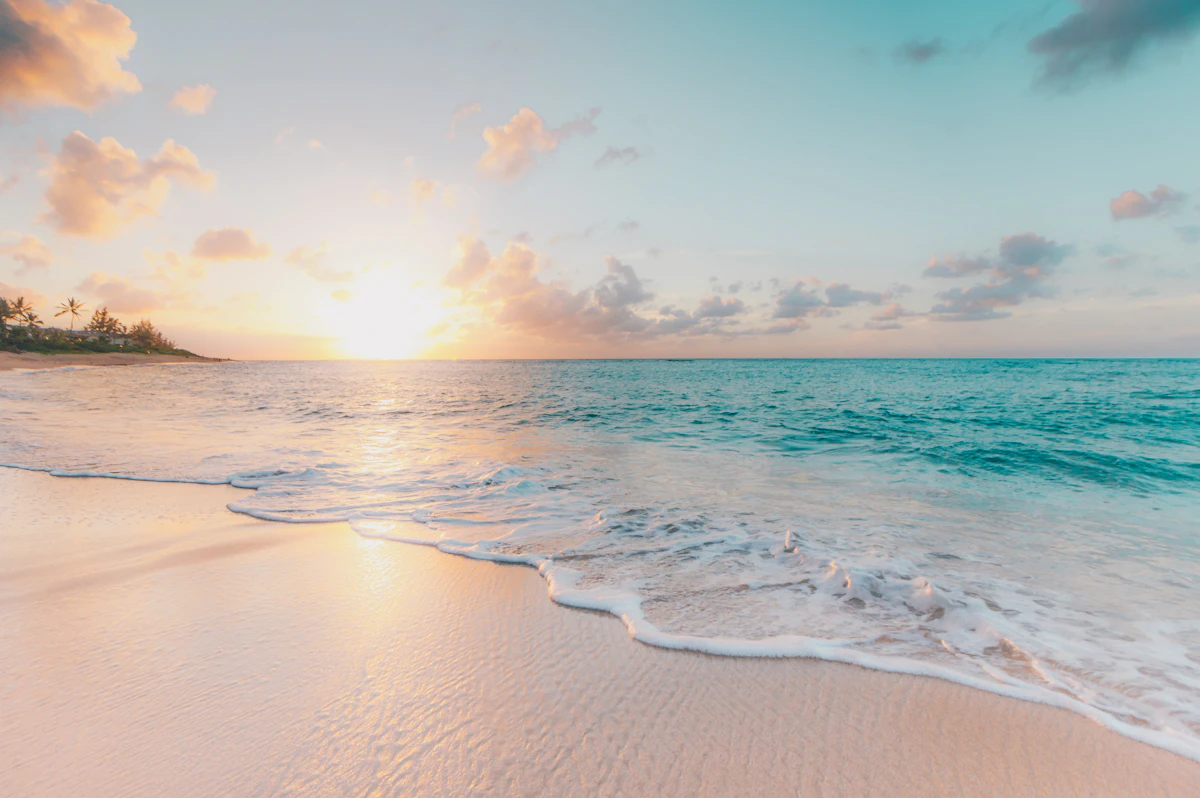
Kuroshima Beach sits at the edge of one of Noto's best-preserved merchant quarters, where buildings from the Edo period still line narrow lanes. You'll walk past latticed facades and traditional gardens before the pavement ends and sand begins, an abrupt transition that nonetheless feels organic. The beach itself curves gently, bordered on one end by a stone breakwater and on the other by wild headland. The sand is medium-grain, mixed with small pebbles that shift and click beneath the water's movement.
The atmosphere here carries a stillness unusual even by rural Japanese standards. Elderly residents tend small vegetable plots near the beach access, working in that unhurried way that suggests generations of continuity. The water laps rather than crashes, the seafloor sloping so gradually that standing waist-deep requires walking out thirty meters or more. Fishing nets dry on wooden frames near the breakwater, their geometric shadows stretching across the sand at low tide.
Person walking on a sand spit
Aerial view of turquoise tropical bay
Edo-period merchant houses nearby
Traditional buildings meet coastline
Shallow, calm protected waters
Prime Visitation
Less Crowds
Where it is
Kuroshima Beach
Wajima, Ishikawa, Japan
37.453200°, 136.882700°
Weather
Loading…
Swell
—
Temp
Warm · Restorative
UV Index
Moderate
Wind
—
Tidal State
Last known
Max Sunlight
—
Ideal Shade
—
May - Sep (Peak)
Jan - Dec (Off-season)
Historical data suggests peak visibility and stable sea temperatures occur during the prime visitation window.
Select a category to load nearby places.
Unlock restaurants, luxury stays and curated maritime experiences within 2km
Swimming conditions at Kuroshima Beach vary with weather and season. The beach faces the outer Sea of Japan, which can experience strong currents and waves, particularly during autumn and winter. Summer months typically offer calmer conditions. There are limited lifeguard services at this quiet beach, so swimmers should exercise caution and check local conditions before entering the water. The tranquil setting shouldn't be confused with guaranteed safe swimming—always assess wave conditions and stay near shore if you're unfamiliar with the area.
The best time to visit Kuroshima Beach is during late spring through early autumn (May to September) for pleasant weather and calmer seas. However, this beach is noted for fewer crowds, making shoulder seasons particularly appealing for peaceful visits. Summer weekends may see more visitors, but the beach rarely feels crowded compared to urban coastal areas. Winter visits are possible for dramatic coastal scenery, though swimming isn't advisable. Early morning or late afternoon visits offer the most serene atmosphere for exploring the historic district nearby.
Kuroshima Beach is located in Wajima on the Noto Peninsula's western coast. The most practical way to reach it is by car, as public transportation to this quieter area is limited. From Wajima city center, drive along the coastal roads following signs toward the Kuroshima area. The journey offers scenic coastal views. If relying on public transport, take a bus from Wajima Station toward the western coastal areas, though services may be infrequent. Renting a car in Kanazawa or Wajima provides the most flexibility for exploring this and other Noto Peninsula beaches.
Wajima city center, a short drive from Kuroshima Beach, offers the widest range of accommodation options including traditional ryokan inns, minshuku guesthouses, and hotels. The famous Wajima Morning Market provides excellent opportunities to sample local seafood and regional specialties. Near the beach itself, options are limited to small local establishments. Many visitors combine beach time with exploring Wajima's preserved historic districts and lacquerware shops. For dining, fresh seafood is the highlight, with restaurants serving local catches and Noto Peninsula specialties throughout Wajima town.
Kuroshima Beach's proximity to Wajima's preserved historic districts creates a unique combination of coastal beauty and cultural heritage. Unlike more developed beaches, it maintains a tranquil, undiscovered atmosphere despite being near a culturally significant town. The beach offers an authentic glimpse of traditional coastal Japan, where fishing culture and historic preservation meet natural beauty. Visitors can easily combine beach time with exploring Wajima's famous morning market, lacquerware workshops, and traditional architecture, making it ideal for travelers seeking both relaxation and cultural immersion in a quieter setting.
Photos