

The rocks beneath your boots are slick with spray, ridged like the spine of some prehistoric creature. At Noda Coast Beach, the Pacific doesn't lap—it hammers. Each wave arrives with the weight of open ocean behind it, carving tide pools into the basalt, polishing pebbles into smooth black ovals. Gulls wheel overhead, their cries sharp against the constant thunder of surf.
“This is the Sanriku coast at its most elemental, where volcanic geology creates a shoreline that refuses to compromise.”
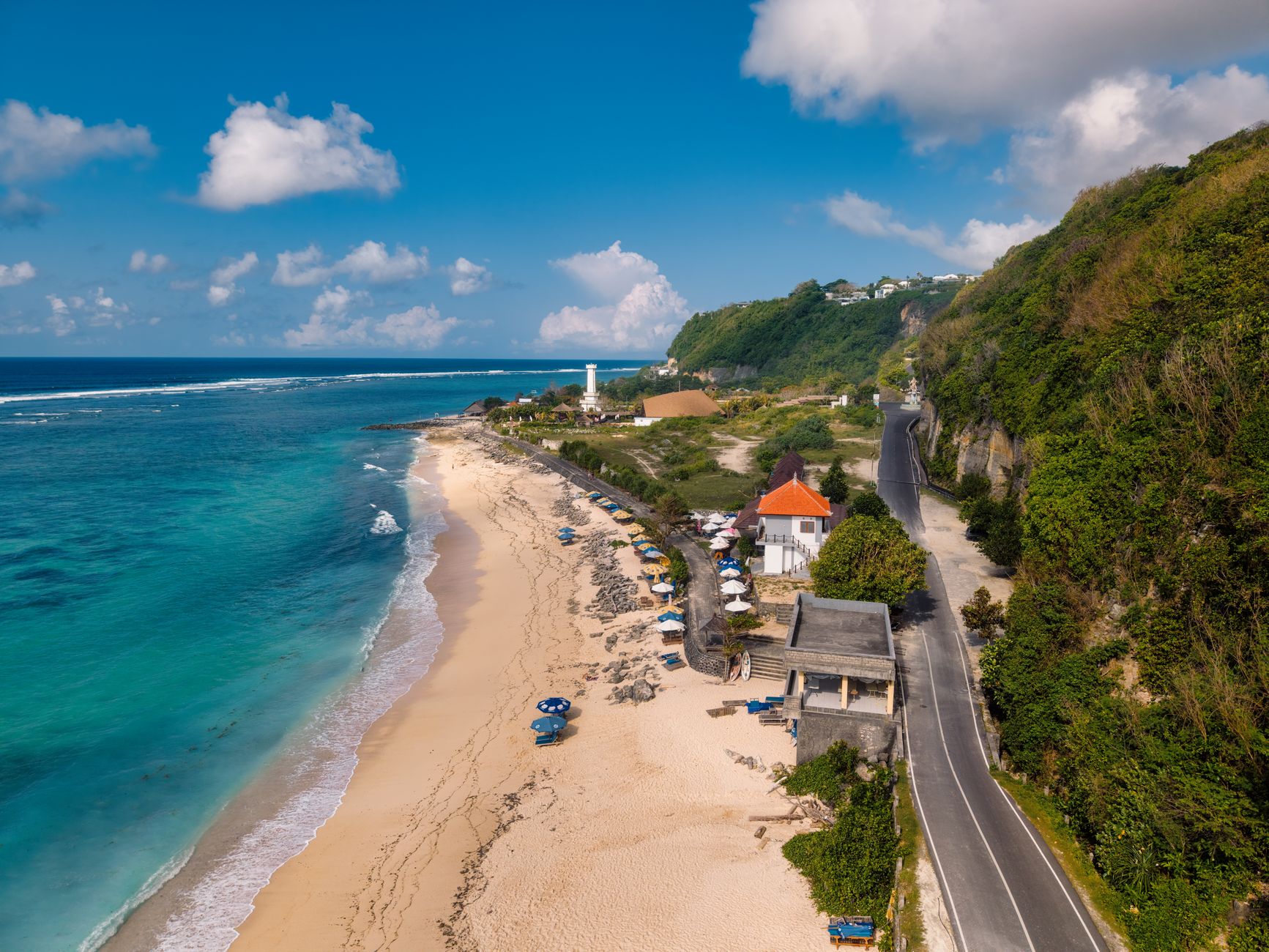 Credit: Pexels
Noda Coast Beach — photo by Tom Fisk
You'll find no gentle crescent of sand here, no palm-fringed shelter. Instead, jagged promontories jut into the sea, their edges softened only by blankets of green algae that glisten at low tide. The shore curves and folds, creating chambers where the ocean's voice echoes and amplifies. In winter, spray freezes into salt sculptures on the highest rocks.
Local fishermen navigate these waters in small boats painted red and blue, their hulls bobbing between swells. You'll watch them disappear behind rock towers, reappear closer to shore, their knowledge of currents and submerged reefs passed down through generations. This coastline has never been tamed, never been softened for visitors. It remains exactly what it's always been: Iwate's raw edge, where land concedes to sea.


