
Counting the waves…
Counting the waves…
A refined fusion of water purity, environmental stability, and communal vibrancy for Kirikiri Beach.
View MethodologyAnalyzed via live sensors and environmental data.
Wave height, wind, and atmospheric stability.
Live footfall and crowd balance metrics.
Community reviews and curated sentiment.
“The beach you see today is newer than most smartphones, reconstructed with raised seawalls and reinforced facilities after the tsunami erased what stood before. Yet the sand remains the same pale color, and children…”
Limited recent visitor reports — live OBI telemetry is your best guide for current conditions.
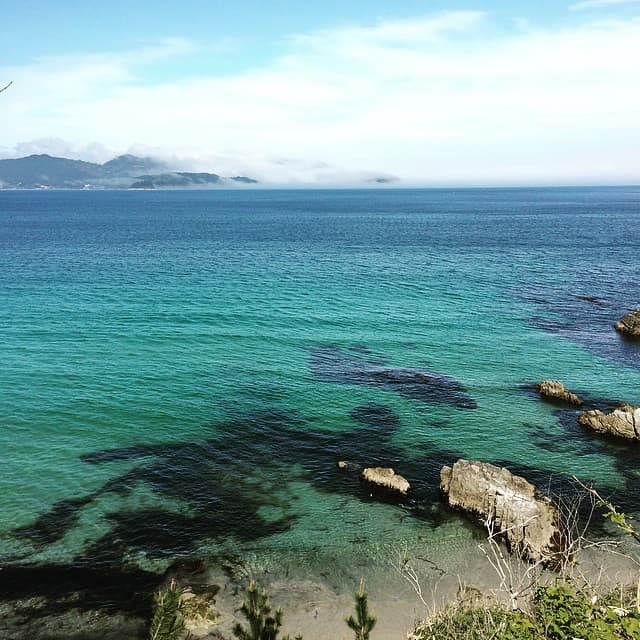
Kirikiri's renovation brought modern amenities that feel almost futuristic compared to other Sanriku beaches: heated changing rooms, wheelchair-accessible paths to the waterline, a covered pavilion with picnic tables. The beach stretches four hundred meters between concrete groins designed to prevent sand migration, and it works—the beach maintains consistent width year-round. In summer, lifeguards in red vests patrol designated swimming zones marked by floating buoys.
The sand is coarser than Funakoshi's, mixed with tiny shell fragments that crunch underfoot. It slopes into moderate surf, enough to body-surf small waves on good days but gentle enough for confident swimmers most of the time. Water temperature peaks at twenty-one degrees in August, cold enough to feel refreshing, warm enough that you'll stay in longer than you planned. Behind the beach, black pine saplings grow where mature forest once stood, planted in rows as part of coastal restoration. They're still too young to provide much shade, which means beach umbrellas dominate the summer landscape.
Tropical island lagoon from above
Crashing wave at sunset on the shoreline
Marked areas summer season supervision
Heated changing rooms picnic pavilions
Gentle waves good summer days
Prime Visitation
Best Weather
Where it is
Kirikiri Beach
Otsuchi, Iwate, Japan
39.365400°, 141.940600°
Weather
Loading…
Swell
—
Temp
Warm · Restorative
UV Index
Moderate
Wind
—
Tidal State
Last known
Max Sunlight
—
Ideal Shade
—
May - Sep (Peak)
Jan - Dec (Off-season)
Historical data suggests peak visibility and stable sea temperatures occur during the prime visitation window.
Select a category to load nearby places.
Unlock restaurants, luxury stays and curated maritime experiences within 2km
Kirikiri Beach is one of the more family-friendly and well-maintained beaches in the Otsuchi area, having been rebuilt after the 2011 tsunami. During summer season, the beach typically has lifeguards on duty and designated swimming areas. The sandy shoreline is gentler on feet than pebble beaches, making it suitable for children. However, always supervise children near water, check daily weather and wave conditions, and swim only in designated areas. The beach's popularity means better safety infrastructure compared to more remote coastal spots.
The best time to visit Kirikiri Beach is during the summer months from mid-July through August when weather conditions are warmest and most suitable for swimming and sunbathing. This period offers the best beach weather with comfortable water temperatures and longer daylight hours. Beach facilities and lifeguard services are typically available during this peak season. Weekends can be busier as it's a popular local destination, so midweek visits may offer a slightly more relaxed experience while still enjoying full amenities and good weather.
Kirikiri Beach is located in Otsuchi town, Iwate Prefecture. Access is typically via the coastal route from larger towns like Kamaishi or Miyako. Local buses run to Otsuchi, and from the town center, Kirikiri Beach is accessible by local bus or taxi. If driving, the beach has parking facilities, especially important during summer season. The Sanriku Coast railway also serves the region, though you may need connecting transport. Check current schedules as coastal transport rebuilt after 2011 continues to develop.
As a popular rebuilt beach, Kirikiri Beach offers seasonal beach facilities including food vendors and rest areas during summer months. The nearby Otsuchi town provides restaurants featuring fresh local seafood, convenience stores, and small eateries. Accommodation options include minshuku, small hotels, and guesthouses in Otsuchi and surrounding areas. Some facilities specifically cater to beach visitors during peak season. For the widest selection, staying in Otsuchi town center provides easy beach access while offering full amenities for dining and lodging.
Kirikiri Beach is notable as a symbol of resilience and reconstruction, having been carefully rebuilt after the 2011 tsunami with improved facilities and safety features. Its sandy shoreline makes it particularly family-friendly and ideal for sunbathing compared to the region's many pebble beaches. The beach represents community recovery efforts and offers modern amenities while maintaining natural beauty. Its popularity reflects both its quality as a swimming destination and its significance to the local community, making it a meaningful place to visit along the Sanriku Coast.
Photos