

Central Park Beach erases the boundary between recreational facility and natural coastline. You walk through maintained grounds—trimmed grass, paved paths, geometric flower beds—then step directly onto sand without transition. Behind you, children pump their legs on swings, their laughter mixing with seagull calls. Ahead, the Sea of Japan rolls in with steady rhythm, indifferent to the human infrastructure at its edge.
“The seamless park-to-beach transition lets families enjoy playground amenities and ocean access simultaneously, without choosing between them.”
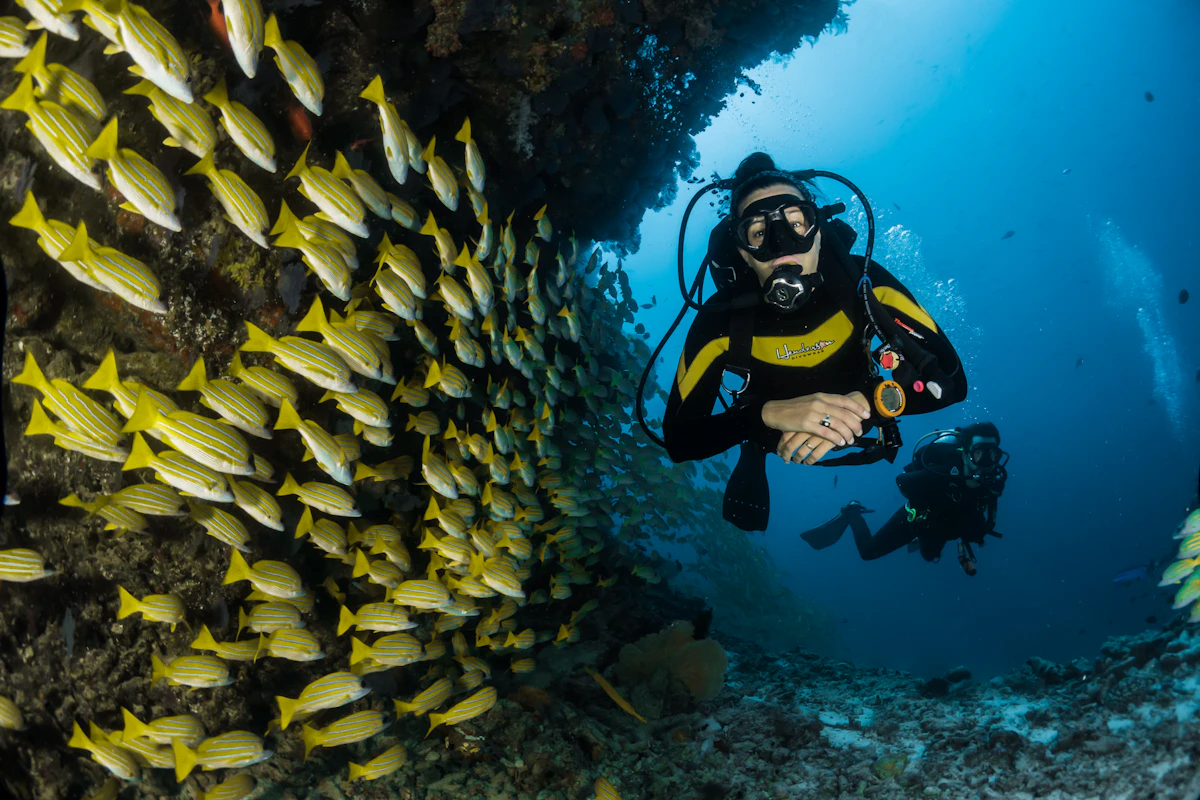 Credit: Unsplash
Palm trees framing a sunset shore
Families colonize the space between park and water, creating hybrid camps. Beach umbrellas stake sand while coolers rest on grass. You watch parents shuttle between playground equipment and swimming children, managing both environments simultaneously. The park's amenities—clean bathrooms, covered pavilions, drinking fountains—elevate the beach experience from rustic to comfortable. Elderly couples claim benches in the shade, watching grandchildren play rather than participating directly.
The engineered convenience doesn't diminish the ocean's presence. Salt air still fills your lungs, waves still crash with ancient persistence, and the horizon still stretches infinite and blue. As afternoon softens toward evening, you notice how the park's careful landscaping frames the sea rather than competing with it. The sunset performs the same whether you're sitting on grass or sand, and the tide respects no boundary between wild and maintained.


