

Counting the waves…
Counting the waves…
A refined fusion of water purity, environmental stability, and communal vibrancy for Shibukawa Beach.
View MethodologyAnalyzed via live sensors and environmental data.
Wave height, wind, and atmospheric stability.
Live footfall and crowd balance metrics.
Community reviews and curated sentiment.
“Shibukawa Beach stands as Okayama's most celebrated coastal stretch, a broad canvas of golden sand meeting the Seto Inland Sea. Here, the air hums with a lively energy, drawing crowds to its generous shores. Feel the…”
Limited recent visitor reports — live OBI telemetry is your best guide for current conditions.
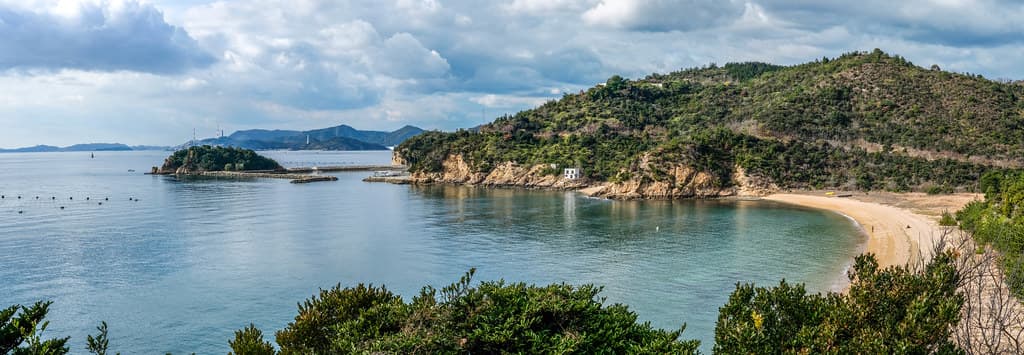
As Okayama Prefecture's largest and most recognized beach, Shibukawa Beach is a destination in itself. Its wide, sandy expanse invites visitors to spread out, offering ample room for sunbathers, sandcastle builders, and those simply seeking the warmth of the sun on their skin. The beach's reputation precedes it, drawing families and friends to its vibrant shores, especially during warmer months.
The calm, clear waters of the Seto Inland Sea lap gently against the sand, creating an ideal environment for swimming and wading. The absence of strong currents makes it particularly appealing for families with young children, who can splash and play in safety. Beyond the immediate water's edge, the gentle slope of the seabed ensures a comfortable entry into the refreshing embrace of the sea.
Sunset reflecting on wet sand
Person walking on a sand spit
Expansive sandy shores
Calm, clear waters
Safe, shallow entry
Prime Visitation
Best Weather
Where it is
Shibukawa Beach
Tamano, Okayama Prefecture, Japan
34.460486°, 133.937472°
Weather
Loading…
Swell
—
Temp
Warm · Restorative
UV Index
Moderate
Wind
—
Tidal State
Last known
Max Sunlight
—
Ideal Shade
—
May - Sep (Peak)
Jan - Dec (Off-season)
Historical data suggests peak visibility and stable sea temperatures occur during the prime visitation window.
Select a category to load nearby places.
Unlock restaurants, luxury stays and curated maritime experiences within 2km
Shibukawa Beach is generally safe for swimming during the designated season, with lifeguards on duty during peak summer months. The beach features gentle waves and gradual slopes, making it suitable for families with children. Facilities include changing rooms, showers, restrooms, and rental services for beach equipment. Swimming areas are marked, and safety flags indicate conditions. As with any beach, supervise children closely and follow posted warnings about jellyfish or weather conditions.
The official swimming season runs from early July through late August, offering the warmest water temperatures and full facilities. This period also provides the best weather with sunny skies and calm seas. July and August are busiest, especially during Japanese holidays like Obon in mid-August. For fewer crowds while still enjoying good weather, visit during weekdays in early July or late August. Spring and autumn offer scenic views but cooler water unsuitable for swimming.
From Okayama City, take the JR Uno Line to Shibukawa Station (approximately 50 minutes), then walk about 10 minutes to the beach. From Osaka or other Kansai cities, take the Shinkansen to Okayama Station first, then transfer to the local line. By car, the beach is accessible via Route 30, with parking lots available near the beach entrance. During summer weekends, parking fills quickly, so arriving early or using public transportation is recommended.
Several beach houses and small restaurants operate along the beachfront during summer, serving traditional Japanese beach fare, shaved ice, and local seafood. The nearby Tamano area offers restaurants featuring Okayama specialties and fresh catches from the Seto Inland Sea. Accommodation options include hotels and ryokan in Tamano city, about 10-15 minutes away. For more variety, Okayama City offers extensive dining and lodging choices. Consider booking accommodations in advance during peak summer season.
As Okayama Prefecture's largest and most famous beach, Shibukawa stretches approximately one kilometer and offers stunning views across the Seto Inland Sea. The beach is known for its beautiful sunsets and the distinctive white sand contrasting with pine trees. Its proximity to the art islands of Naoshima and Teshima makes it popular with cultural tourists. The beach combines excellent facilities with natural beauty, earning recognition as one of Japan's top bathing beaches and attracting visitors throughout the region.
Photos