Counting the waves…
Counting the waves…
A refined fusion of water purity, environmental stability, and communal vibrancy for West Pier Beach.
View MethodologyAnalyzed via live sensors and environmental data.
Wave height, wind, and atmospheric stability.
Live footfall and crowd balance metrics.
Community reviews and curated sentiment.
“Imagine a soft, pale sand stretching towards a wooden pier, where the day's last light performs a spectacular show. This isn't just a beach; it's a front-row seat to nature's nightly masterpiece, a quiet retreat where…”
Limited recent visitor reports — live OBI telemetry is your best guide for current conditions.
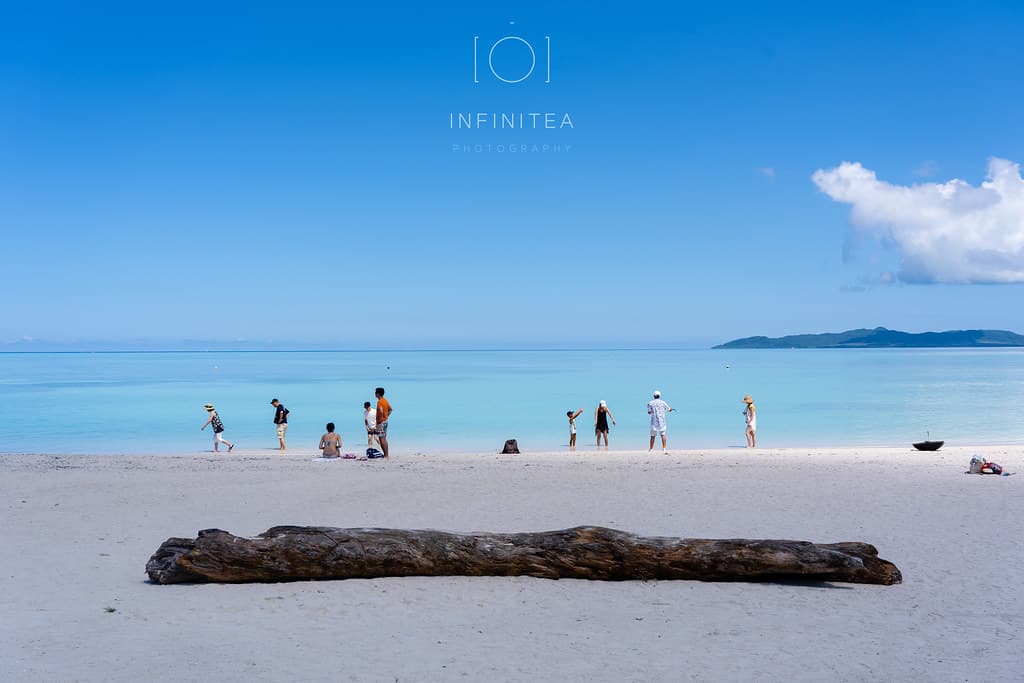
On Taketomi Island, West Pier Beach offers a serene escape, particularly as dusk approaches. The fine, white sand invites bare feet, leading you towards the iconic wooden pier that juts into the calm, turquoise water. Here, the true magic unfolds with the setting sun, transforming the sky into an artist's palette of oranges, purples, and deep reds.
Position yourself on the pier or along the shore, and watch as the sun slowly descends, casting long shadows and a golden glow across the water. The air cools, carrying the faint scent of salt and the day's warmth. It’s a moment of profound tranquility, a chance to disconnect and simply absorb the raw beauty of the Okinawan landscape.
 Credit: Unsplash
blue wooden dock on blue sea under blue sky during daytime
 Credit: Unsplash
brown wooden dock on sea during daytime
Golden hour photography
Walk the wooden planks
Unwind on soft sand
Prime Visitation
Less Crowds
Where it is
West Pier Beach
Taketomi, Okinawa, Japan
24.330800°, 124.083700°
Weather
Loading…
Swell
—
Temp
Warm · Restorative
UV Index
Moderate
Wind
—
Tidal State
Last known
Max Sunlight
—
Ideal Shade
—
May - Sep (Peak)
Jan - Dec (Off-season)
Historical data suggests peak visibility and stable sea temperatures occur during the prime visitation window.
Select a category to load nearby places.
Unlock restaurants, luxury stays and curated maritime experiences within 2km
Swimming conditions at West Pier Beach vary with tides and currents. The beach is primarily known for its pier and sunset views rather than swimming. Strong currents can occur around pier structures, so exercise caution if entering the water. Check local conditions before swimming and be aware that facilities may be limited. The sandy bottom is generally gentle, but always supervise children closely and avoid swimming alone at this relatively quiet location.
The best time to visit West Pier Beach is during late afternoon to catch the spectacular sunset views from the pier, which is the beach's main attraction. Visit during weekdays or off-peak seasons for fewer crowds. The dry season from October to April offers more reliable weather and clearer skies for sunset photography. Summer months can be hot and humid with occasional typhoons, so spring and autumn provide the most comfortable conditions.
Reach Taketomi Island by taking a 10-15 minute ferry from Ishigaki Island's Ritou Terminal. Ferries run frequently throughout the day. Once on Taketomi, the island is small enough to explore by bicycle, which you can rent near the ferry port. West Pier Beach is accessible by bike or on foot. Some visitors also use water buffalo cart tours, though these focus mainly on the village area. The island has no cars for tourists.
Taketomi Island has limited dining and accommodation options concentrated in the traditional village area. Several small guesthouses and a few restaurants serve local Okinawan cuisine, but choices are modest. Most visitors stay on nearby Ishigaki Island, which offers extensive hotels and dining, then day-trip to Taketomi. Book accommodation in advance during peak seasons. Bring water and snacks to the beach as facilities directly at West Pier Beach are minimal.
West Pier Beach's pier extends into the ocean, providing an elevated, unobstructed vantage point for sunset photography over the East China Sea. The wooden pier structure creates dramatic silhouettes against the colorful sky, and the western orientation offers direct sunset views. The quiet, uncommercialised setting enhances the experience compared to busier beaches. The combination of traditional pier architecture and natural beauty makes it particularly photogenic, attracting photographers seeking authentic Okinawan coastal scenery without crowds.
Photos