Counting the waves…
Counting the waves…
A refined fusion of water purity, environmental stability, and communal vibrancy for Kawasoe Coast.
View MethodologyAnalyzed via live sensors and environmental data.
Wave height, wind, and atmospheric stability.
Live footfall and crowd balance metrics.
Community reviews and curated sentiment.
“Witness the dramatic expanse of the Kawasoe Coast, a mudflat landscape that transforms with every tide. Here, the earth breathes, revealing intricate patterns and reflecting the sky in a breathtaking display, especially…”
Limited recent visitor reports — live OBI telemetry is your best guide for current conditions.
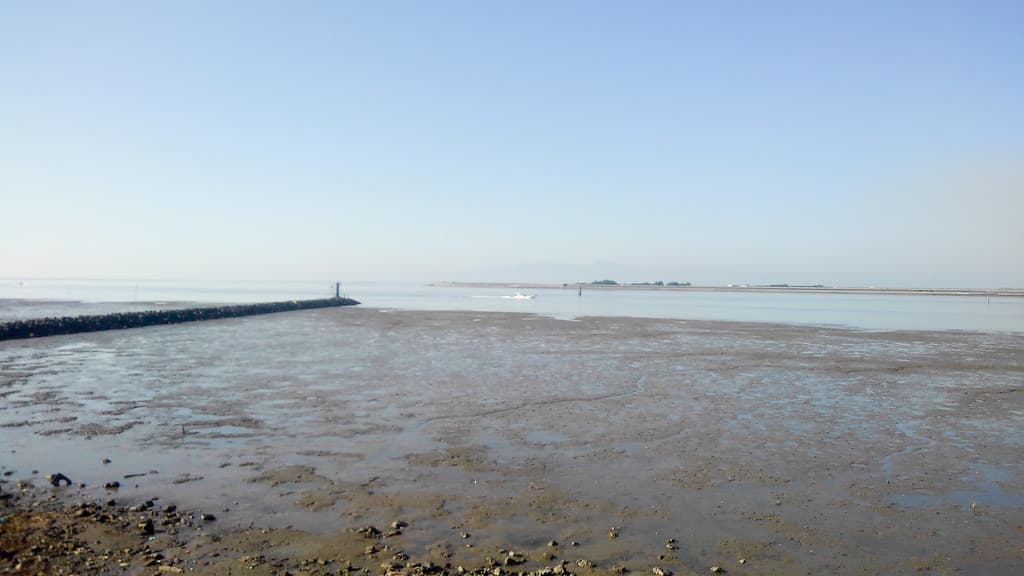
The Kawasoe Coast isn't your typical sandy beach; it's a dynamic mudflat, a living canvas that stretches for miles along the Saga coastline. When the tide recedes, the vast, slick surface of the mudflat is exposed, revealing a mesmerizing tapestry of ripples and textures. The air here is fresh, carrying the unique scent of the sea and the rich earth.
This expansive landscape is particularly captivating during sunset. The low sun casts long shadows and ignites the wet mud in fiery oranges, purples, and deep reds, creating a mirror-like effect that doubles the sky's splendor. It's a photographer's dream, offering endless opportunities to capture the interplay of light, water, and earth.
a view of a beach with a boat in the water
a stone sculpture of a face on a beach
Capture dramatic skies
Explore tidal patterns
Spot migratory species
Prime Visitation
Best Weather|Less Crowds
Where it is
Kawasoe Coast
Saga, Saga Prefecture, Japan
33.192800°, 130.304100°
Weather
Loading…
Swell
—
Temp
Warm · Restorative
UV Index
Moderate
Wind
—
Tidal State
Last known
Max Sunlight
—
Ideal Shade
—
May - Sep (Peak)
Jan - Dec (Off-season)
Best Weather|Less Crowds
Select a category to load nearby places.
Unlock restaurants, luxury stays and curated maritime experiences within 2km
Kawasoe Coast is a mudflat beach, which means it's not suitable for traditional swimming. During low tide, the water recedes dramatically, exposing vast expanses of mudflat. During high tide, the water returns but the muddy bottom and tidal nature of the Ariake Sea make swimming impractical. This coast is best appreciated for walking, observing tidal ecosystems, and enjoying scenic views rather than water activities. Visitors interested in the unique mudflat environment should plan their visit around tide schedules.
Kawasoe Coast is best visited during good weather conditions with clear skies, particularly in spring and autumn when temperatures are comfortable. The coast offers beautiful sunset views, so late afternoon visits are rewarding. To fully appreciate the wide mudflat landscape, visit during low tide when the expansive flats are exposed. Weekdays tend to be quieter than weekends. Check tide tables before your visit to experience the dramatic tidal transformations that characterize the Ariake Sea coastline.
Kawasoe Coast is located in Saga city along the Ariake Sea. Access is easiest by car, driving south from central Saga toward the coastal areas. The journey is relatively short, typically 20-30 minutes depending on traffic and your exact starting point. Public transportation options to this specific coastal area may be limited, so verify local bus routes if not driving. Once in the coastal vicinity, follow signs toward Kawasoe or use GPS navigation to reach this scenic mudflat coastline.
Kawasoe Coast is near Saga city, which offers numerous dining and accommodation options. Local restaurants serve fresh Ariake Sea seafood and Saga regional specialties. Near the coast itself, options may be limited to small local eateries. For lodging, Saga city provides business hotels, traditional ryokan, and guesthouses at various price points. Staying in Saga city gives you access to amenities while keeping the coast within easy driving distance for sunset visits and coastal exploration.
Kawasoe Coast features the distinctive wide mudflat environment characteristic of the Ariake Sea, which has one of the largest tidal ranges in Japan. The dramatic tides create an ever-changing landscape where vast mudflats appear and disappear with the tide cycle. This ecosystem supports unique marine life and creates striking visual patterns in the mud. The mudflats offer excellent opportunities for nature observation and photography, particularly during golden hour when the setting sun illuminates the textured landscape and creates beautiful reflections in remaining water.
Photos