

Kipungani · Lamu County · Kenya
Kipungani Beach
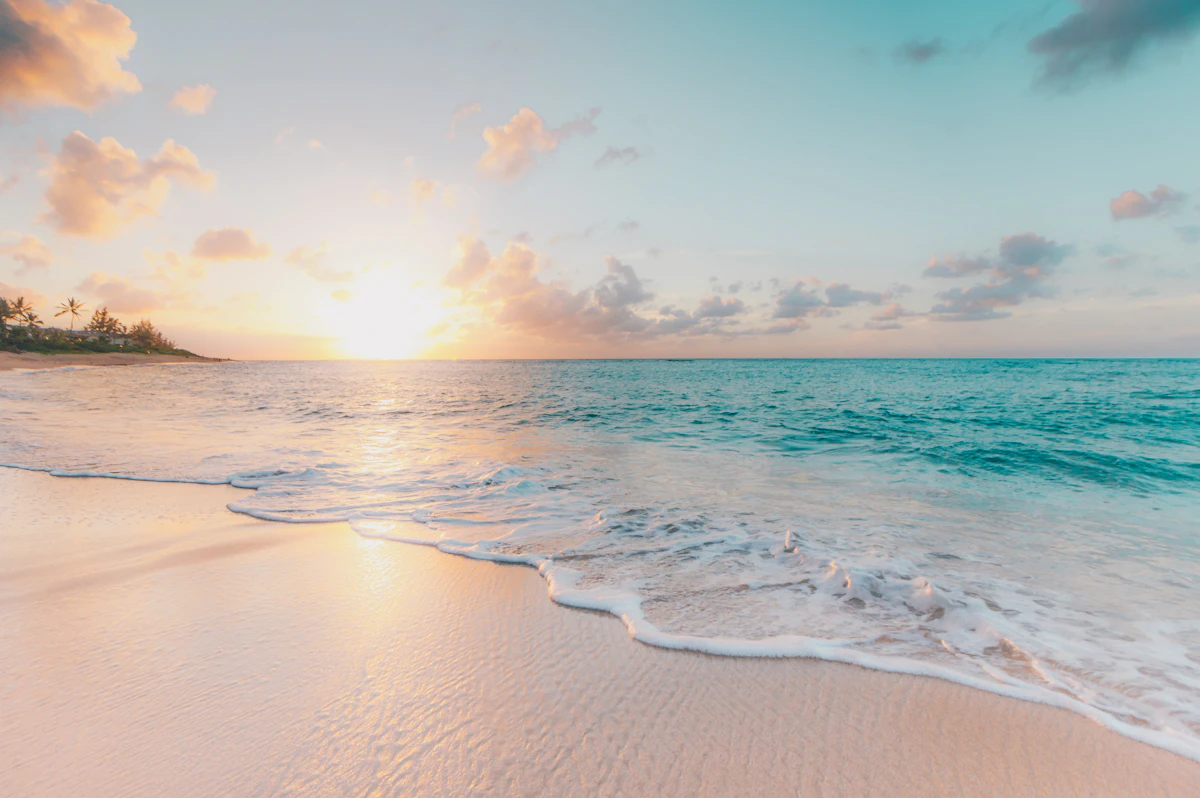
Tucked away at the southwestern edge of Lamu Island, Kipungani Beach offers a profound sense of seclusion, a world away from the island's more frequented spots. Here, the soft, pale sand meets the gentle Indian Ocean, framed by swaying palms and the quiet hum of village life. It’s a place where time seems to slow, inviting you to immerse yourself in the authentic charm of a historic Swahili settlement.
Reading live conditions…
Live from Open-Meteo · sea surface temperature and wave data modelled at 1-km grid resolution for Kipungani Beach. Numbers refresh at the hourly tick.
- Purity
- 0%
- Conditions
- 0%
- Crowd
- 0%
- Vibe
- 0%
The OnlyBeaches Index weighs four pillars against your chosen persona. Purity comes from water clarity and air-quality heuristics; Conditions from Open-Meteo waves, wind and temperatures; Crowd from historical patterns; Vibe from nearby events within 50 km. The score rebalances throughout the day.
Tucked away at the southwestern edge of Lamu Island, Kipungani Beach offers a profound sense of seclusion, a world away from the island's more frequented spots. Here, the soft, pale sand meets the gentle Indian Ocean, framed by swaying palms and the quiet hum of village life. It’s a place where time seems to slow, inviting you to immerse yourself in the authentic charm of a historic Swahili settlement.
Photos
8 captures from Kipungani Beach
About this beach
Where it is
Kipungani Beach
Kipungani, Lamu County, Kenya
-2.3372°, 40.8029°
Top things to do
At Kipungani Beach
Sunbathe
Secluded, soft sand
Village Walk
Explore Swahili culture
Sunset Views
Spectacular evening sky
Ocean Dip
Warm, clear water
Near this beach
Places, rentals, tours and events within walking and driving distance of Kipungani Beach.
Questions people actually ask about Kipungani Beach.
Is Kipungani Beach safe for families with children?
Kipungani Beach is generally safe for families, offering calm waters and gentle slopes ideal for children. The southwest location on Lamu Island provides some shelter from strong winds and currents. The beach's secluded nature means fewer crowds and a peaceful environment. However, there are no lifeguards, so adult supervision is essential. The historic Swahili village setting is culturally enriching for families. Check tide schedules as some areas become very shallow at low tide. Basic safety precautions and sun protection are important given the remote, low-key nature of facilities in the area.
What is the best time of year to visit Kipungani Beach?
The ideal time to visit Kipungani Beach is during the dry seasons: late December through March and July through October. These periods offer the best weather with sunny skies, minimal rainfall, and comfortable temperatures for beach activities and sunset watching. The shoulder months also provide fewer crowds, which suits the beach's secluded character. The Kaskazi season (December-March) tends to have calmer conditions perfect for swimming and sunbathing. Avoid the long rains (April-May) when heavy precipitation can limit beach enjoyment and accessibility around the historic village.