

Counting the waves…
Counting the waves…
A refined fusion of water purity, environmental stability, and communal vibrancy for Mtangawanda Beach.
View MethodologyAnalyzed via live sensors and environmental data.
Wave height, wind, and atmospheric stability.
Live footfall and crowd balance metrics.
Community reviews and curated sentiment.
“Discover Mtangawanda Beach, a charming, low-key sandy stretch on Pate Island, where the pace of life slows to the rhythm of the tides. This small settlement beach offers a genuine glimpse into local coastal culture,…”
Limited recent visitor reports — live OBI telemetry is your best guide for current conditions.
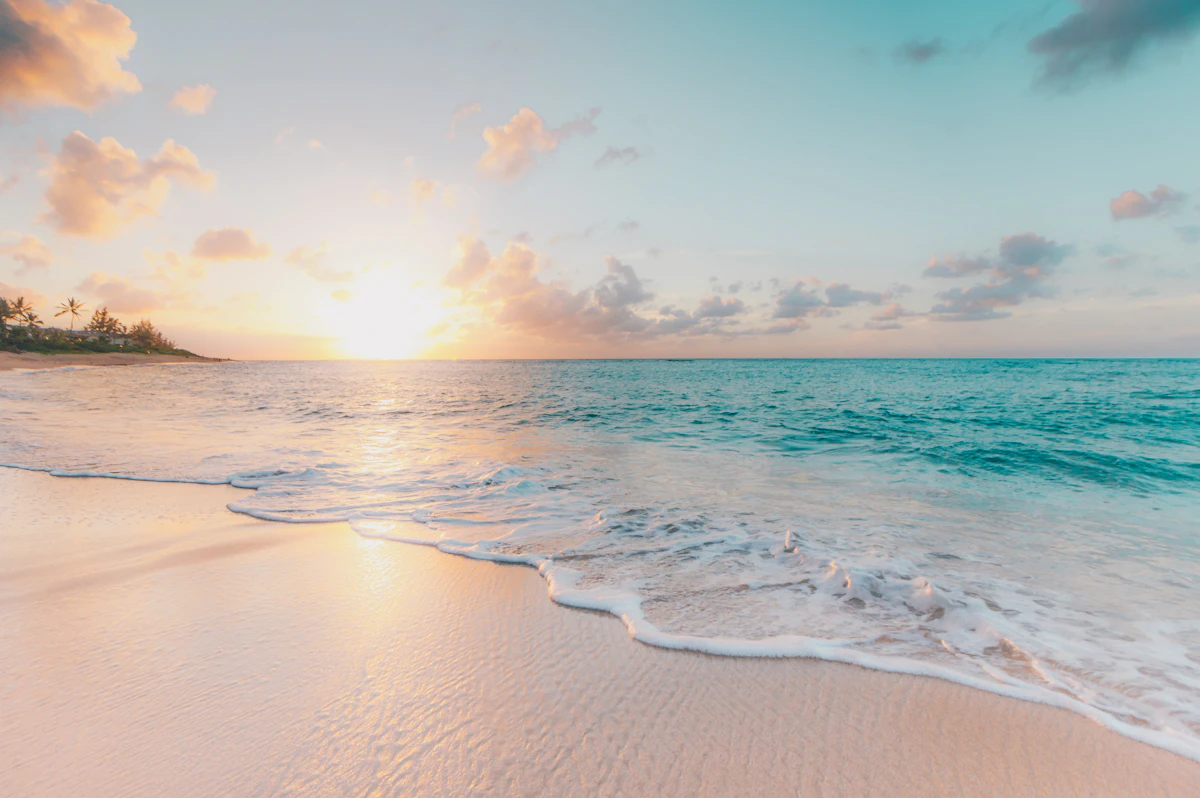
Mtangawanda Beach is a gentle curve of pale sand, nestled beside a small, vibrant settlement on Pate Island. Unlike the more frequented shores, this beach offers an intimate and authentic experience, where the daily lives of local fishermen and villagers unfold against a backdrop of swaying palms and the soft lapping of the Indian Ocean. It’s a place where you can truly feel the pulse of island life, unhurried and welcoming.
The sand here is soft underfoot, perfect for barefoot strolls, and the waters are typically calm, inviting a leisurely swim. What makes Mtangawanda special is its connection to the community; you'll see dhows pulled up on the sand, children playing, and locals going about their day. It’s not about luxury amenities, but about genuine human connection and the simple pleasures of a beautiful, unpretentious beach.
Refreshing swim in calm waters
Stroll along the quiet shore
Observe local culture
Prime Visitation
Less Crowds|Budget Travel
Where it is
Mtangawanda Beach
Mtangawanda, Lamu County, Kenya
-2.051700°, 41.092700°
Weather
Loading…
Swell
—
Temp
Warm · Restorative
UV Index
Moderate
Wind
—
Tidal State
Last known
Max Sunlight
—
Ideal Shade
—
May - Sep (Peak)
Jan - Dec (Off-season)
Less Crowds|Budget Travel
Select a category to load nearby places.
Unlock restaurants, luxury stays and curated maritime experiences within 2km
Swimming at Mtangawanda Beach is generally safe during high tide when water depth is adequate, though conditions vary with tidal cycles typical of the Lamu Archipelago. There are no lifeguards or safety infrastructure, so exercise caution and swim with companions. Ask local residents about current and tide patterns before entering the water. The beach serves a small local community, so observe cultural norms regarding beachwear. Coral and sea urchins may be present in shallow areas, so protective footwear is advisable.
Visit Mtangawanda Beach during Kenya's dry seasons, particularly July through October or January through March, when boat travel is most reliable and weather conditions are ideal. As a less-crowded destination, you'll find solitude during any season, though the long rains of April-May can complicate boat access. Budget travelers may find better deals on boat charters during shoulder months. Early morning or late afternoon visits offer softer light and cooler temperatures. Cultural festivals in the archipelago occasionally provide added interest.
Mtangawanda Beach is accessible only by boat from Lamu Town or other Lamu Archipelago points, as Pate Island lacks an airstrip or vehicle roads. Hire a dhow or motorized boat through operators in Lamu; journey times vary from 2-4 hours depending on departure location and vessel speed. The settlement is small, so communicate your exact destination clearly to boat operators. Costs are negotiable but expect to pay for a full charter. Arrange return transport in advance, as spontaneous boat departures are uncommon.
Mtangawanda is a small settlement with very basic infrastructure and no formal tourist accommodation or restaurants. Visitors typically stay in Lamu Town and visit as day-trippers, bringing their own food and water. In rare cases, local families may offer informal homestay arrangements if contacted through guides beforehand. Do not expect shops, cafes, or guesthouses at the beach itself. If planning extended time on Pate Island, work with a reputable tour operator who can arrange meals and simple lodging through community connections.
Mtangawanda Beach offers an authentic glimpse into traditional Swahili coastal life far removed from the tourist infrastructure of Shela or Lamu Town. The beach serves a small, tight-knit community where daily rhythms revolve around fishing, boat-building, and subsistence activities rather than tourism. Its remoteness ensures a genuinely untouched atmosphere with minimal visitor impact. The beach represents the archipelago's quieter, less-documented settlements, providing cultural immersion and solitude. Visiting here supports detailed exploration beyond the typical resort zones and well-trodden routes.
Photos