
Counting the waves…
Counting the waves…
A refined fusion of water purity, environmental stability, and communal vibrancy for Rawaki Beach.
View MethodologyAnalyzed via live sensors and environmental data.
Wave height, wind, and atmospheric stability.
Live footfall and crowd balance metrics.
Community reviews and curated sentiment.
“Discover Rawaki Beach, a hidden stretch of untouched sand on a tiny, remote island. Here, the gentle lapping of the ocean is your soundtrack, and the vast expanse of the Pacific is your only view, promising unparalleled…”
Limited recent visitor reports — live OBI telemetry is your best guide for current conditions.
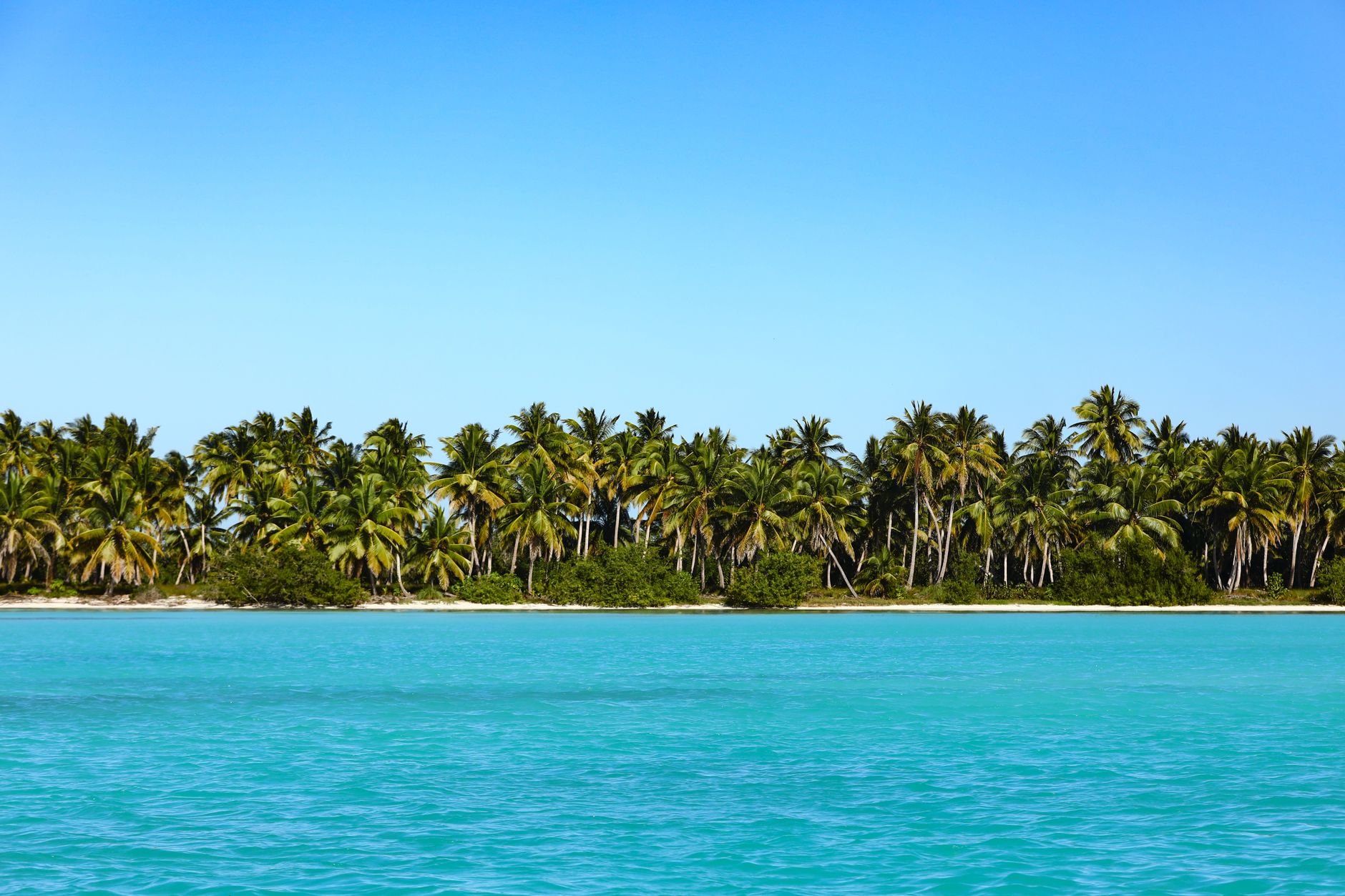
Rawaki Beach, located on the diminutive Rawaki Island, is the epitome of a hidden, untouched sandy haven. This small island, uninhabited and pristine, offers a beach experience unlike any other. The sand is a soft, fine coral, brilliant white against the deep blues of the surrounding ocean, inviting you to leave the first footprints of the day.
The island's compact size means you're never far from the soothing sound of the waves. The air is clean, carrying the scent of salt and the occasional cry of a seabird. This is a place for profound quietude, where the only agenda is to simply exist in harmony with nature. It's an ideal spot for those seeking complete disengagement from the modern world.
Credit: PexelsSecluded Sunbathing
Absolute privacy
Observe vibrant fish
Capture island beauty
Prime Visitation
Less Crowds
Where it is
Rawaki Beach
Rawaki Island, Phoenix Islands, Kiribati
-3.721800°, -170.712600°
Weather
Loading…
Swell
—
Temp
Warm · Restorative
UV Index
Moderate
Wind
—
Tidal State
Last known
Max Sunlight
—
Ideal Shade
—
May - Sep (Peak)
Jan - Dec (Off-season)
Historical data suggests peak visibility and stable sea temperatures occur during the prime visitation window.
Select a category to load nearby places.
Unlock restaurants, luxury stays and curated maritime experiences within 2km
Rawaki Beach, being a sandy beach on a small, remote island, likely offers clear, pristine waters. While generally safe for swimming in calm conditions, visitors should always be mindful of ocean currents, potential marine life, and the absence of lifeguards. The remote nature means no immediate assistance is available. It's advisable to assess local conditions upon arrival and swim with caution, especially if venturing beyond the immediate shoreline.
The best time to visit Rawaki Beach to avoid crowds is virtually any time, as Rawaki Island is an extremely remote and uninhabited island within the Phoenix Islands Protected Area. Visitor numbers are exceptionally low, limited to infrequent expedition cruises or research vessels. There is no 'peak season' for tourism here, ensuring a solitary and undisturbed experience whenever you manage to visit this pristine location.
Accessing Rawaki Beach requires specialized logistical arrangements, typically via an expedition cruise or private charter. Rawaki Island is part of the Phoenix Islands Protected Area, a UNESCO World Heritage site, and is extremely remote with no public transport infrastructure. Visitors usually arrive as part of a multi-day itinerary exploring the atolls of Kiribati. Planning with an experienced tour operator familiar with the region and its permit requirements is crucial.
Rawaki Island is an uninhabited atoll within a strictly protected area, meaning there are no commercial food or lodging options available on the island. Visitors typically stay on their expedition vessel, which serves as their base for accommodation and meals. Any supplies for a beach visit must be brought from the ship. Self-sufficiency is a fundamental aspect of visiting such a pristine and remote location.
Rawaki Beach's uniqueness stems from its location on Rawaki Island, a 'small island' within the Phoenix Islands Protected Area. This designation implies an intimate and exceptionally untouched natural environment. As a sandy beach, it offers classic tropical beach experiences in an incredibly isolated setting. The island is also a significant nesting site for seabirds, offering a unique opportunity for wildlife observation that sets it apart from other beaches in the region.
Photos