Counting the waves…
Counting the waves…
A refined fusion of water purity, environmental stability, and communal vibrancy for Nosy Hara Beach.
View MethodologyAnalyzed via live sensors and environmental data.
Wave height, wind, and atmospheric stability.
Live footfall and crowd balance metrics.
Community reviews and curated sentiment.
“Nosy Hara's beaches are the pristine entry points to a national marine park, a sanctuary where the ocean's biodiversity flourishes. Above the surface, unique chameleons cling to coastal foliage, while below, an…”
Limited recent visitor reports — live OBI telemetry is your best guide for current conditions.
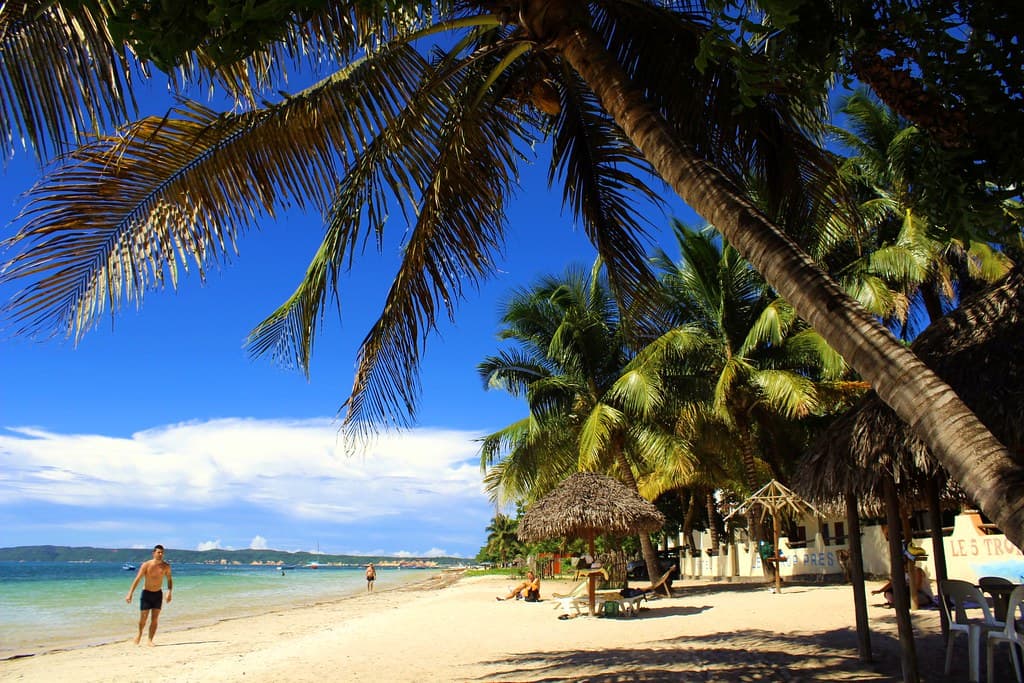
Nosy Hara's beaches are more than just stretches of sand; they are the pristine gateways to a meticulously protected marine national park, a jewel in Madagascar's conservation crown. The moment you step ashore, you're enveloped by an atmosphere of profound ecological significance. The air is clean, the sand is soft, and the surrounding coastal vegetation hums with life, including the elusive and miniature *Brookesia micra* chameleon, a testament to the island's unique biodiversity.
The true magic of Nosy Hara lies beneath its exceptionally clear, warm waters. As a protected reserve, its coral reefs are remarkably healthy and vibrant, forming intricate underwater cities teeming with life. Snorkelers and divers are treated to a kaleidoscopic display of reef fish, graceful sea turtles, and even occasional sightings of larger pelagics. The commitment to conservation here means an almost guaranteed encounter with an unspoiled marine ecosystem, a rare privilege in today's world.
Long-tail boats moored in clear water
Crystal lagoon with rocky outcrop
Explore protected reefs
Witness marine life
Search for tiny reptiles
Prime Visitation
Best Weather
Where it is
Nosy Hara Beach
Nosy Hara, Diana, Madagascar
-12.250000°, 49.000000°
Weather
Loading…
Swell
—
Temp
Warm · Restorative
UV Index
Moderate
Wind
—
Tidal State
Last known
Max Sunlight
—
Ideal Shade
—
May - Sep (Peak)
Jan - Dec (Off-season)
Historical data suggests peak visibility and stable sea temperatures occur during the prime visitation window.
Select a category to load nearby places.
Unlock restaurants, luxury stays and curated maritime experiences within 2km
Nosy Hara Beach, being part of a protected marine reserve, offers generally safe swimming conditions with clear waters. However, visitors should be aware of currents, especially when venturing further from shore. The marine environment is pristine, with vibrant coral reefs and diverse marine life, making it excellent for snorkeling and diving. Always exercise caution, be mindful of your surroundings, and consider local advice regarding specific areas.
The best time to visit Nosy Hara Beach is typically during the dry season, which runs from April/May to November. During these months, the weather is generally sunny, and the seas are calmer, providing excellent visibility for snorkeling and diving. The wet season, from December to March, can bring more rainfall and potentially rougher seas, which might impact accessibility and water activities.
Nosy Hara is a remote island and a protected marine reserve, meaning access is carefully managed. The primary way to reach it is by boat, typically from the mainland near Antsiranana or other coastal points in the Diana region. Visitors usually arrange trips through authorized tour operators who have permits to enter the reserve. It's not an island with regular public transport, emphasizing its secluded nature.
As a strictly protected marine reserve, Nosy Hara Island has very limited to no permanent commercial lodging or food establishments directly on its beaches. Most visits are day trips organized by tour operators, which typically include packed lunches and refreshments. For accommodation, visitors usually stay on the mainland or other nearby islands like Nosy Be, and travel to Nosy Hara for the day.
Nosy Hara is a protected marine reserve due to its exceptional biodiversity, including pristine coral reefs, unique rock formations, and a variety of endemic species, both terrestrial and marine. It offers an unparalleled opportunity for untouched nature exploration, with fantastic snorkeling and diving among vibrant corals and diverse fish. Its protected status ensures a truly remote and pristine island experience, focusing on conservation and responsible tourism.
Photos