

Counting the waves…
Counting the waves…
A refined fusion of water purity, environmental stability, and communal vibrancy for Pantai Minyak Beku.
View MethodologyAnalyzed via live sensors and environmental data.
Wave height, wind, and atmospheric stability.
Live footfall and crowd balance metrics.
Community reviews and curated sentiment.
“You'll find weathered granite boulders scattered across tidal flats where locals gather with thermoses and folding chairs as the sun drops into the Strait. The rocky outcrops replace sandy stretches, creating tide pools…”
Limited recent visitor reports — live OBI telemetry is your best guide for current conditions.
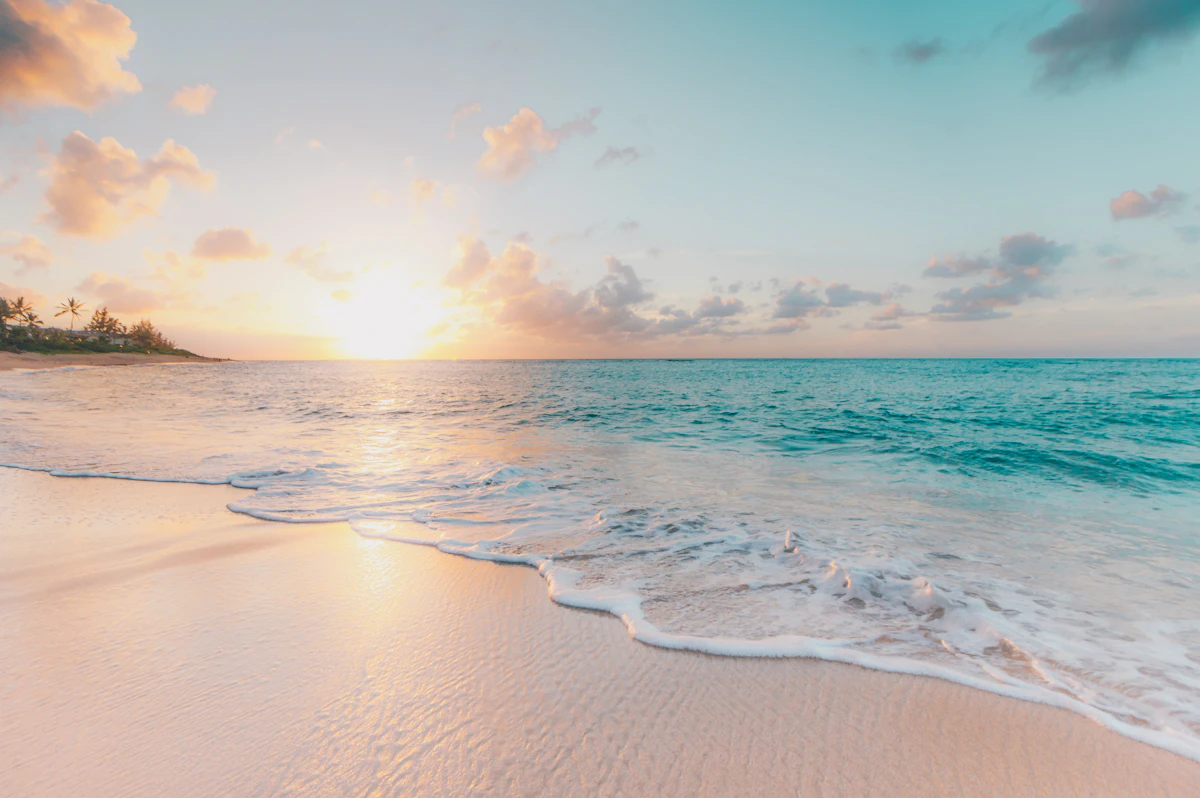
Pantai Minyak Beku stretches along Batu Pahat's western edge, where the shoreline fragments into dark stone platforms and barnacle-crusted boulders instead of the typical golden sand. The name—"Frozen Oil Beach"—hints at the glassy calm that settles over the strait on windless evenings, when fishing boats motor back to the jetty and the water turns mercury-smooth. You'll navigate uneven rock surfaces worn slick by tide and time, stepping carefully between pools where tiny crabs scuttle beneath ribbons of seaweed.
Families claim their favorite boulders hours before dusk, unpacking plastic containers of nasi lemak and setting up portable speakers. The rocks radiate the day's stored heat beneath your palms as you perch above the waterline, watching the horizon bleed from amber to violet. Fishermen work the edges with practiced economy, their lines arcing into deeper channels where the current pulls strongest.
Silhouette fishing boats against sky
Grilled seafood at roadside stalls
Explore tide pools at low water
Prime Visitation
sunset
Where it is
Pantai Minyak Beku
Batu Pahat, Johor, Malaysia
1.840800°, 102.957700°
Weather
Loading…
Swell
—
Temp
Warm · Restorative
UV Index
Moderate
Wind
—
Tidal State
Last known
Max Sunlight
—
Ideal Shade
—
Jan - Dec (Peak)
May - Nov (Off-season)
Historical data suggests peak visibility and stable sea temperatures occur during the prime visitation window.
Select a category to load nearby places.
Unlock restaurants, luxury stays and curated maritime experiences within 2km
Pantai Minyak Beku is primarily a rocky beach, making it less suitable for traditional swimming compared to sandy beaches. The rocky shoreline and potentially uneven seabed require extra caution. Visitors typically come here for sunset views, photography, and relaxation rather than swimming. If you do wade in, wear water shoes for foot protection and stay close to shore. Always supervise children closely near the water. Check local conditions before entering, as west coast beaches can experience strong currents during certain tidal periods.
The best time to visit Pantai Minyak Beku is during sunset, typically between 6:30-7:30 PM, when the beach is famous for its stunning golden-hour views over the Straits of Malacca. Weather-wise, visit during the dry season from March to October for clearer skies and better sunset visibility. Weekdays are generally less crowded than weekends. The west coast of Malaysia experiences afternoon heat, so late afternoon arrivals are most comfortable. Avoid the monsoon season (November-February) when heavy rains may obscure sunset views.
Pantai Minyak Beku is located approximately 20-25 kilometers from Batu Pahat town center. The most convenient way to reach the beach is by car or taxi, as public transportation options are limited. From Batu Pahat, follow signs toward Minyak Beku village along coastal roads. Parking is typically available near the beach area, though spaces may be limited during peak times like weekends and public holidays. The journey takes roughly 30-40 minutes from central Batu Pahat depending on traffic conditions.
Pantai Minyak Beku is a relatively undeveloped beach area with limited on-site facilities. You'll find small local food stalls and warungs (simple eateries) near the beach serving Malaysian snacks and refreshments, though options may be basic. For more extensive dining choices and accommodation, head back to Batu Pahat town, approximately 20-25 kilometers away, where you'll find hotels, guesthouses, and restaurants serving local Johor cuisine. It's advisable to bring water and snacks if you plan an extended visit.
The name 'Pantai Minyak Beku' translates to 'Frozen Oil Beach' in English, a name that intrigues many visitors. While the exact origin of this unusual name isn't definitively documented, local folklore suggests various explanations related to the area's history or appearance of the rocks. The rocky formations and certain tidal conditions may have contributed to the naming. Regardless of its etymology, the beach has become famous for its distinctive rocky coastline and exceptional sunset views rather than any connection to actual oil or frozen substances.
Photos