Pulau Tioman · Pahang · Malaysia
Paya Beach
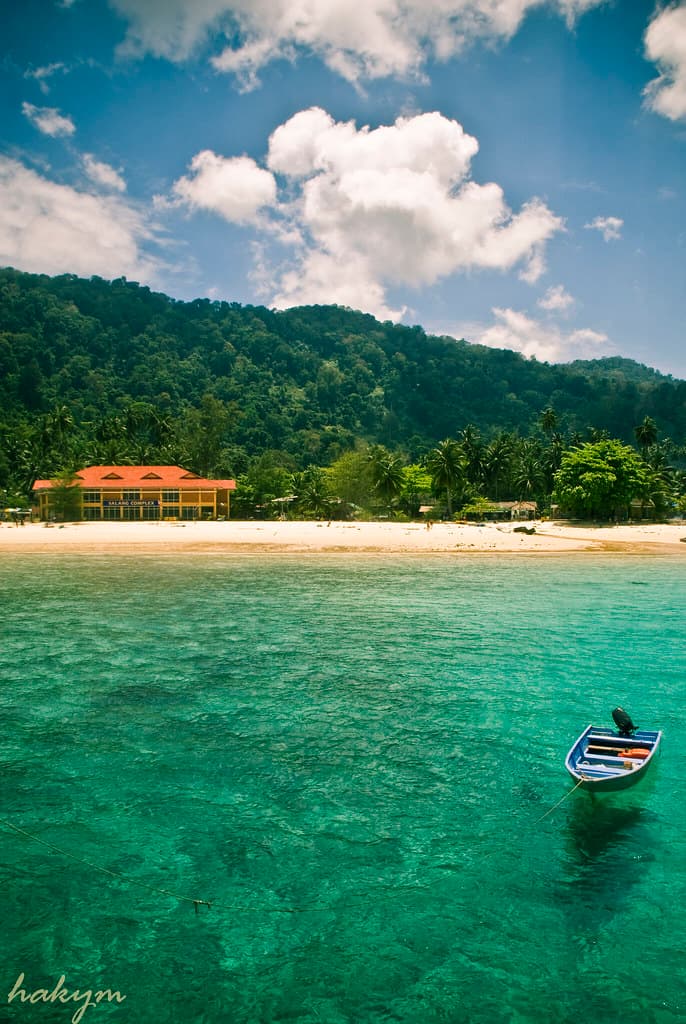
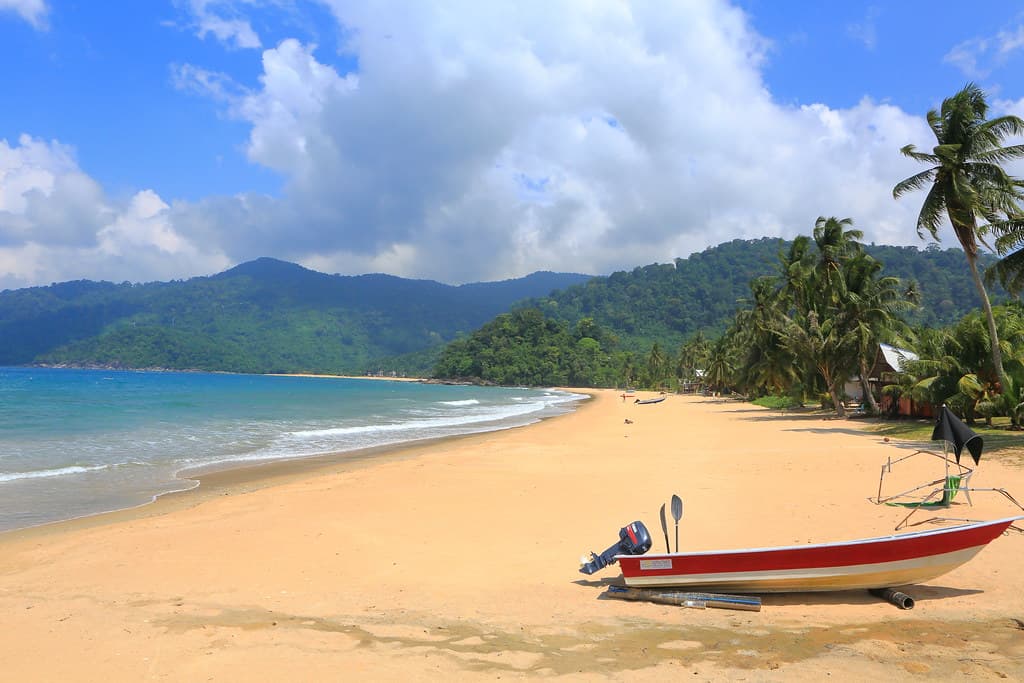
You'll hear the rustle of leaves before you see the waves at Paya Beach, where the jungle spills so close to shore that macaques swing overhead while you float. The sand is coarse underfoot, volcanic in origin, and warm even in the shade of towering dipterocarp trees that mark the forest edge.
Reading live conditions…
Live from Open-Meteo · sea surface temperature and wave data modelled at 1-km grid resolution for Paya Beach. Numbers refresh at the hourly tick.
- Purity
- 0%
- Conditions
- 0%
- Crowd
- 0%
- Vibe
- 0%
The OnlyBeaches Index weighs four pillars against your chosen persona. Purity comes from water clarity and air-quality heuristics; Conditions from Open-Meteo waves, wind and temperatures; Crowd from historical patterns; Vibe from nearby events within 50 km. The score rebalances throughout the day.
You'll hear the rustle of leaves before you see the waves at Paya Beach, where the jungle spills so close to shore that macaques swing overhead while you float. The sand is coarse underfoot, volcanic in origin, and warm even in the shade of towering dipterocarp trees that mark the forest edge.
Photos
8 captures from Paya Beach
About this beach
Where it is
Paya Beach
Pulau Tioman, Pahang, Malaysia
2.7905°, 104.1270°
Top things to do
At Paya Beach
Wade-In Reefs
Table corals thirty meters offshore
Jungle Trails
Monitor lizards on forest paths
Calm Waters
Protected bay for young swimmers
Beachfront Grills
Stingray sambal at resort kitchens
Near this beach
Places, rentals, tours and events within walking and driving distance of Paya Beach.
Questions people actually ask about Paya Beach.
Is Paya Beach safe for swimming and snorkeling?
Paya Beach is generally safe for swimming, with calm, shallow waters particularly suitable for families with children. The bay's protected location provides sheltered conditions most of the year. Snorkeling is excellent here, with coral reefs close to shore and visibility typically good during calm weather. However, always check current conditions with your resort, avoid swimming during monsoon season (November-February), and wear water shoes as some areas have coral and rocks. Life-saving equipment availability varies by resort.
When is the best time to visit Paya Beach?
The best time to visit Paya Beach is March through October, during the dry season when seas are calm and weather is sunny. Peak season runs from June to August, offering the most reliable conditions but larger crowds. April-May and September-October provide excellent weather with fewer visitors. Avoid November through February when the northeast monsoon brings heavy rain, rough seas, and many resorts close completely. Water visibility for snorkeling is best during the drier months.