
Counting the waves…
Counting the waves…
A refined fusion of water purity, environmental stability, and communal vibrancy for Kapas Island Beach.
View MethodologyAnalyzed via live sensors and environmental data.
Wave height, wind, and atmospheric stability.
Live footfall and crowd balance metrics.
Community reviews and curated sentiment.
“You step off the speedboat onto sand so fine it squeaks beneath your feet. The crossing from Marang jetty takes just twenty minutes, delivering you to an island where jungle slopes meet turquoise shallows teeming with…”
Limited recent visitor reports — live OBI telemetry is your best guide for current conditions.
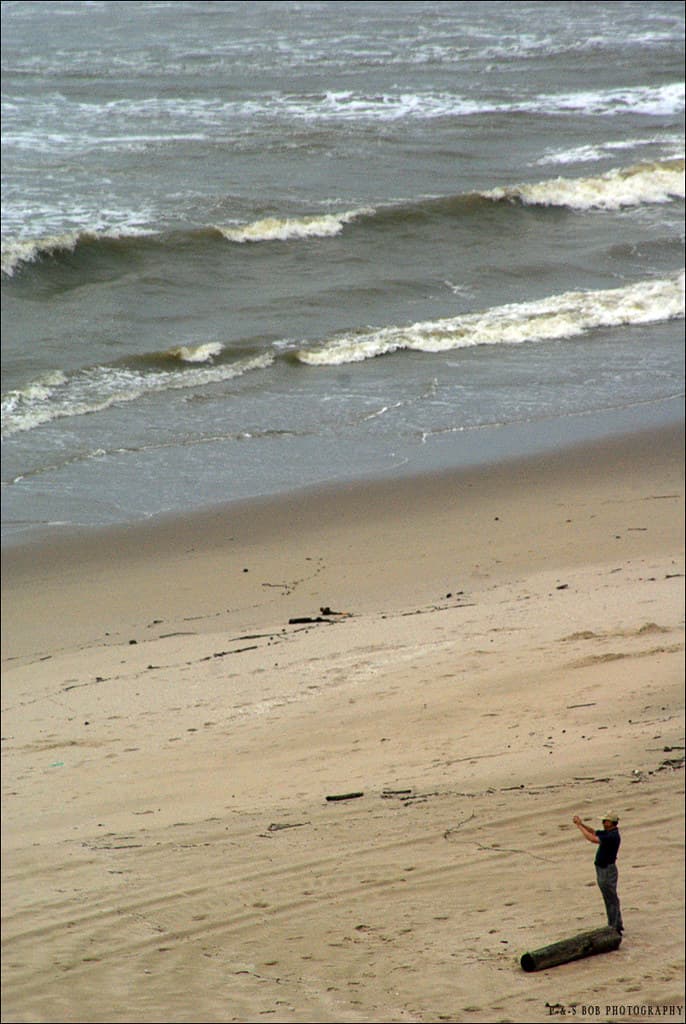
The moment your boat rounds the southern tip of Pulau Kapas, you understand the island's name—'kapas' means cotton in Malay, and the sand here feels just as soft between your toes. Beyond the narrow strip of beach chalets and dive shops, the island is largely untouched: monitor lizards slip through coastal forest, and the only sounds are waves lapping against weathered limestone and the distant thrum of boat engines bringing day-trippers from the mainland.
You'll spend your mornings in the water. The house reef sits barely fifty meters from shore, where coral gardens slope into channels patrolled by cuttlefish and schools of fusiliers. Snorkelers wade straight in from the beach; divers head to sites like Batu Nisan and Pulau Gemia, where visibility often exceeds twenty meters. By midday, the sun overhead turns the shallows into bands of jade and sapphire, each depth shift visible from your beach towel.
House coral fifty meters out
Secluded beach past rocky headland
Monkeys and monitor lizards inland
Prime Visitation
day trip
Where it is
Kapas Island Beach
Pulau Kapas, Terengganu, Malaysia
5.219800°, 103.259500°
Weather
Loading…
Swell
—
Temp
Warm · Restorative
UV Index
Moderate
Wind
—
Tidal State
Last known
Max Sunlight
—
Ideal Shade
—
Jan - Dec (Peak)
May - Nov (Off-season)
Historical data suggests peak visibility and stable sea temperatures occur during the prime visitation window.
Select a category to load nearby places.
Unlock restaurants, luxury stays and curated maritime experiences within 2km
Kapas Island Beach is generally safe for swimming and snorkeling during calm weather conditions, typically from March to October. The waters are relatively shallow near shore with gentle currents, making it suitable for beginners. However, always check conditions before entering the water, as currents can strengthen during monsoon season. The beach has several designated snorkeling areas with vibrant coral reefs close to shore. Life jackets are available for rent, and some resorts offer guided snorkeling tours for added safety and marine life spotting opportunities.
The best time to visit Kapas Island is between March and October, with April to September offering the calmest seas and sunniest weather. The island typically closes to tourists during the northeast monsoon season from November to February due to rough seas and limited boat access. Peak season runs from June to August, bringing more crowds but excellent underwater visibility for snorkeling. For a balance of good weather and fewer visitors, consider visiting during the shoulder months of April, May, or September.
To reach Kapas Island, you must take a boat from Marang jetty on the mainland, located about 15 kilometers south of Kuala Terengganu. The journey takes approximately 20-30 minutes. Boats run regularly from 8:30 AM to 5:00 PM during the operating season, with return trips available until late afternoon. You can purchase tickets directly at the jetty or pre-book through your resort. If driving to Marang, parking is available near the jetty for a small daily fee. Some resorts also arrange private boat transfers for guests.
Kapas Island offers several beachfront resorts and budget chalets ranging from basic to mid-range accommodation, though options are limited compared to larger Malaysian islands. Most resorts have their own restaurants serving Malaysian and seafood dishes, with some offering meal packages for guests. There are a few independent eateries near the main beach serving local food and drinks. Amenities are modest—expect simple facilities rather than luxury. Day-trippers can access beach restaurants for lunch. Book accommodation in advance during peak season, as the island has limited capacity.
Yes, Kapas Island is small enough to explore on foot, with a jungle trail connecting the main beach on the west coast to quieter beaches on the east side. The trek through the interior takes roughly 20-30 minutes and offers a chance to experience the island's lush tropical vegetation. The trail can be steep and slippery in places, so wear proper footwear. You can also walk along the beach at low tide. The entire island circuit is manageable in a few hours, making it perfect for adventurous visitors wanting to discover secluded spots.
Photos