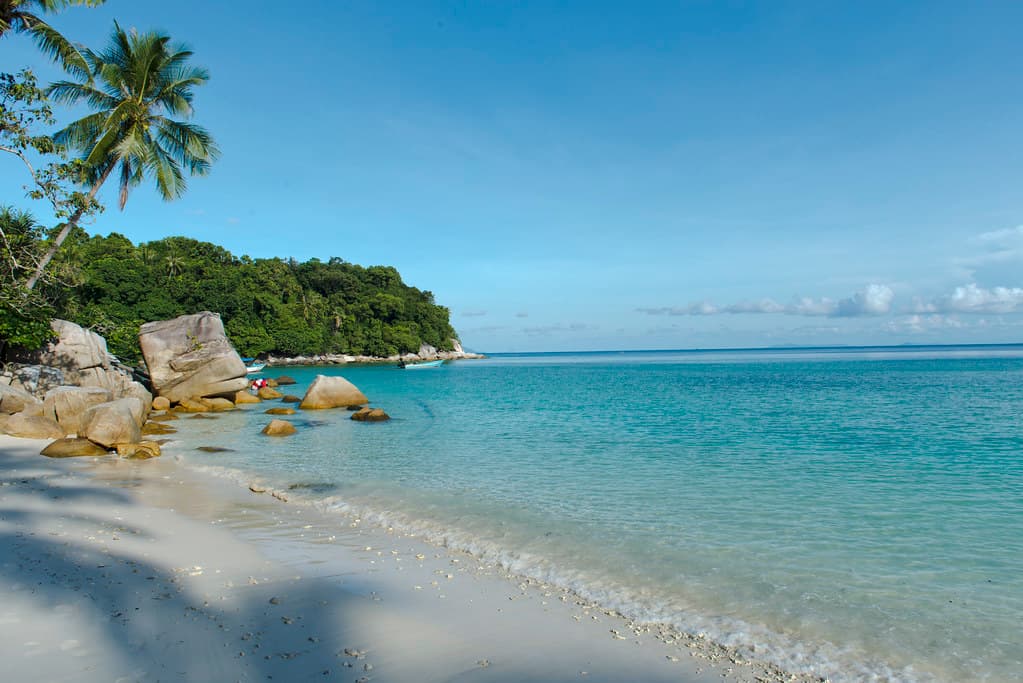

Counting the waves…
Counting the waves…
A refined fusion of water purity, environmental stability, and communal vibrancy for Turtle Sanctuary Beach.
View MethodologyAnalyzed via live sensors and environmental data.
Wave height, wind, and atmospheric stability.
Live footfall and crowd balance metrics.
Community reviews and curated sentiment.
“You'll spot the telltale ripples before you see the shell—green turtles grazing on seagrass just meters from shore. The water here is the temperature of bathwater by mid-morning, visibility stretching twenty feet down…”
Limited recent visitor reports — live OBI telemetry is your best guide for current conditions.
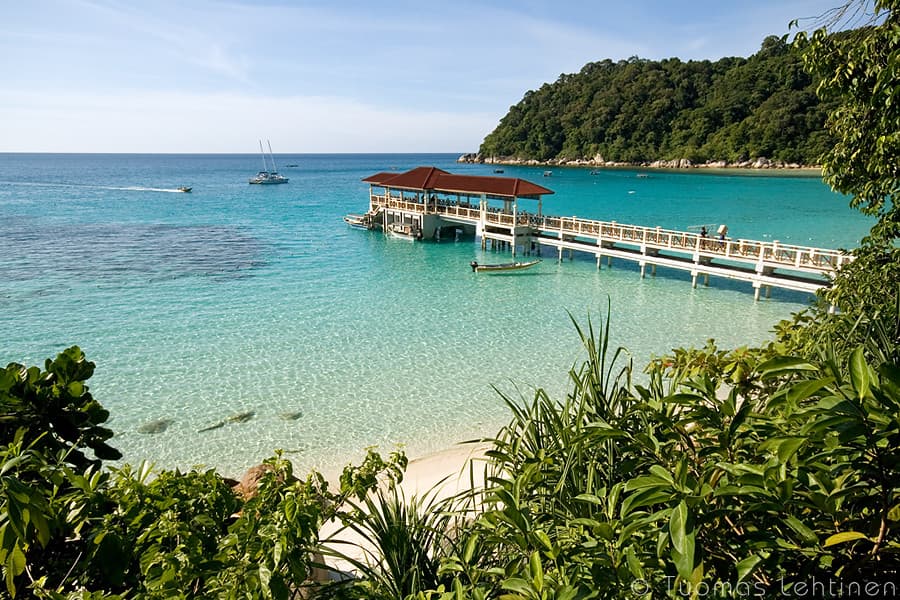
The longtail boat cuts its engine fifty meters offshore, and you wade through shin-deep water onto sand so fine it squeaks underfoot. This isn't a beach for spreading towels and cracking novels—Turtle Sanctuary Beach earns its name, and by ten a.m. you'll understand why. Green turtles surface to breathe in the shallows, their prehistoric heads breaking the calm between your position and the dive buoys marking deeper coral.
You'll need only a mask and fins. The seagrass beds begin where the sand slopes away, and hawksbill turtles join their green cousins to graze. Parrotfish the size of rugby balls crunch coral audibly enough to hear underwater. The visibility peaks before noon, when the South China Sea settles into glassy stillness and you can count the individual polyps on brain coral twelve feet down.
Dawn snorkels guarantee green turtles
Bring waterproof housing for hawksbills
Life jacket lets extended observation
Prime Visitation
snorkeling
Where it is
Turtle Sanctuary Beach
Pulau Perhentian Besar, Terengganu, Malaysia
5.907800°, 102.726800°
Weather
Loading…
Swell
—
Temp
Warm · Restorative
UV Index
Moderate
Wind
—
Tidal State
Last known
Max Sunlight
—
Ideal Shade
—
Jan - Dec (Peak)
May - Nov (Off-season)
Historical data suggests peak visibility and stable sea temperatures occur during the prime visitation window.
Select a category to load nearby places.
Unlock restaurants, luxury stays and curated maritime experiences within 2km
Yes, Turtle Sanctuary Beach generally offers safe swimming and snorkeling conditions. The bay is relatively sheltered with calm, turquoise waters, making it suitable for most skill levels. However, always check current conditions before entering the water, as tides and seasonal weather can affect visibility and currents. When snorkeling, maintain a respectful distance from sea turtles and marine life—never touch or chase them. Wear reef-safe sunscreen to protect the ecosystem. Life jackets are available for rent if you're not a confident swimmer.
The best time to visit is between March and October during Malaysia's dry season, when seas are calm and visibility is excellent for snorkeling. Peak turtle-watching season typically runs from April to September. Avoid the monsoon season (November to February) when rough seas often close the islands to visitors and many resorts shut down. For the best snorkeling conditions and turtle sightings, visit early morning between 8-10 AM when waters are calmest and turtles are most active.
Turtle Sanctuary Beach is accessible only by boat, as there are no roads on Perhentian Besar. From mainland Malaysia, take a speedboat from Kuala Besut jetty (approximately 45 minutes to the island). Once on Perhentian Besar, you can reach the beach via water taxi from your resort or the main jetty—trips typically cost 10-30 ringgit depending on distance. Some visitors arrive by walking the jungle trail from nearby beaches, though this can be challenging in humid conditions.
Yes, several beachfront resorts and guesthouses are located directly on or near Turtle Sanctuary Beach, ranging from budget bungalows to mid-range properties. Most accommodations include on-site restaurants serving Malaysian and Western cuisine, with fresh seafood being a highlight. Small beach cafes and bars offer drinks and snacks throughout the day. Snorkeling equipment is available for rent at most resorts. For more dining variety, water taxis can take you to other beaches on the island within minutes.
Turtle sightings are very common at this beach, particularly green and hawksbill turtles, which frequently feed on seagrass and coral near the shore. Many visitors report seeing turtles while snorkeling, especially in the early morning hours. The beach is a nesting site, though encounters with nesting turtles are less predictable and depend on season and time of day. To maximize your chances, snorkel the reef areas and always observe from a respectful distance without touching or disturbing these protected creatures.
Photos