
Counting the waves…
Counting the waves…
A refined fusion of water purity, environmental stability, and communal vibrancy for Naifaru Beach.
View MethodologyAnalyzed via live sensors and environmental data.
Wave height, wind, and atmospheric stability.
Live footfall and crowd balance metrics.
Community reviews and curated sentiment.
“Trade resort manicures for the genuine grit of a working island, where fishing boats bob and children play soccer on the sand. Naifaru Beach offers a window into the Maldives beyond the postcard, inviting you to connect…”
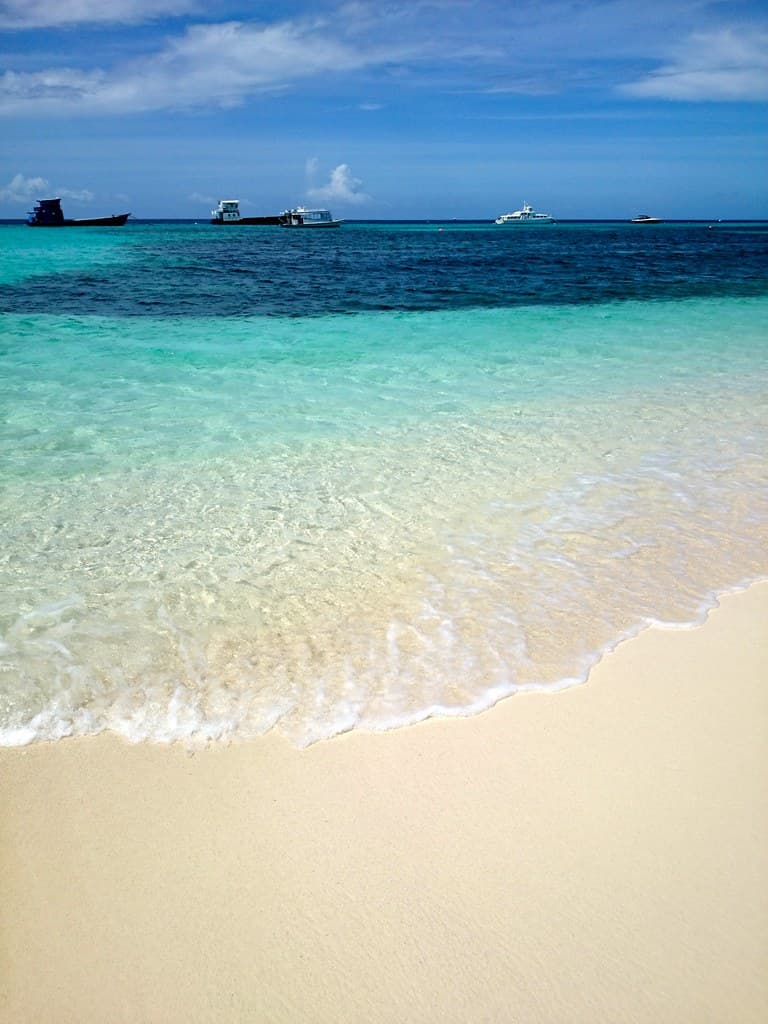
Limited recent visitor reports — live OBI telemetry is your best guide for current conditions.
Naifaru Beach isn't about manicured perfection; it's about the vibrant, unvarnished reality of a Maldivian community. Here, the sand bears the imprints of daily life – a fisherman mending nets, a child chasing a crab, the scent of a home-cooked meal wafting from nearby houses. This is where you witness the true heart of the Lhaviyani Atoll, far removed from the polished sheen of luxury resorts.
Stroll along the shoreline as the sun dips below the horizon, painting the sky in hues of tangerine and rose. The gentle murmur of the waves blends with the distant chatter of islanders, creating a symphony of local life. You might find yourself sharing a smile with a passing resident or watching a game of beach volleyball unfold with enthusiastic energy.
Cool off in the lagoon
Document local life
Savor local cuisine
Prime Visitation
Best Weather|Budget Travel
Where it is
Naifaru Beach
Naifaru, Lhaviyani Atoll, Maldives
5.444500°, 73.365500°
Weather
Loading…
Swell
—
Temp
Warm · Restorative
UV Index
Moderate
Wind
—
Tidal State
Last known
Max Sunlight
—
Ideal Shade
—
Jan - Dec (Peak)
May - Nov (Off-season)
Best Weather|Budget Travel
Select a category to load nearby places.
Unlock restaurants, luxury stays and curated maritime experiences within 2km
Naifaru Beach is generally safe for swimming and family activities, being the main local beach of one of Lhaviyani Atoll's larger inhabited islands. The beach typically has calm lagoon areas suitable for children, though parental supervision is always essential. As a local beach, infrastructure may be more basic than resort beaches, so bring sun protection and appropriate footwear. Be aware that local beaches follow Maldivian customs, including modest dress requirements outside designated swimming areas. Check locally about current conditions, jellyfish presence, or other seasonal factors. The community setting often means local families also use the beach, creating a safe, welcoming atmosphere.
Naifaru Beach is ideal for budget travel year-round, with the most affordable rates during the wet season from May to October when accommodation prices drop significantly. However, for best weather combined with budget considerations, visit during shoulder months like November or April when prices are moderate and weather increasingly favorable. The dry season from December to March offers best conditions but higher prices. As a local island destination, Naifaru remains more affordable than resort islands regardless of season. Budget travelers can find reasonable guesthouse rates, local restaurants, and authentic experiences at fraction of resort costs, even during peak season.
Naifaru is accessible from Malé via domestic flights or ferry services. The speedboat ferry journey takes several hours depending on route and weather conditions, offering an economical option for budget travelers. Some operators run scheduled public ferries connecting Naifaru with Malé and other atolls, though schedules vary and should be confirmed in advance. Domestic flights to nearby airports may require additional speedboat transfers. Check current schedules with Maldives Transport and Contracting Company or local ferry operators. As one of Lhaviyani Atoll's main islands, Naifaru has better connectivity than smaller islands, but advance planning is essential for smooth travel.
Naifaru offers several guesthouses providing budget-friendly accommodation with basic amenities and authentic Maldivian hospitality. These family-run establishments typically include breakfast and can arrange meal plans. Local restaurants and cafés serve traditional Maldivian cuisine, including fresh seafood, at very reasonable prices compared to resorts. As a local inhabited island, alcohol is not available, and modest dress is required in public areas outside designated bikini beaches. Guesthouse hosts usually speak English and can help arrange activities, island tours, and snorkeling trips. Staying on Naifaru provides genuine cultural immersion while maintaining comfort and safety for international travelers.
Naifaru Beach stands out as the main local beach of a significant inhabited island, offering authentic Maldivian culture alongside natural beauty. Unlike resort islands, Naifaru lets travelers experience real island community life, interact with locals, and explore beyond tourist bubbles. As a budget-friendly option, it provides access to Maldivian beaches without luxury resort prices. The island has shops, cafés, and infrastructure serving residents, giving insight into daily Maldivian life. This combination of affordability, cultural authenticity, and sandy beaches makes Naifaru ideal for budget-conscious travelers and families seeking genuine experiences. It represents the Maldives as lived by Maldivians, not just as a tourist destination.
Photos