Counting the waves…
Counting the waves…
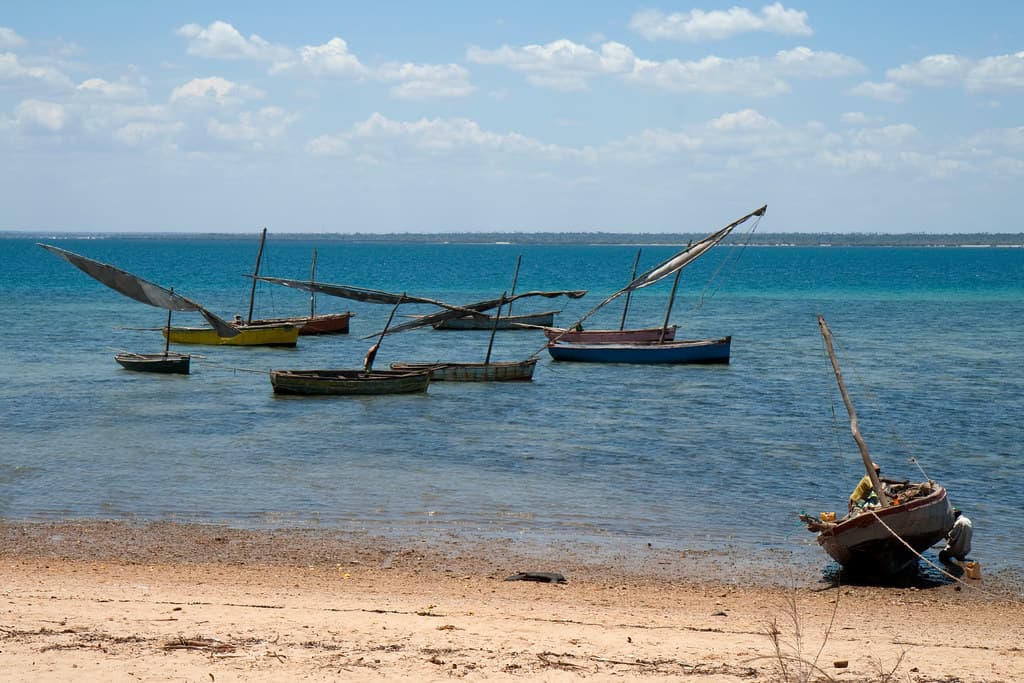
Lumbo Beach, situated on the mainland directly across from Ilha de Moçambique, is more than just a stretch of sand; it's a historic crossroads. For centuries, this beach served as a crucial crossing point, connecting the mainland to the island, facilitating trade and cultural exchange. Today, you can still feel the echoes of this rich past as you watch local boats ferry people and goods across the channel, a living testament to its enduring relevance. The sandy expanse invites you to relax and soak in the views, which include the iconic bridge connecting Lumbo to the island, and the distant silhouette of Ilha de Moçambique itself. The water here is calm and inviting, perfect for a refreshing swim or simply wading at the edge. Families will find the gentle conditions suitable for children, while those seeking solitude can find quiet spots to unwind and observe the daily rhythm of coastal life. As the sun begins its descent, Lumbo Beach transforms into a canvas of vibrant colors. The sunset over the water, with the bridge and island in the foreground, is a truly breathtaking sight, offering incredible photographic opportunities. Its strong local and heritage relevance makes it a fascinating destination for those interested in Mozambique's history and its vibrant present.
Places, rentals, tours and events within walking and driving distance of Lumbo Beach.
Photos
Lumbo Beach is a sandy beach with strong local and heritage relevance. While generally suitable for swimming, specific safety details regarding currents or marine life are not consistently published. As a historic mainland beach and crossing point, it might experience more boat traffic than secluded coves. It's always wise to observe local conditions and inquire with residents about the safest swimming areas. There are no mentions of lifeguards, so caution is advised.
For fewer crowds and budget travel, visiting Lumbo Beach during the off-peak or shoulder seasons is recommended. This typically avoids major holidays and school breaks when tourist numbers might be higher. These periods often offer pleasant weather and potentially lower prices for accommodation and activities. Always check the local climate patterns for the Nampula Province to ensure comfortable travel conditions during your chosen dates.
Lumbo Beach is located on the mainland, serving as a historic crossing point to Ilha de Moçambique. From Ilha de Moçambique, access is typically via the bridge connecting the island to the mainland. Once on the mainland, Lumbo Beach is easily accessible within the Lumbo area. If coming from further afield, you would likely travel to Nampula city first, then take ground transport to Lumbo. Boat access is also a noted feature, offering an alternative arrival method.
As a historic mainland beach and a local hub, Lumbo Beach and its surrounding area likely offer a range of local eateries and guesthouses catering to both residents and visitors. You can expect to find Mozambican cuisine and basic to mid-range accommodation options. While not a major resort destination, its proximity to Ilha de Moçambique means that additional dining and lodging choices are available a short distance away. It's advisable to book accommodation in advance.
Lumbo Beach is unique due to its profound historical and local relevance as the mainland crossing point to Ilha de Moçambique, a UNESCO World Heritage site. It serves as a gateway and has played a significant role in the region's maritime history. Beyond its scenic appeal and family-friendly atmosphere, the beach offers a glimpse into local life and heritage. Its 'boat access' tag also highlights its function as a transport hub, adding to its distinct character.