
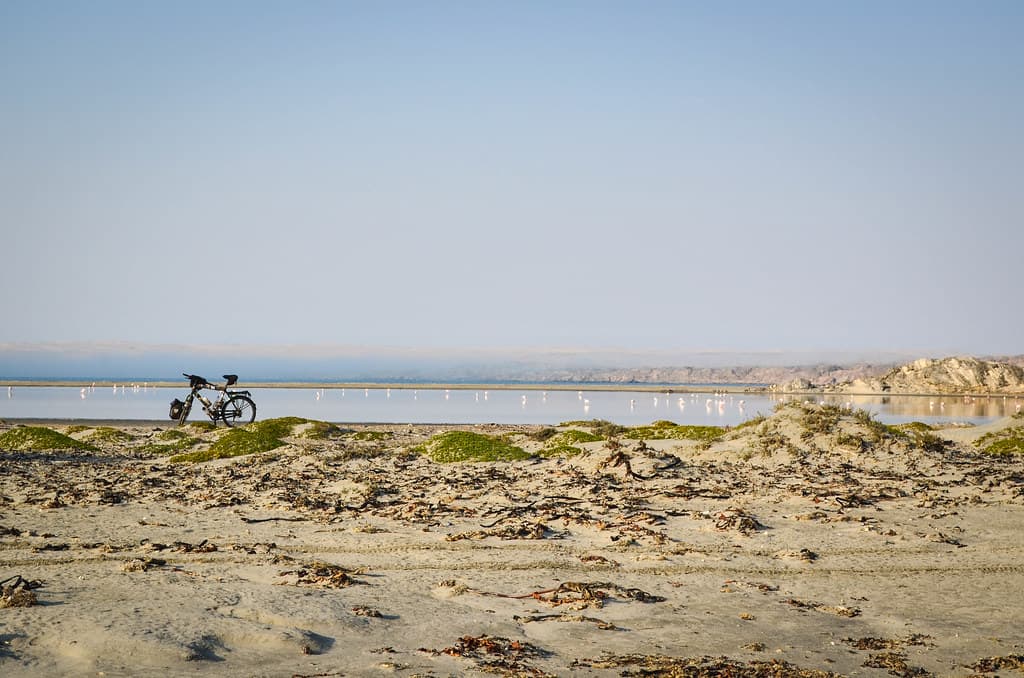
Approaching Halifax Island by boat, the first thing you'll notice is the sheer abundance of life. This small island is a critical breeding ground for African penguins, Cape gannets, and various cormorant species, their calls echoing across the water. The beach itself is a narrow, rocky strip, often dotted with the dark forms of seals basking in the sun or penguins waddling to and from the ocean. It's a sensory overload of sights and sounds, a testament to the resilience of nature in a harsh environment.
“This island beach offers unparalleled access to a thriving seabird colony set against Namibia's dramatic, windswept Atlantic coast.”
 Credit: Flickr
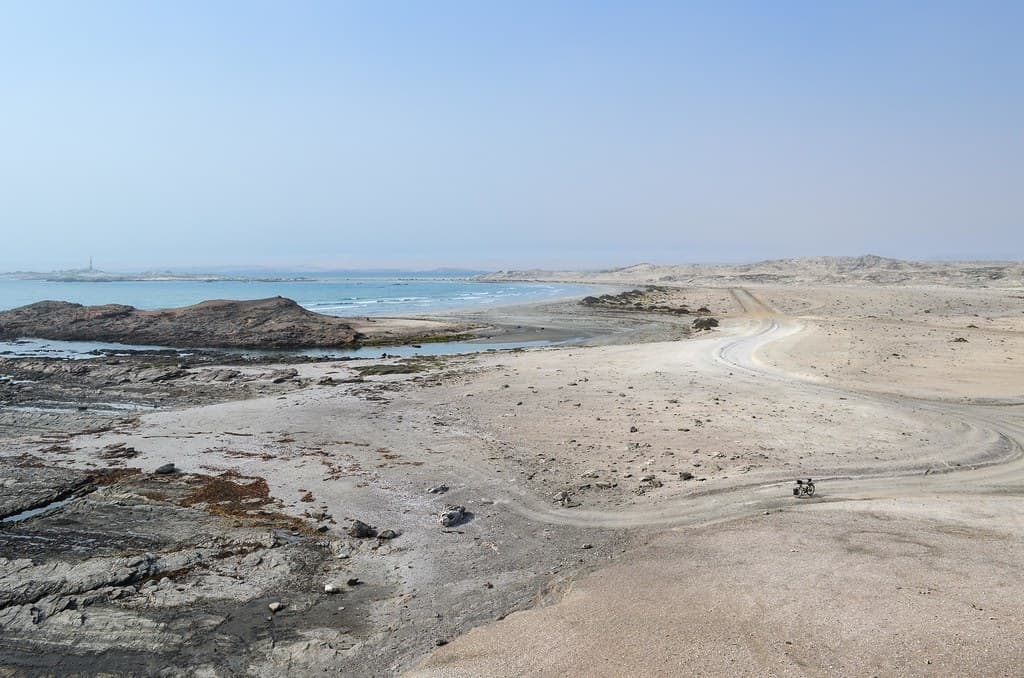
Halifax Island Beach — photo by jbdodane
Stepping onto the island, you're immediately aware of the powerful Atlantic winds that have sculpted its every feature. The sand, coarse and shell-laden, crunches underfoot, leading to tide pools teeming with small marine creatures. The dramatic rock formations, carved by millennia of ocean spray, provide a stunning backdrop for the bustling bird colonies. Remember to maintain a respectful distance from the wildlife, allowing them to thrive undisturbed in their natural habitat.
Halifax Island Beach isn't about swimming or sunbathing; it's about observation and appreciation. It's a place to witness the intricate dance of an ecosystem, to feel the wildness of Namibia's coast, and to capture breathtaking photographs of a truly unique landscape. The stark beauty, the vibrant birdlife, and the powerful ocean create an unforgettable, immersive experience.


