

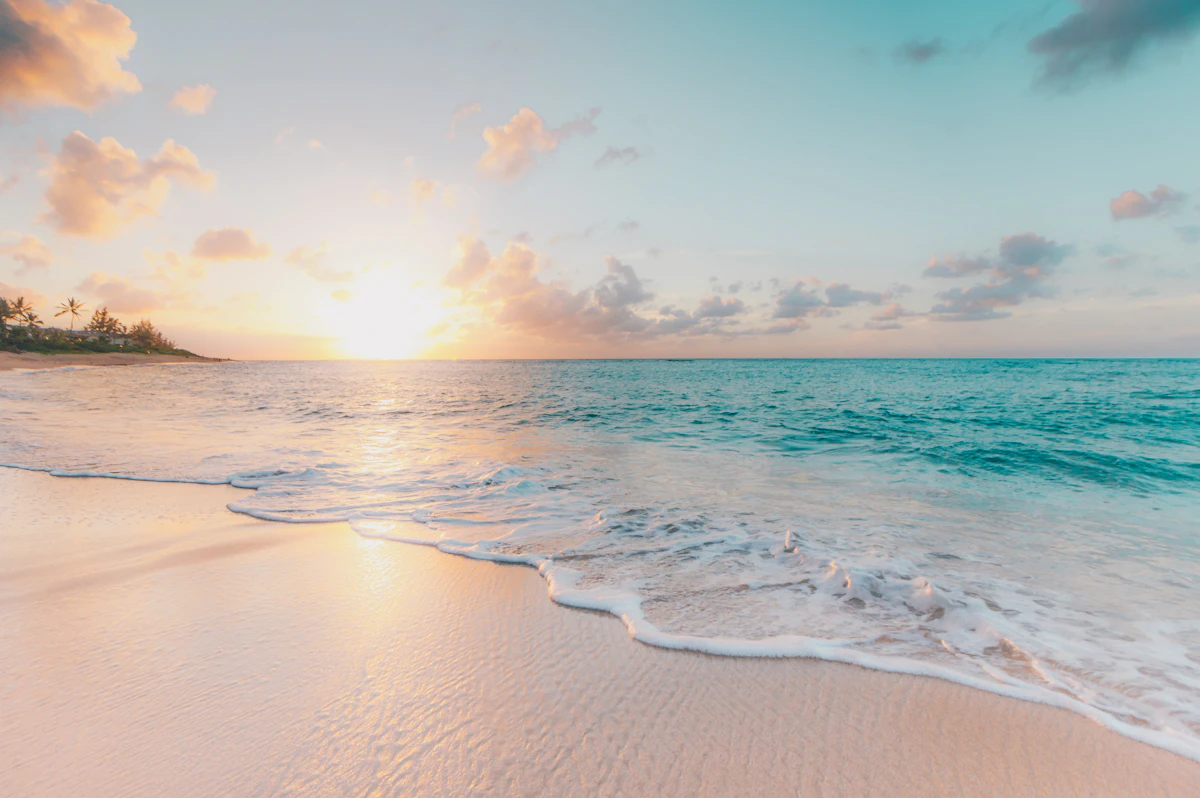
Counting the waves…
Counting the waves…
Kunene River Mouth Beach is a geographical spectacle, a point where three distinct ecosystems converge with breathtaking impact. The mighty Kunene River, a lifeline through the desert, carves its final path into the Atlantic, creating a dynamic delta. On one side, the colossal dunes of the Namib Desert plunge directly into the ocean, their slopes sculpted by millennia of wind. On the other, a vibrant wetland ecosystem flourishes, a testament to the river's life-giving waters. This dramatic meeting point is a haven for diverse wildlife, from migratory birds finding respite in the wetlands to desert-adapted creatures traversing the dunes. The air is alive with the calls of gulls and the whisper of the wind, carrying the scent of salt and sand. It’s a landscape that constantly shifts and evolves, shaped by the relentless forces of river, wind, and ocean. As the sun dips below the horizon, the sky ignites in a blaze of color, casting long, ethereal shadows across the dunes and the water. The solitude here is absolute, offering a profound connection to the raw, untamed spirit of Africa. Kunene River Mouth Beach is not just a beach; it's a living, breathing testament to the power and artistry of nature, a truly unforgettable frontier experience.
Places, rentals, tours and events within walking and driving distance of Kunene River Mouth Beach.
Photos
Swimming at Kunene River Mouth Beach is generally not recommended due to strong currents, cold Atlantic waters, and potential wildlife hazards. The confluence of the river and ocean creates unpredictable conditions. This is a wild, untamed stretch of coastline, better suited for observation and photography than for water activities. Always prioritize safety and adhere to any local advisories or park regulations when visiting this remote area.
The best time to visit Kunene River Mouth Beach is typically during the cooler, drier months, which often coincide with Namibia's winter (roughly May to October). During this period, you can expect more stable weather conditions, less fog, and generally clearer skies, making for better viewing and photography. As it's a very remote location, crowds are rarely an issue, but these months offer the most pleasant experience.
Accessing Kunene River Mouth Beach is challenging and requires specialized transportation, typically a 4x4 vehicle, and often a guided tour due to its remote location within the Skeleton Coast National Park. Independent travel may be restricted, and permits are usually necessary. The terrain can be difficult, involving driving over sand and rough tracks. It's advisable to arrange travel with an experienced tour operator familiar with the region.
Due to its extremely remote and protected status within the Skeleton Coast National Park, there are no food or lodging options directly at Kunene River Mouth Beach. Visitors must be entirely self-sufficient, carrying all necessary supplies, including food, water, and camping gear if an overnight stay is permitted as part of a guided expedition. Accommodations would typically be found far from the immediate area, often requiring a multi-day journey.
Kunene River Mouth Beach is unique for being the dramatic point where the Kunene River meets the Atlantic Ocean, forming a dynamic landscape of towering dunes, riverine wetlands, and crashing surf. It's a significant ecological boundary and a visually stunning location. Visitors can expect to witness incredible desert scenery, diverse birdlife, and potentially other desert-adapted wildlife that congregates around this vital water source in an otherwise arid environment.