Counting the waves…
Counting the waves…
A refined fusion of water purity, environmental stability, and communal vibrancy for Vliehors Quiet Beach.
View MethodologyAnalyzed via live sensors and environmental data.
Wave height, wind, and atmospheric stability.
Live footfall and crowd balance metrics.
Community reviews and curated sentiment.
“Vliehors Quiet Beach isn't just a beach; it's a sprawling, dynamic sand plain on the western tip of Vlieland, often called the 'Sahara of the North'. This remote, protected area offers an unparalleled sense of solitude…”
Limited recent visitor reports — live OBI telemetry is your best guide for current conditions.
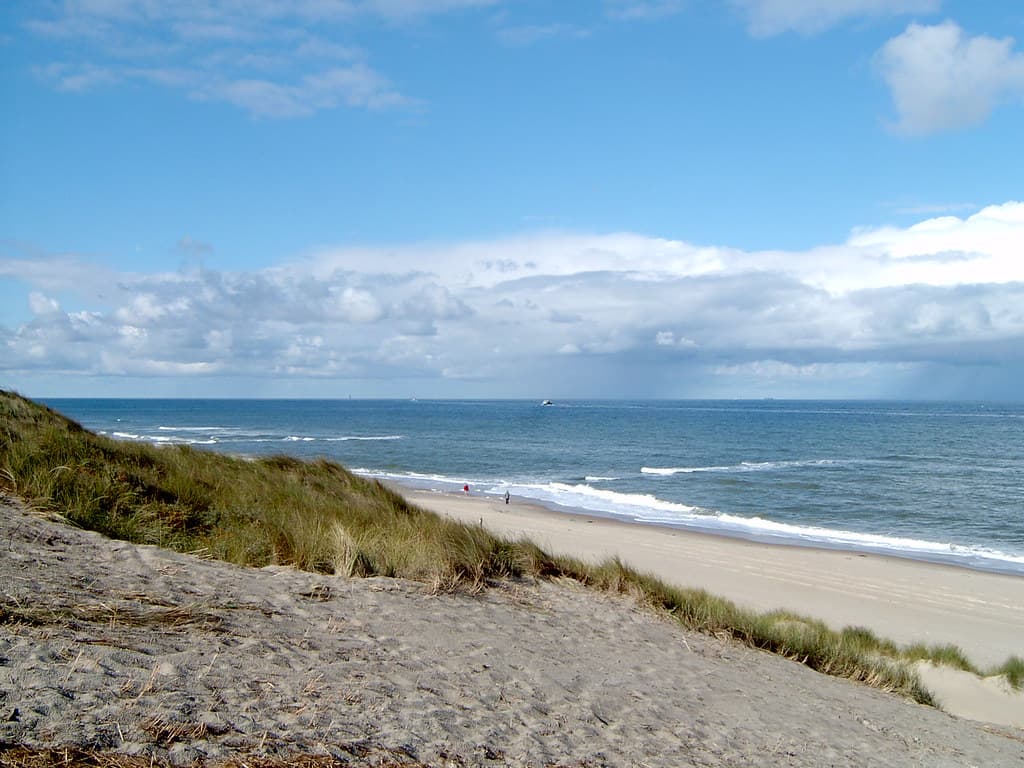
Vliehors Quiet Beach is a truly unique natural wonder, a vast, uninhabited sand plain that stretches for miles on the westernmost point of Vlieland. Reaching it is an adventure in itself, often requiring a ride on the 'Vliehors Express' – a converted truck that traverses the shifting sands. Once there, you're enveloped by an almost otherworldly silence, broken only by the cry of gulls and the whisper of the wind across the dunes.
This isn't a beach for sun loungers and ice cream vendors; it's a place for profound connection with nature. The landscape is ever-changing, shaped by the North Sea and the elements, with scattered driftwood and the occasional shipwreck adding to its rugged charm. You can walk for hours without seeing another soul, feeling the immense scale of this wild, untamed corner of the Wadden Sea.
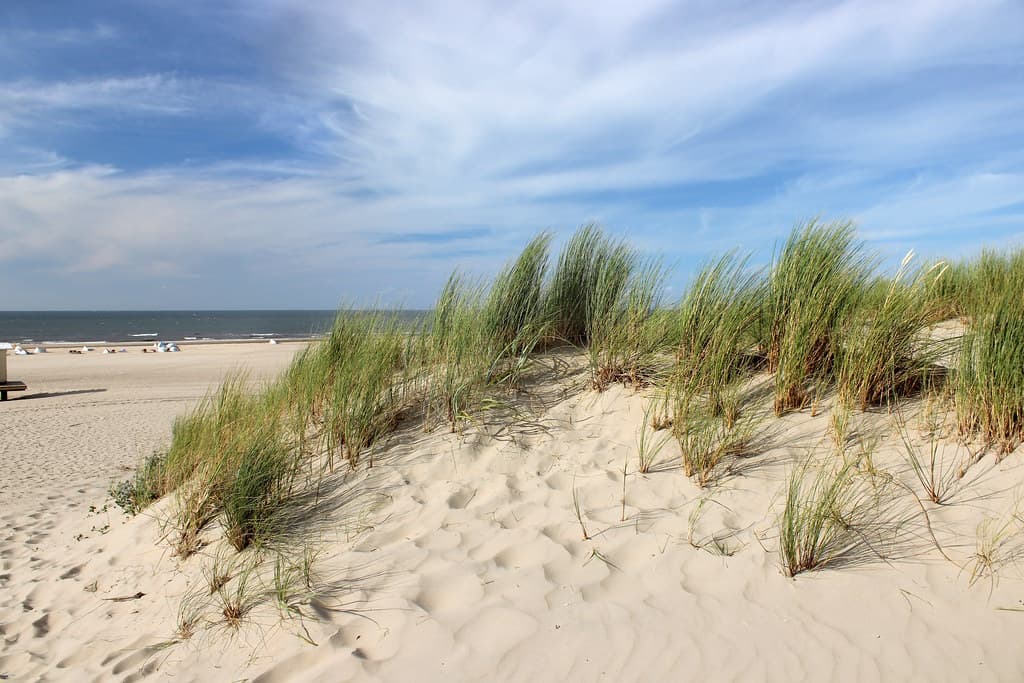
Wide white-sand beach with footprints
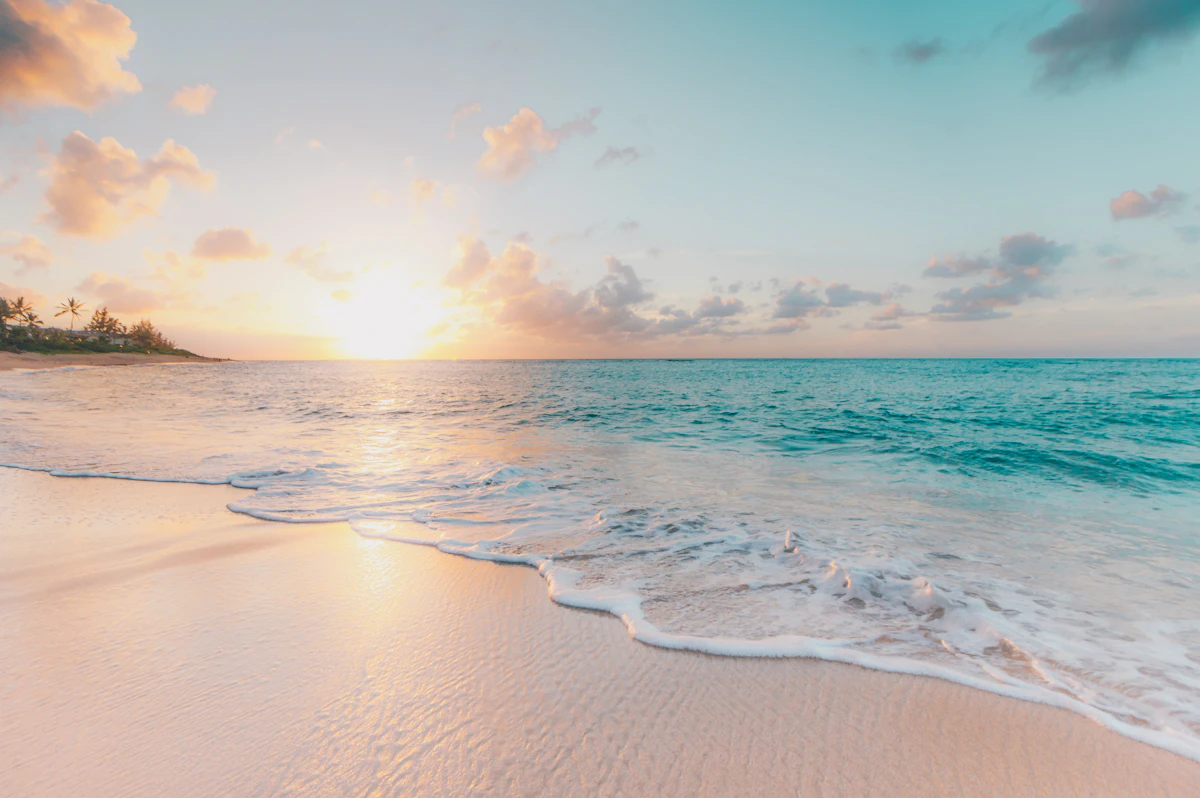
Cliff-edge cove with emerald water
Explore vast sand plain
Unique landscapes
Observe marine life
Prime Visitation
Less Crowds
Where it is
Vliehors Quiet Beach
Oost-Vlieland, Friesland, Netherlands
53.255500°, 4.970500°
Weather
Loading…
Swell
—
Temp
Warm · Restorative
UV Index
Moderate
Wind
—
Tidal State
Last known
Max Sunlight
—
Ideal Shade
—
May - Sep (Peak)
Jan - Dec (Off-season)
Historical data suggests peak visibility and stable sea temperatures occur during the prime visitation window.
Select a category to load nearby places.
Unlock restaurants, luxury stays and curated maritime experiences within 2km
Vliehors Quiet Beach is known for its remote and natural character. While generally safe, it's important to note that this is a less developed area. Lifeguard presence may be limited or non-existent, especially outside of peak season. Swimmers should exercise caution, be aware of currents, and avoid swimming alone. Always check local conditions and advisories before entering the water, as the Wadden Sea environment can be dynamic.
To experience Vliehors Quiet Beach with the fewest crowds, consider visiting during the shoulder seasons (spring or early autumn) or on weekdays outside of school holidays. As a remote area, it naturally attracts fewer visitors than more developed beaches. However, for true solitude, aim for cooler days or early mornings/late afternoons. The 'less crowds' tag suggests it's generally a peaceful destination, but avoiding peak summer weekends will enhance the quiet experience.
Accessing Vliehors Quiet Beach requires reaching the island of Vlieland first, typically by ferry from Harlingen. Once on Vlieland, the Vliehors is a vast, sandy plain on the western tip. It's often reached by a special 'Vliehors Express' truck, which traverses the sand flats. Private vehicle access is restricted. Biking or walking long distances across the sand can be challenging. It's advisable to check the Vliehors Express schedule and departure points in advance.
Due to its remote and natural designation, Vliehors Quiet Beach itself does not have direct food or lodging facilities. Visitors should plan to bring their own provisions, including water and snacks. Accommodation and dining options are available in Oost-Vlieland, the main village on the island. It's recommended to arrange your stay and meals there and plan your visit to the Vliehors as a day trip, ensuring you have everything you need for the duration.
Vliehors Quiet Beach stands out due to its extreme remoteness and vast, untouched natural landscape. It's often referred to as the 'Sahara of the North' because of its expansive sand flats, which are constantly shaped by wind and tide. This area is a designated nature reserve, offering a unique sense of solitude and wilderness rarely found at other Dutch beaches. Its dynamic environment and the special transport required to reach it contribute to its distinctive character.
Photos