
Counting the waves…
Counting the waves…
A refined fusion of water purity, environmental stability, and communal vibrancy for Verdronken Zwarte Polder Beach.
View MethodologyAnalyzed via live sensors and environmental data.
Wave height, wind, and atmospheric stability.
Live footfall and crowd balance metrics.
Community reviews and curated sentiment.
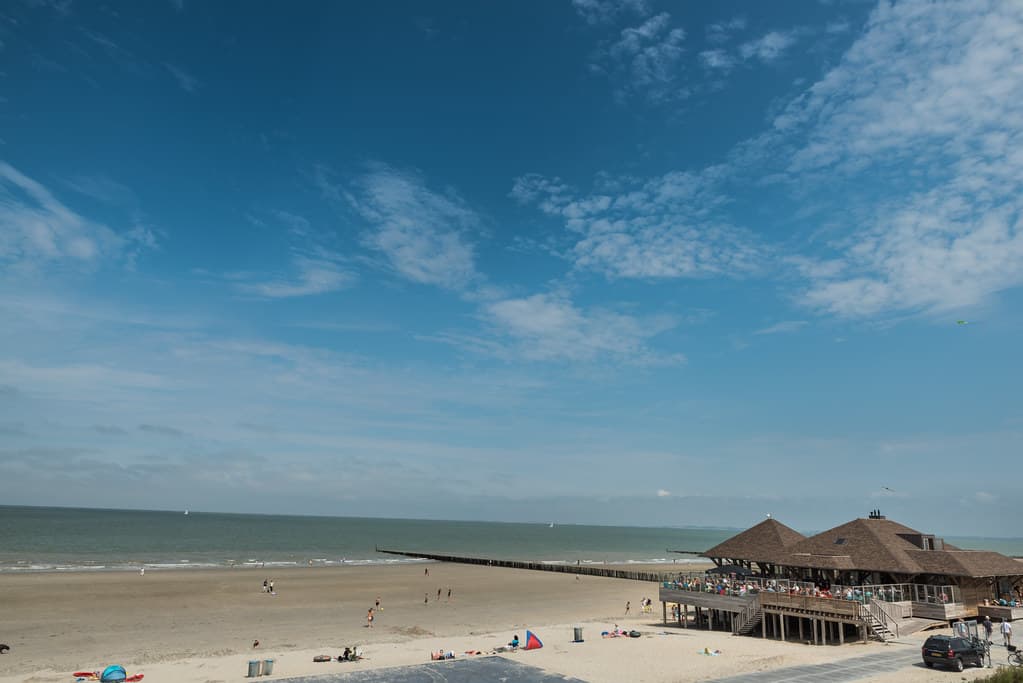
“Step into a landscape shaped by time and tide at Verdronken Zwarte Polder Beach, a captivating natural reserve near Cadzand. This isn't just a beach; it's a living ecosystem where the North Sea constantly reclaims and…”
Limited recent visitor reports — live OBI telemetry is your best guide for current conditions.
Verdronken Zwarte Polder Beach offers an experience unlike any other on the Zeeland coast. This dynamic natural reserve, literally meaning 'Drowned Black Polder,' is a testament to the powerful interplay between land and sea. Here, the North Sea has reclaimed a polder, creating a unique landscape of saltwater marshes, mudflats, and a wide, sandy beach.
The beach itself is a treasure trove for fossil hunters, particularly renowned for its abundance of fossilized shark teeth, washed ashore from ancient seabeds. Spend your time combing the sand, and you might just unearth a relic from millions of years ago. Beyond the fossils, the area is a vital habitat for numerous bird species, making it a prime location for birdwatching, especially during migration periods.
Crystal lagoon with rocky outcrop
White cliffs over a desert beach
Explore diverse habitats
Spot migratory species
Search for shark teeth
Prime Visitation
Less Crowds
Where it is
Verdronken Zwarte Polder Beach
Cadzand, Zeeland, Netherlands
51.374800°, 3.410300°
Weather
Loading…
Swell
—
Temp
Warm · Restorative
UV Index
Moderate
Wind
—
Tidal State
Last known
Max Sunlight
—
Ideal Shade
—
May - Sep (Peak)
Jan - Dec (Off-season)
Historical data suggests peak visibility and stable sea temperatures occur during the prime visitation window.
Select a category to load nearby places.
Unlock restaurants, luxury stays and curated maritime experiences within 2km
Verdronken Zwarte Polder Beach is generally suitable for swimming, but as a natural reserve, it might not have the same level of infrastructure (like lifeguards) as more developed beaches. Visitors should be aware of natural currents and tides. The beach is renowned for fossil hunting, particularly shark teeth, so be mindful of the natural environment and any specific reserve rules regarding collection. Always check local safety information.
To best experience the natural beauty and tranquility of Verdronken Zwarte Polder Beach, visiting during the 'less crowds' periods is ideal. This typically means the shoulder seasons (spring and autumn) or on weekdays outside of school holidays. Even during summer, arriving early in the morning can offer a more solitary experience for nature walks and fossil hunting before more visitors arrive. The reserve is beautiful year-round.
Verdronken Zwarte Polder Beach is located near Cadzand in Zeeland. Access is primarily by car, with designated parking areas available in the vicinity of the nature reserve. From the parking, it's usually a short walk through the reserve to reach the beach. Parking fees may apply, especially during peak season. Public transport options might be limited, so driving is generally recommended for convenience.
While Verdronken Zwarte Polder Beach itself is a natural reserve, the nearby town of Cadzand offers a good range of dining and lodging options. You'll find various restaurants, beach pavilions, cafes, and accommodations, from hotels to holiday parks and apartments. Many establishments are within a short driving distance. For a wider selection, the broader Zeeland Delta Coast region provides ample choices, catering to different preferences.
Verdronken Zwarte Polder Beach is unique because it's a designated 'natural reserve,' offering a pristine and untouched coastal landscape. It's famous for its geological significance, particularly as a prime spot for finding fossilized shark teeth. This blend of scenic beauty, rich biodiversity, and historical remnants makes it a fascinating destination for nature lovers, geologists, and those seeking a truly wild beach experience away from commercial development.
Photos