

You'll drive through farmland dotted with grazing cattle before the road drops toward the coast and suddenly the Pacific fills your windscreen—a vast canvas of blue stitched to the horizon. The beach runs in both directions from the access points, a ribbon of blonde sand backed by low dunes and hardy coastal vegetation. At low tide, the shore widens dramatically, revealing tide pools trapped in shallow depressions where children crouch to examine darting fish and hermit crabs.
“This beach delivers the full holiday experience—space, surf, views—yet remains surprisingly uncrowded compared to its famous neighbors.”
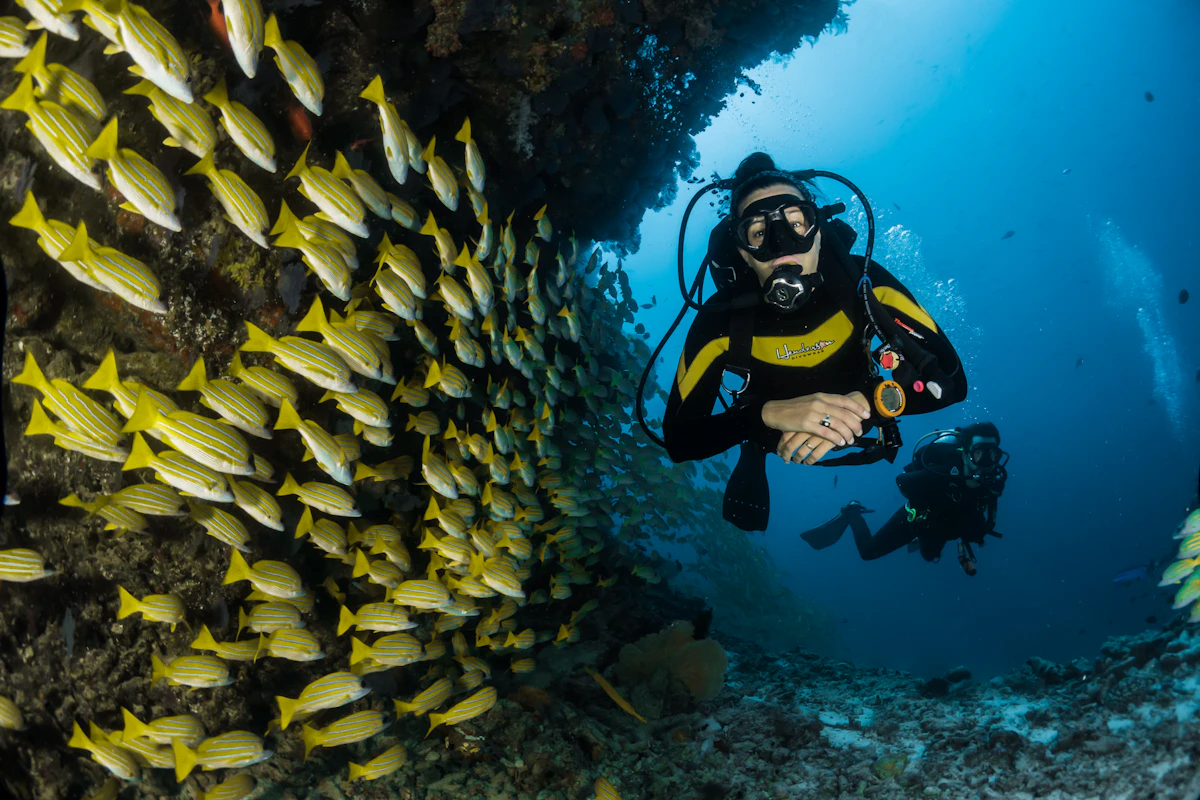 Credit: Unsplash
Palm trees framing a sunset shore
The surf here rolls in with dependable energy, breaking over sandbars that create multiple peaks along the beach's length. You'll see learners wobbling to their feet on soft-top boards near the patrol flags, while more experienced surfers paddle further out to where the sets stack up with cleaner faces. Between waves, you float on your board and scan the coastline—the forested ranges of Motu inland, the curve of Ōhope Beach visible in the western distance, fishing boats working the deeper water beyond the break.
Late afternoon brings the best light, when the sun angles across the bay and paints the water in shades of amber and copper. Families pack up their umbrellas and coolers, shaking sand from towels, while a handful of surfers stay for the evening glass-off. You walk the firm sand near the water's edge, footprints filling with foam behind you, and watch the sky bleed pink above the offshore islands. The drive back to Ōpōtiki takes ten minutes, but the salt air clings to your skin for hours.


