Counting the waves…
Counting the waves…
A refined fusion of water purity, environmental stability, and communal vibrancy for Waiapu Beach.
View MethodologyAnalyzed via live sensors and environmental data.
Wave height, wind, and atmospheric stability.
Live footfall and crowd balance metrics.
Community reviews and curated sentiment.
“The East Coast's longest river empties here in a slow brown fan, depositing sediment and stories. You'll share the sand with horses, the occasional ute parked above the tideline, and a horizon unbroken by buildings.”
Limited recent visitor reports — live OBI telemetry is your best guide for current conditions.
The beach stretches north and south of the river mouth, a rumpled ribbon of grey-blonde sand that shifts shape with every flood. Logs the size of power poles lie tumbled in the wrack line, testimony to the Waiapu's muscle when the rains come. The water is never blue—the river sees to that, carrying pulverized mountains seaward—but on calm days you can wade the shallows, feeling silt compress between your toes and the current tug your calves.
Ruatoria sits a few kilometers inland, a service town for the surrounding valleys, and the beach serves as its lungs. Locals drive down on weekends, park above the high-tide mark, and let their horses canter through the shorebreak. There are no cafés or surf shops, no rental umbrellas or lifeguard flags. Bring what you need: food, fresh water, sunscreen. The nearest dairy is back in town, and cellphone reception is a negotiation.
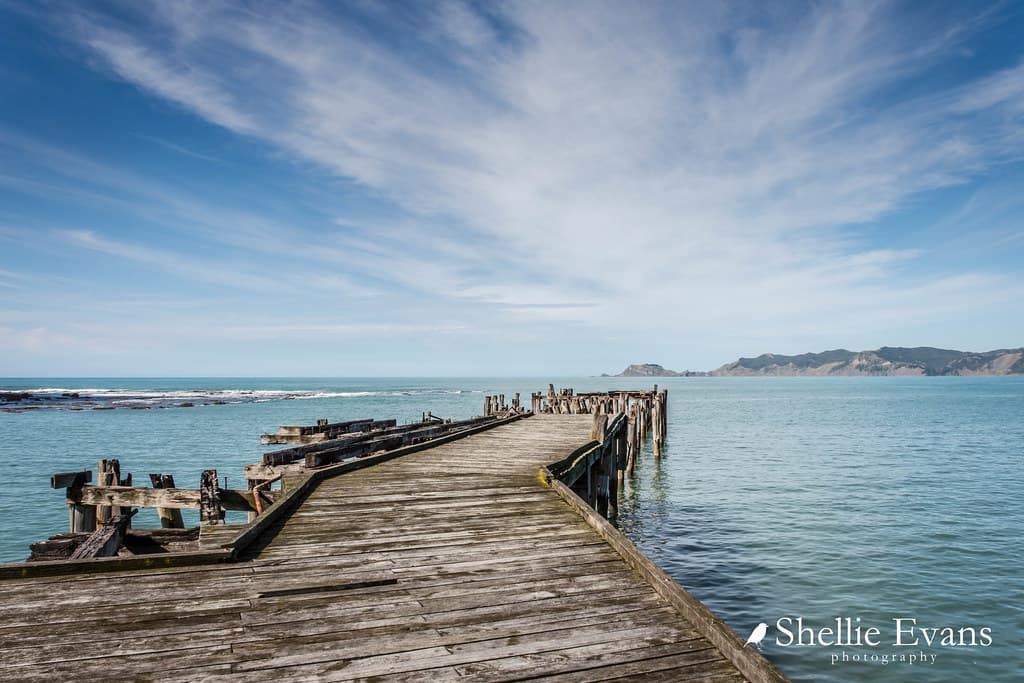
Long-tail boats moored in clear water
Crystal lagoon with rocky outcrop
Driftwood fields, shifting channels
Ochre river meeting blue ocean
Silty currents, family-friendly
Prime Visitation
Best Weather|Budget Travel
Where it is
Waiapu Beach
Ruatoria, Gisborne / Tairāwhiti, New Zealand
-37.985900°, 178.348900°
Weather
Loading…
Swell
—
Temp
Warm · Restorative
UV Index
Moderate
Wind
—
Tidal State
Last known
Max Sunlight
—
Ideal Shade
—
Jan - Dec (Peak)
Mar - Nov (Off-season)
Best Weather|Budget Travel
Select a category to load nearby places.
Unlock restaurants, luxury stays and curated maritime experiences within 2km
Waiapu Beach is situated near the Waiapu River mouth, which means currents and conditions can be unpredictable, especially where fresh and salt water meet. Swimming safety varies with tides, river flow, and weather conditions. The beach is remote and has no lifeguard services, so swimmers must be self-reliant and cautious. Families should supervise children closely and avoid the river mouth area where currents are strongest. Calmer days and areas away from the main channel offer safer paddling opportunities. Always assess conditions carefully and stay within your comfort zone given the isolation of the location.
Summer (December-February) offers the most reliable weather for visiting Waiapu Beach, with warmer temperatures and calmer seas typical of the season. However, this remote East Coast location can be visited year-round by adventurous travellers. Spring and autumn provide mild conditions with fewer visitors, ideal for those seeking solitude. Winter brings rougher seas and cooler weather but can offer dramatic coastal scenery. Budget travellers may find better accommodation deals outside peak summer. The remote location means services are limited regardless of season, so come prepared with supplies and check road conditions, especially after rain.
Waiapu Beach is accessed via State Highway 35 (the East Cape Road), approximately 170 kilometres north of Gisborne—about a 2.5-hour drive through remote, winding coastal and inland roads. From Ruatoria township, follow local roads toward the coast and Waiapu River mouth. The journey requires a reliable vehicle, sufficient fuel (stations are sparse), and patience with narrow, twisting sections. The road is sealed but remote, with limited mobile coverage in areas. Allow extra time and enjoy the spectacular scenery. In winter or after heavy rain, check road conditions as slips can occur.
Waiapu Beach is in a remote rural area with very limited commercial facilities. Ruatoria, the nearest town about 15-20 minutes away, has basic supplies including a small supermarket and takeaway food, but options are modest. Accommodation in the area is limited to occasional holiday homes, farm stays, or camping rather than hotels. Many visitors bring camping gear and supplies from Gisborne. The small settlement of Te Araroa further along the coast has slightly more visitor facilities. This is a remote destination requiring self-sufficiency—bring food, water, and essentials with you.
Waiapu Beach holds deep cultural significance as it sits near the mouth of the Waiapu River, which is sacred to local Māori iwi (tribes) and central to the region's history and identity. The area is part of the traditional homeland of Ngāti Porou, one of New Zealand's largest Māori tribes. The river and coastline feature prominently in local stories, whakapapa (genealogy), and traditions. For visitors, this is an opportunity to experience an authentic, less-touristed part of New Zealand's East Coast, where Māori culture remains vibrant and the landscape retains a remote, untouched character.
Photos