Counting the waves…
Counting the waves…
A refined fusion of water purity, environmental stability, and communal vibrancy for Waiomatatini Beach.
View MethodologyAnalyzed via live sensors and environmental data.
Wave height, wind, and atmospheric stability.
Live footfall and crowd balance metrics.
Community reviews and curated sentiment.
“Named for the river that cuts through farmland to reach the ocean, Waiomatatini Beach is where East Coast locals go when they just want to be at the beach—no ceremony required.”
Limited recent visitor reports — live OBI telemetry is your best guide for current conditions.
The beach reveals itself past a stand of macrocarpa windbreaks, the kind that mark every East Coast farm boundary. Waiomatatini's sand runs dark and wide, punctuated by driftwood logs large enough to shelter behind when the afternoon wind kicks up from the southwest. Families park their utes at the informal access point and unload chilly bins, buckets, dogs on leads that'll be off-lead within five minutes.
The river mouth shifts with every big rain, carving new channels through the sand and leaving behind lagoons shallow enough for toddlers. You'll see kids with hand nets chasing whitebait in spring, and teenagers daring each other into the cold ocean even in October. The water temperature here rarely climbs above sixty-five degrees—fed by mountain runoff from the ranges behind Ruatoria—but that doesn't stop the regulars.
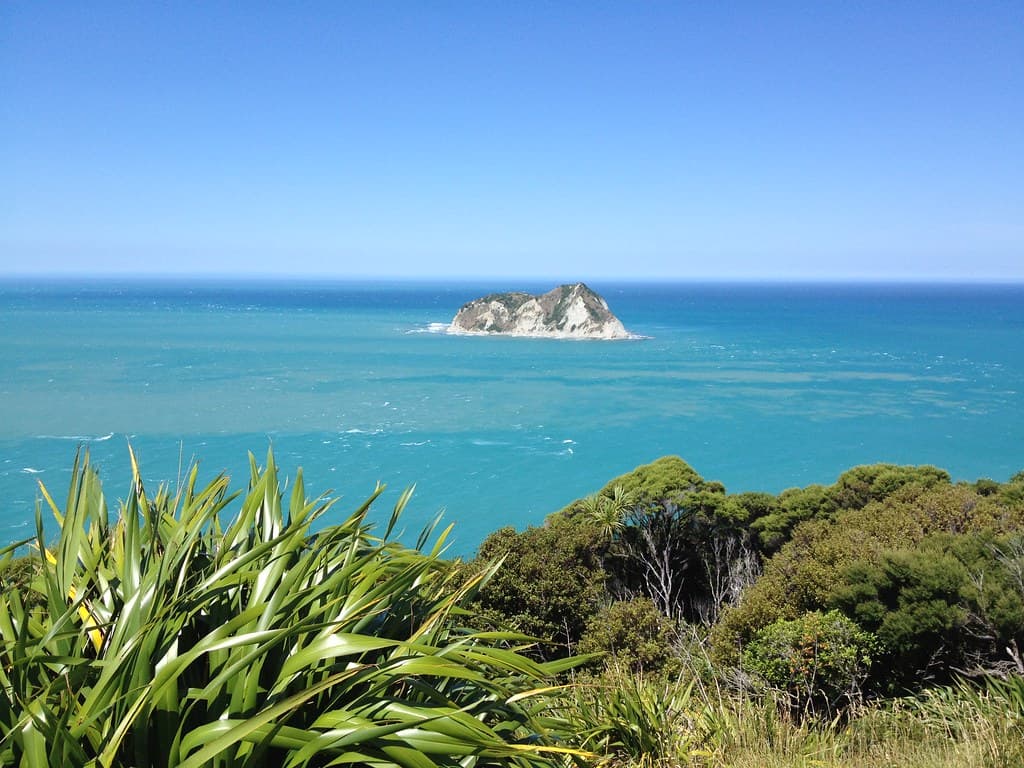
Aerial view of turquoise tropical bay
Wide white-sand beach with footprints
Warmer than ocean sections
Driftwood and bird watching
Classic Kiwi beach BBQ
Prime Visitation
Best Weather|Budget Travel
Where it is
Waiomatatini Beach
Ruatoria, Gisborne / Tairāwhiti, New Zealand
-37.897900°, 178.413800°
Weather
Loading…
Swell
—
Temp
Warm · Restorative
UV Index
Moderate
Wind
—
Tidal State
Last known
Max Sunlight
—
Ideal Shade
—
Jan - Dec (Peak)
Mar - Nov (Off-season)
Best Weather|Budget Travel
Select a category to load nearby places.
Unlock restaurants, luxury stays and curated maritime experiences within 2km
Waiomatatini Beach can be suitable for families, though standard East Cape precautions apply. The beach is unpatrolled with no lifeguard services, so swimming should be approached cautiously. Strong currents and changing surf conditions are possible along this coast. Only confident swimmers should venture into deeper water, and children must be supervised closely at all times. Swimming is safest during calm conditions in shallow areas. The remote location means emergency services would take time to arrive. Many families enjoy the beach for paddling, beach walks, and scenery rather than serious swimming. Always assess conditions carefully before entering the water.
Summer months (December to February) offer the best weather conditions for visiting Waiomatatini Beach, with warmer temperatures and more settled seas. This period is ideal for family beach activities and exploring the coastline. Shoulder seasons of late spring (November) and early autumn (March-April) can provide pleasant weather with even fewer visitors. The remote East Cape location ensures the beach rarely feels crowded regardless of season. Budget travellers may find shoulder seasons particularly appealing with comfortable weather and minimal tourist infrastructure meaning low costs. Winter brings cooler temperatures and rougher conditions but maintains the beach's scenic appeal for hardy visitors.
Waiomatatini Beach is accessed from the Ruatoria area via local roads connecting to State Highway 35. A private vehicle is essential as public transport doesn't serve this remote region. From Ruatoria, follow signs toward Waiomatatini settlement, then navigate local roads to the coast. Roads may be narrow, winding, and partly unsealed, requiring careful driving and extra travel time. Ensure adequate fuel before departing as service stations are limited in the East Cape. The journey provides scenic views of rural East Cape landscapes. Check local road conditions, particularly after heavy rainfall which can affect unsealed sections.
Accommodation and dining options near Waiomatatini Beach are minimal. Ruatoria, the nearest town, offers basic services including a small supermarket, takeaway food outlets, and limited accommodation such as motels and homestays. Visitors should plan to bring food supplies from larger centres or stock up in Ruatoria before heading to the beach. There are no restaurants or cafes at the beach itself. Many visitors exploring this remote area travel with camping equipment or in self-contained vehicles. The isolated nature of the location means advance planning for meals and overnight stays is essential, particularly during summer months.
Waiomatatini Beach offers authentic local character and deepens the East Cape coastal experience beyond more well-known spots. Its connection to the small Waiomatatini settlement provides insight into rural Māori community life rarely encountered by tourists. The sandy beach maintains the region's characteristic remote beauty while offering more accessible family-friendly features than rockier alternatives. Its relative obscurity ensures exceptional solitude even by East Cape standards. The beach represents an opportunity to explore beyond typical tourist routes and experience genuine New Zealand coastal culture. For travellers seeking comprehensive East Cape exploration, Waiomatatini adds valuable local perspective to the journey.
Photos