Whangara · Gisborne / Tairāwhiti · New Zealand
Whangara Beach
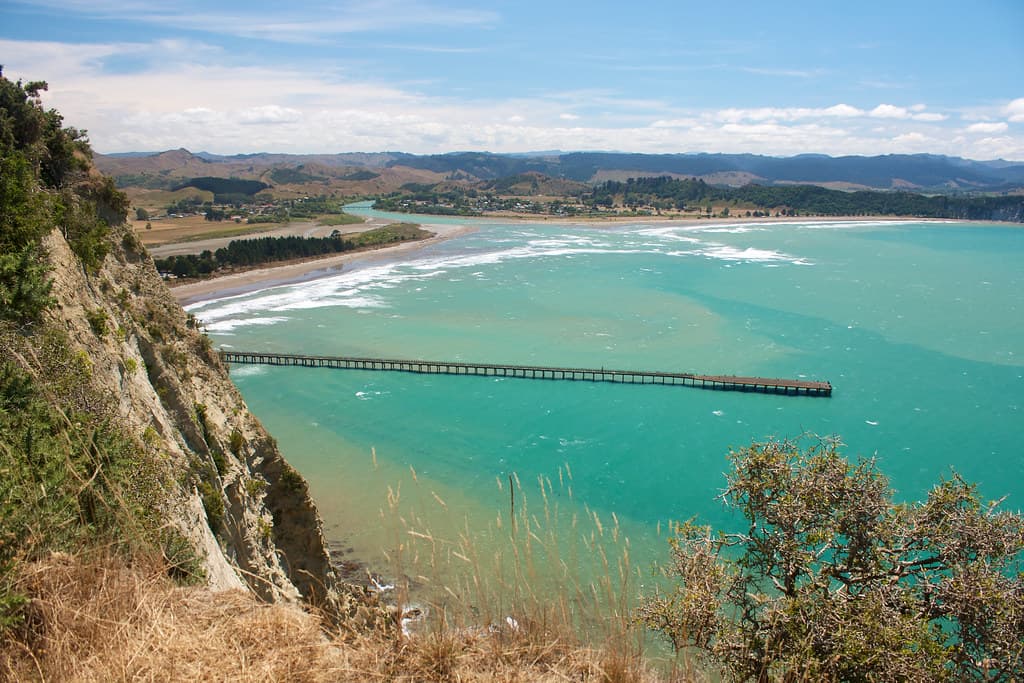
Whangara's shore stretches beneath the village marae, where every wave and stone holds genealogy. The beach curves gently, a grey-sand arc framed by green headlands, and the presence of tīpuna—ancestors—feels tangible in the wind and the rhythm of the tide.
Reading live conditions…
Live from Open-Meteo · sea surface temperature and wave data modelled at 1-km grid resolution for Whangara Beach. Numbers refresh at the hourly tick.
- Purity
- 0%
- Conditions
- 0%
- Crowd
- 0%
- Vibe
- 0%
The OnlyBeaches Index weighs four pillars against your chosen persona. Purity comes from water clarity and air-quality heuristics; Conditions from Open-Meteo waves, wind and temperatures; Crowd from historical patterns; Vibe from nearby events within 50 km. The score rebalances throughout the day.
Whangara's shore stretches beneath the village marae, where every wave and stone holds genealogy. The beach curves gently, a grey-sand arc framed by green headlands, and the presence of tīpuna—ancestors—feels tangible in the wind and the rhythm of the tide.
Photos
8 captures from Whangara Beach
About this beach
Where it is
Whangara Beach
Whangara, Gisborne / Tairāwhiti, New Zealand
-38.4253°, 178.2664°
Top things to do
At Whangara Beach
Dawn reflections
Marae, headlands, mirror-calm bay
Coastal footpaths
Village to point, gentle grade
Respectful swims
Local beach, mindful presence
Contemplative afternoons
Quiet sand, storied shoreline
Near this beach
Places, rentals, tours and events within walking and driving distance of Whangara Beach.
Questions people actually ask about Whangara Beach.
Is Whangara Beach safe for swimming?
Whangara Beach is an unpatrolled beach where swimming conditions depend on weather and ocean swell. The beach can be suitable for swimming during calm conditions, but caution is essential as currents and surf can be unpredictable. Families should supervise children closely and assess conditions before entering the water. Local knowledge is valuable for understanding safe swimming areas. The beach is exposed to open ocean swells from the east, which can create stronger currents. Always check weather forecasts and only swim within your capabilities and experience level.
When is the best time to visit Whangara Beach?
Summer months from December through March offer the best weather for visiting Whangara Beach, with warmer temperatures and generally calmer seas. This period is ideal for beach activities, though the beach rarely becomes crowded given its remote location. Autumn (April-May) can also provide pleasant conditions with mild weather. The shoulder seasons offer the advantage of even greater solitude. Winter visits are possible but expect cooler temperatures and potentially rougher seas. For cultural experiences, visiting during times when community events occur can provide deeper insights into this significant Māori village.