Counting the waves…
Counting the waves…
A refined fusion of water purity, environmental stability, and communal vibrancy for Santoft Beach.
View MethodologyAnalyzed via live sensors and environmental data.
Wave height, wind, and atmospheric stability.
Live footfall and crowd balance metrics.
Community reviews and curated sentiment.
“You'll drive past dairy pastures and weathered baches to reach this no-frills stretch of the Manawatū coast. The sand here runs dark with mineral deposits, and the horizon refuses to yield anything but ocean and sky.”
Limited recent visitor reports — live OBI telemetry is your best guide for current conditions.
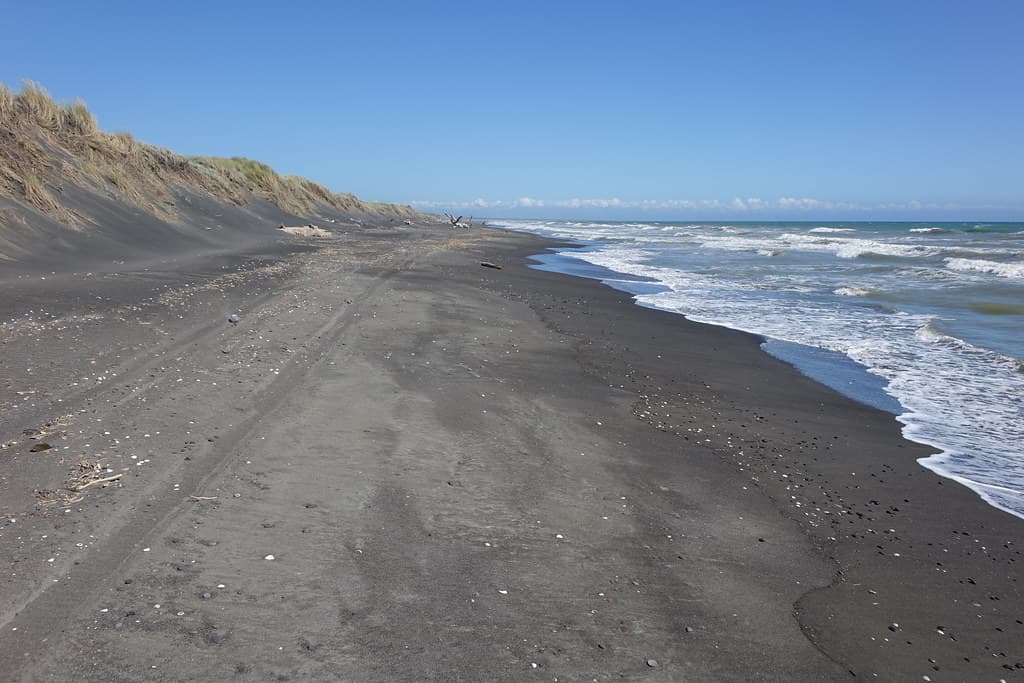
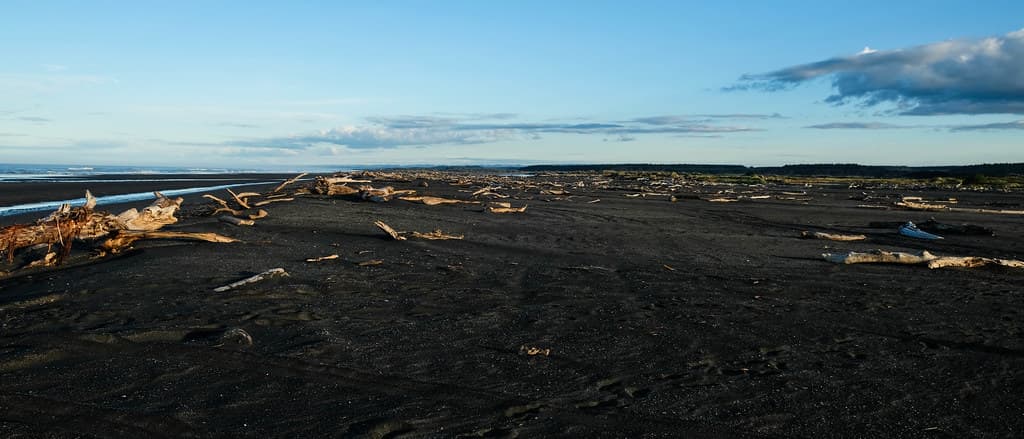
The gravel access road ends at a cluster of modest holiday homes, and beyond them the beach unfurls in both directions—flat, exposed, and honest in its lack of amenities. No surf lifesavers patrol this sand. No cafés punctuate the dune line. What you get instead is kilometres of open coast where marram grass bends in the prevailing westerly and driftwood logs mark the high-tide debris line.
The iron content in the sand lends it a gunmetal sheen when wet, especially striking at dusk when the sun drops behind the Tasman and ignites the sky in bands of amber and violet. Locals from nearby farms arrive with fishing rods, staking positions where channels cut through the sandbars. You'll hear oystercatchers before you spot them—their high, piping calls carrying across the flats.
Tropical island lagoon from above
Miles of unbroken sand
Tasman horizons ignite daily
Raw swells for experienced riders
Prime Visitation
Less Crowds|Budget Travel
Where it is
Santoft Beach
Santoft, Manawatū-Whanganui, New Zealand
-40.191800°, 175.185400°
Weather
Loading…
Swell
—
Temp
Warm · Restorative
UV Index
Moderate
Wind
—
Tidal State
Last known
Max Sunlight
—
Ideal Shade
—
Jan - Dec (Peak)
Mar - Nov (Off-season)
Less Crowds|Budget Travel
Select a category to load nearby places.
Unlock restaurants, luxury stays and curated maritime experiences within 2km
Santoft Beach is a remote, unpatrolled west coast beach where swimming conditions can be hazardous. The beach experiences typical west coast surf, strong currents, and rips that pose risks for swimmers. There are no lifeguard services or safety facilities. The sparse, rural nature means help is not readily available in emergencies. Swimming is generally not recommended unless you're an experienced ocean swimmer familiar with surf beach conditions. Paddling in very shallow water on calm days may be safer, but always exercise extreme caution. The beach is better suited for walking, beachcombing, and enjoying the natural scenery than swimming.
Santoft Beach can be visited year-round, with each season offering different appeals. Summer provides the warmest weather for beach exploration, though this remote beach remains uncrowded even in peak season. The west coast position makes it exceptional for sunset viewing throughout the year. Spring and autumn offer comfortable conditions for walking the sparse sand coast. Winter brings dramatic coastal scenery and powerful seas, ideal for photographers seeking rugged landscapes. Because Santoft is off typical tourist routes, you'll find solitude and space whenever you visit. Budget travellers appreciate that the beach requires no entry fees and has minimal commercial development.
Santoft Beach is located on the rural coast between Turakina and Tangimoana in the Manawatū-Whanganui region. Access is via rural roads heading west from State Highway 1. The exact route depends on your starting point, but generally involves turning west between Bulls and Sanson toward the coast. Roads are sealed but rural and quiet. The beach is not heavily signposted as it's primarily known to locals. A reliable map or GPS is recommended. Parking is informal near beach access points. You'll need a private vehicle as there's no public transport to this remote location. The isolation is part of its appeal.
Santoft Beach has virtually no facilities, reflecting its sparse, rural character. There are no shops, restaurants, cafes, or formal accommodation establishments at the beach. The area consists mainly of scattered private properties and rural land. Visitors must be completely self-sufficient, bringing all food, water, and supplies from larger towns like Bulls, Feilding, or Palmerston North. There may be basic beach access but don't expect toilets, parking facilities, or other amenities. This extreme remoteness appeals to budget travellers and those seeking wilderness beach experiences, but requires advance planning and preparation.
Santoft Beach is frequently omitted from standard beach guides because it lacks the infrastructure, facilities, and name recognition of more developed beaches. Its location between better-known beaches like Turakina and Tangimoana, combined with minimal services and difficult access, makes it less appealing for casual tourists. There's no commercial development, accommodation, or clear tourist amenities. However, this is precisely what makes Santoft special for adventurous travellers seeking authentic, unspoiled coastal experiences. The sparse, rural sand coast offers solitude and natural beauty without crowds. It represents a genuine hidden gem for those willing to venture off typical tourist routes.
Photos