
Counting the waves…
Counting the waves…
A refined fusion of water purity, environmental stability, and communal vibrancy for Aramoana Beach.
View MethodologyAnalyzed via live sensors and environmental data.
Wave height, wind, and atmospheric stability.
Live footfall and crowd balance metrics.
Community reviews and curated sentiment.
“Aramoana sprawls along the harbour's edge in a sweep of iron-grey sand, backed by dunes that ripple like frozen waves. The wind is sharp, the light is pewter, and seabirds wheel overhead in numbers that feel biblical.”
Limited recent visitor reports — live OBI telemetry is your best guide for current conditions.
You arrive at the carpark and the wind hits you immediately, cold and loaded with salt. Aramoana stretches north and south, a long corridor of sand where the harbour empties into the Pacific and the currents churn white over the submerged mole. The dunes behind you are tall and tufted with spinifex, sculpted into ridges that shift every winter. Godwits probe the wet sand near the waterline, unbothered by your approach.
The light here is singular—pale, diffused, the kind that makes distances hard to judge. Across the harbour mouth, the Otago Peninsula rises in dark folds, and if you're lucky, you'll spot a northern royal albatross soaring low over the waves, wings locked, riding the thermals with mechanical precision. The beach itself is wide and flat at low tide, the sand hard-packed enough to walk for miles without sinking.
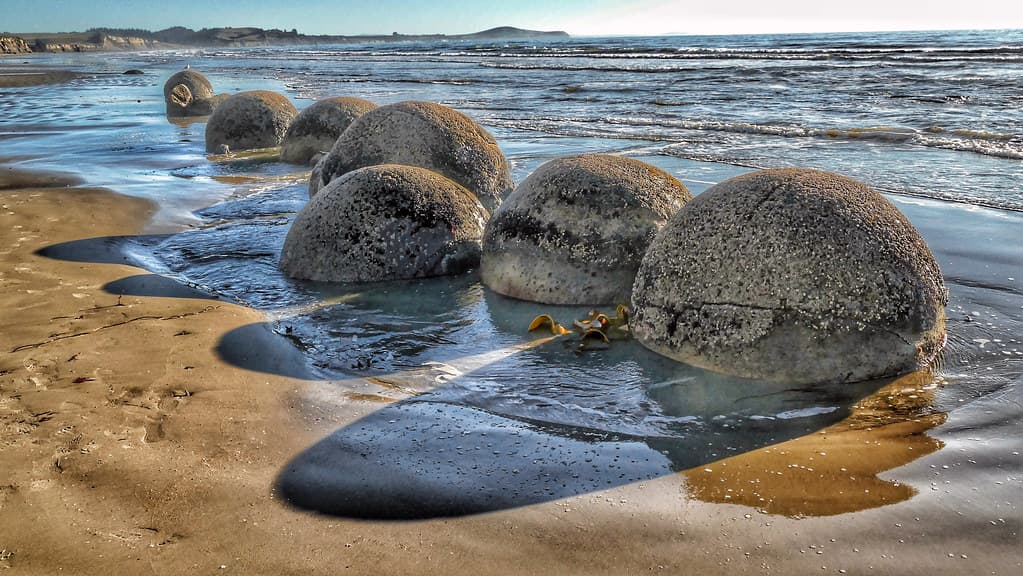
landscape photography of seashore and cave
brown wooden posts on beach during daytime
Harbour-mouth gliding giants
Views across to peninsula
Miles of firm sand
Prime Visitation
Best Weather|Less Crowds
Where it is
Aramoana Beach
Dunedin, Otago, New Zealand
-45.774700°, 170.703100°
Weather
Loading…
Swell
—
Temp
Warm · Restorative
UV Index
Moderate
Wind
—
Tidal State
Last known
Max Sunlight
—
Ideal Shade
—
Jan - Dec (Peak)
Mar - Nov (Off-season)
Best Weather|Less Crowds
Select a category to load nearby places.
Unlock restaurants, luxury stays and curated maritime experiences within 2km
Aramoana Beach sits at the mouth of Otago Harbour where ocean meets harbour waters, creating variable conditions. The beach is unpatrolled, and swimming safety depends greatly on tides, currents, and weather. The harbour side tends to be calmer than the ocean side, making it more suitable for families and less confident swimmers. Strong currents can occur, especially near the harbour entrance. Always check local conditions, swim during calm weather, stay within your depth, and supervise children closely. Cold water temperatures year-round mean shorter swimming sessions are advisable.
Summer months (December through February) offer the warmest weather and best conditions for beach activities at Aramoana. However, the beach is accessible and enjoyable year-round. Sunset is particularly spectacular, as the beach faces west across the harbour entrance, making it popular with photographers and couples. Visit during less crowded off-peak seasons for more solitude. Early morning walks offer excellent birdwatching opportunities. Low tide exposes more beach for exploration. Check tide times in advance, and dress in layers as coastal winds can be brisk even on sunny days.
Aramoana Beach is approximately 27 kilometers north of central Dunedin, about a 30-minute drive. Follow State Highway 88 north through Port Chalmers, then take Aramoana Road. The road is sealed and suitable for all vehicles. There is parking available near the beach. Public transport options are limited, so most visitors arrive by private car or rental vehicle. Some tour operators include Aramoana in Otago Peninsula itineraries. The drive itself is scenic, following the harbour coastline with opportunities to stop at other viewpoints along the way.
Aramoana is a small settlement with limited commercial facilities. There's a local shop for basic supplies, but proper dining options are scarce. Port Chalmers, about 10 minutes' drive south, offers cafes, restaurants, and pubs. For wider choices, return to Dunedin city. Accommodation in Aramoana itself is very limited, mostly private holiday homes. Port Chalmers has some B&Bs and motels, while Dunedin offers the full range of hotels, motels, and backpackers. It's best to base yourself in Dunedin and visit Aramoana as a day trip.
Aramoana Beach is excellent for wildlife watching, particularly birds. The beach and nearby saltmarsh and dunes attract numerous seabirds, shorebirds, and waders, making it popular with birdwatchers. You may spot oystercatchers, gulls, terns, and seasonal migrants. Occasional New Zealand fur seals and sea lions rest on the beach—observe from a respectful distance and never approach or disturb them. Dolphins sometimes visit the harbour entrance. The diverse habitats around Aramoana support rich biodiversity. Bring binoculars for the best viewing experience and check local wildlife guidelines before visiting.
Photos