Counting the waves…
Counting the waves…
A refined fusion of water purity, environmental stability, and communal vibrancy for Doughboy Bay Beach.
View MethodologyAnalyzed via live sensors and environmental data.
Wave height, wind, and atmospheric stability.
Live footfall and crowd balance metrics.
Community reviews and curated sentiment.
“Doughboy Bay arcs for nearly a kilometer, hemmed by tussock dunes and the kind of surf that never quite settles. You'll earn every step of the view—it lies at the end of a two- or three-day tramp through mud, roots, and…”
Limited recent visitor reports — live OBI telemetry is your best guide for current conditions.
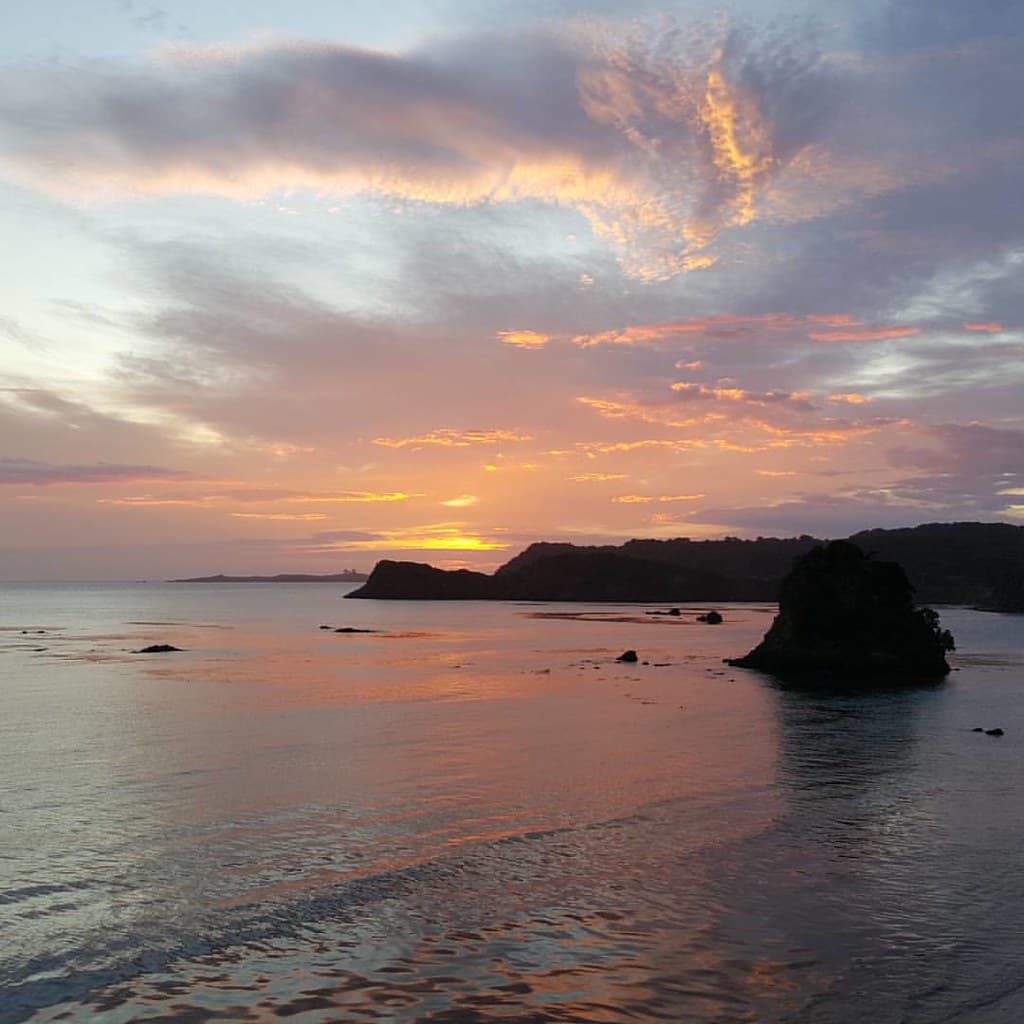
You drop your pack in the wind shadow of the dunes and feel the bass thump of Southern Ocean swells detonating on offshore reefs. The sand here is pale gold, raked clean twice daily by tides that climb halfway to the grass line. Driftwood logs—entire trees, some still trailing root balls—lie jumbled at the high-water mark, bleached silver by salt and sun.
The Rakiura Track deposits day-trippers at the eastern lookout, but the Southern Circuit delivers you right to the beach, legs mud-caked and boots soggy. Tussock hisses in the onshore wind. If you time it right, the late-afternoon light turns the breakers amber and throws long shadows from the headlands. Oystercatchers work the foam line, their orange beaks flashing as they flip stones and probe for pipi.
Cliff-edge cove with emerald water
Palm trees framing a sunset shore
Backcountry track to beach
Yellow-eyed penguin sightings
Bleached logs and tussock
Prime Visitation
Best Weather|Less Crowds
Where it is
Doughboy Bay Beach
Stewart Island / Rakiura, Southland, New Zealand
-47.052000°, 167.805400°
Weather
Loading…
Swell
—
Temp
Warm · Restorative
UV Index
Moderate
Wind
—
Tidal State
Last known
Max Sunlight
—
Ideal Shade
—
Jan - Dec (Peak)
Mar - Nov (Off-season)
Best Weather|Less Crowds
Select a category to load nearby places.
Unlock restaurants, luxury stays and curated maritime experiences within 2km
Swimming at Doughboy Bay is generally not recommended due to strong currents, cold water temperatures, and the beach's extreme remoteness. The Southern Ocean conditions can be unpredictable and dangerous. There are no lifeguards, rescue services are hours away, and the nearest medical facilities are back in Oban. Most visitors enjoy the beach for its wild beauty and beachcombing rather than swimming. Always exercise extreme caution near the water.
The best time to visit is during New Zealand's summer months (December to February) when weather is most stable and daylight hours are longest for tramping. However, conditions remain unpredictable year-round on Stewart Island. Plan for less crowded periods, though visitor numbers are always low due to the remote location. Autumn (March-April) can offer clearer days but shorter daylight. Winter visits require experienced tramping skills and comprehensive preparation for harsh conditions.
Doughboy Bay is accessed via the Southern Circuit, a challenging multi-day tramping track requiring 5-7 days to complete. The track begins from Oban on Stewart Island, which is reached by ferry from Bluff or flight from Invercargill. You'll need to be fully self-sufficient with camping gear, food, and navigation skills. The Department of Conservation manages huts along the route requiring advance booking. This is remote backcountry requiring solid tramping experience.
There are no commercial facilities at Doughboy Bay. Trampers must carry all food and supplies from Oban. The nearest DOC hut is typically Port William Hut, several days' walk away depending on your route. You must be completely self-sufficient. All accommodation and dining options are in Oban village, where you should stock up on supplies before starting the Southern Circuit. Book DOC huts well in advance during peak season.
Doughboy Bay epitomizes Stewart Island's wild southern character, facing directly toward Antarctica with dramatic wave-sculpted coastline. The beach rewards serious trampers with pristine isolation, abundant birdlife including possible kiwi sightings, and stunning sunsets over the Southern Ocean. The sense of remoteness is profound—you've truly earned this view through days of challenging tramping. The bay's untouched wilderness and rugged beauty represent New Zealand backcountry at its most authentic and uncompromising.
Photos