Counting the waves…
Counting the waves…
A refined fusion of water purity, environmental stability, and communal vibrancy for Pokohino Beach.
View MethodologyAnalyzed via live sensors and environmental data.
Wave height, wind, and atmospheric stability.
Live footfall and crowd balance metrics.
Community reviews and curated sentiment.
“You'll earn this beach through a scramble down weathered steps and a final descent where tree roots serve as handholds. What awaits is a cove barely two hundred meters wide, bookended by volcanic outcrops that trap sand…”
Limited recent visitor reports — live OBI telemetry is your best guide for current conditions.
The track begins unassumingly from Pokohino Road, marked by a DOC sign that promises beach access without specifying the effort required. Within minutes the path narrows to single-file, ferns brushing your shoulders, the sound of surf building as you descend through coastal scrub dense enough to block views until the final switchback.
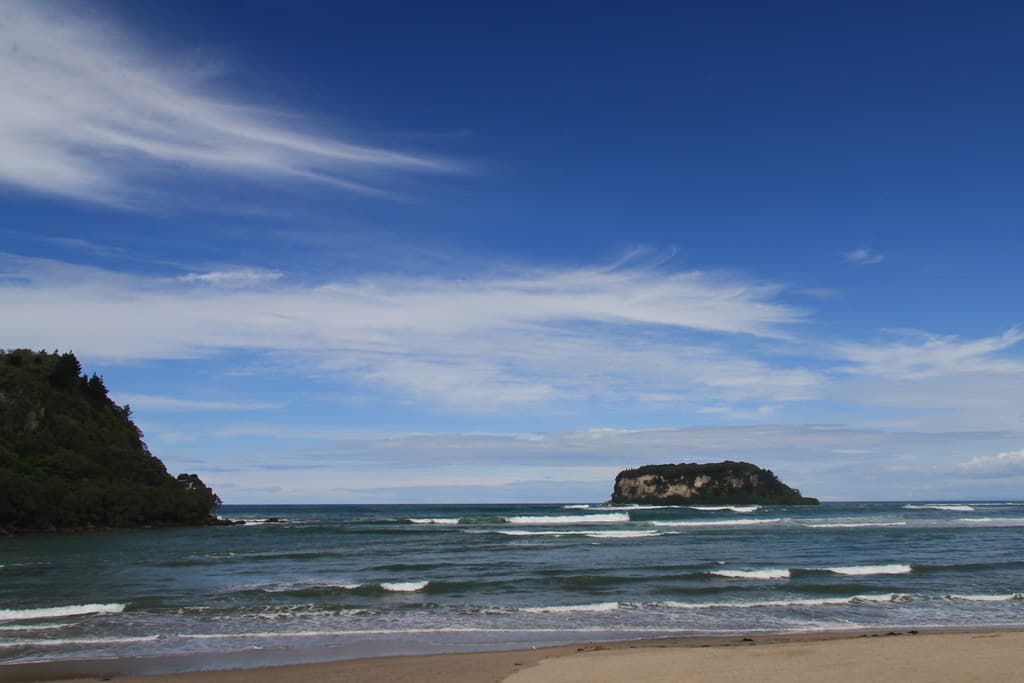
Then the beach reveals itself all at once: a crescent of honey-colored sand pressed between headlands that jut into the Pacific like clenched fists. The scale is intimate—you can see the entire beach from any point on it—but the setting feels grand, carved from harder stone than the surrounding coast. At low tide, rock platforms emerge from the shallows, their surfaces pocked with anemones and small crabs that scatter when your shadow crosses them. At high tide, the water reaches the base of the pohutukawa trees, and swimming becomes a matter of timing your entry between sets.
Cliff-edge cove with emerald water
Palm trees framing a sunset shore
Volcanic outcrops frame every angle
Sheltered between rock platforms
Claim your section of sand
Prime Visitation
Less Crowds|Best Weather
Where it is
Pokohino Beach
Whangamatā, Waikato Region, New Zealand
-37.197200°, 175.878100°
Weather
Loading…
Swell
—
Temp
Warm · Restorative
UV Index
Moderate
Wind
—
Tidal State
Last known
Max Sunlight
—
Ideal Shade
—
Jan - Dec (Peak)
Mar - Nov (Off-season)
Less Crowds|Best Weather
Select a category to load nearby places.
Unlock restaurants, luxury stays and curated maritime experiences within 2km
Pokohino Beach is a small, sheltered bay that generally offers calmer swimming conditions than the main Whangamatā surf beach. The protected nature of this hidden bay typically means gentler waves, making it more suitable for families and less confident swimmers. However, there are no lifeguard services, so swimmers must assess conditions themselves and exercise appropriate caution. Conditions can still vary with tide, weather, and swell, so always check before entering the water. The smaller size of the beach means you can supervise children more easily. Rocky areas may be present, so wear appropriate footwear when exploring and entering the water.
Pokohino Beach is scenic year-round and particularly popular for photography due to its picturesque, intimate setting. For the best light and Instagram-worthy shots, visit during golden hours—early morning or late afternoon—when soft light enhances the bay's natural beauty. Summer months (December-February) offer the best weather and clearest skies for photography, though the beach's sheltered position can create beautiful moody scenes during other seasons too. Because it's less crowded than main beaches, you can capture pristine shots without other beachgoers. Midweek visits and shoulder seasons (November, March-April) provide optimal conditions with minimal crowds and still-pleasant weather for extended photo sessions.
Pokohino Beach is located near Whangamatā but requires some local knowledge to find, contributing to its hidden character. From Whangamatā town center, the beach is accessible via local roads, though exact directions may require GPS navigation or asking locals as signage for smaller beaches can be limited. The drive is short, typically just a few minutes from the main town. Parking is likely limited due to the beach's small size and secluded nature, so arrive early during peak season. Roads are generally suitable for regular vehicles. The beach's tucked-away location is part of its appeal, offering a quieter alternative to the main Whangamatā beach.
Pokohino Beach is a small, secluded bay without commercial development or facilities. There are no cafes, shops, restrooms, or changing facilities at the beach itself. Visitors should come fully prepared with food, drinks, sun protection, and any other necessities for their visit. The nearby town of Whangamatā, just a few minutes away by car, offers comprehensive services including supermarkets, bakeries, cafes, and restaurants where you can stock up before heading to the beach. Pack a picnic and bring everything you'll need. For accommodation, Whangamatā has numerous options including motels, holiday parks, and rental properties, making it easy to visit Pokohino Beach on a day trip.
Pokohino Beach offers a dramatically different experience from Whangamatā's long, popular surf beach. This small hidden bay provides intimacy and seclusion, feeling like a private retreat despite being close to town. The sheltered setting creates calmer waters ideal for couples seeking a romantic spot or families wanting a quieter alternative to the busy main beach. Its scenic, picturesque character makes it particularly appealing for photography and peaceful relaxation. The beach's small size and tucked-away location mean fewer visitors, even during peak summer season. For those who've discovered it, Pokohino Beach represents a local secret—a beautiful escape that offers tranquility and natural beauty without the crowds.
Photos