Counting the waves…
Counting the waves…
A refined fusion of water purity, environmental stability, and communal vibrancy for White Rock Beach.
View MethodologyAnalyzed via live sensors and environmental data.
Wave height, wind, and atmospheric stability.
Live footfall and crowd balance metrics.
Community reviews and curated sentiment.
“The beach takes its name from the pale limestone formations that buttress the coastline, sculpted by millennia of southern storms. The surf here breaks with authority over a sand-and-rock bottom, the kind of waves that…”
Limited recent visitor reports — live OBI telemetry is your best guide for current conditions.
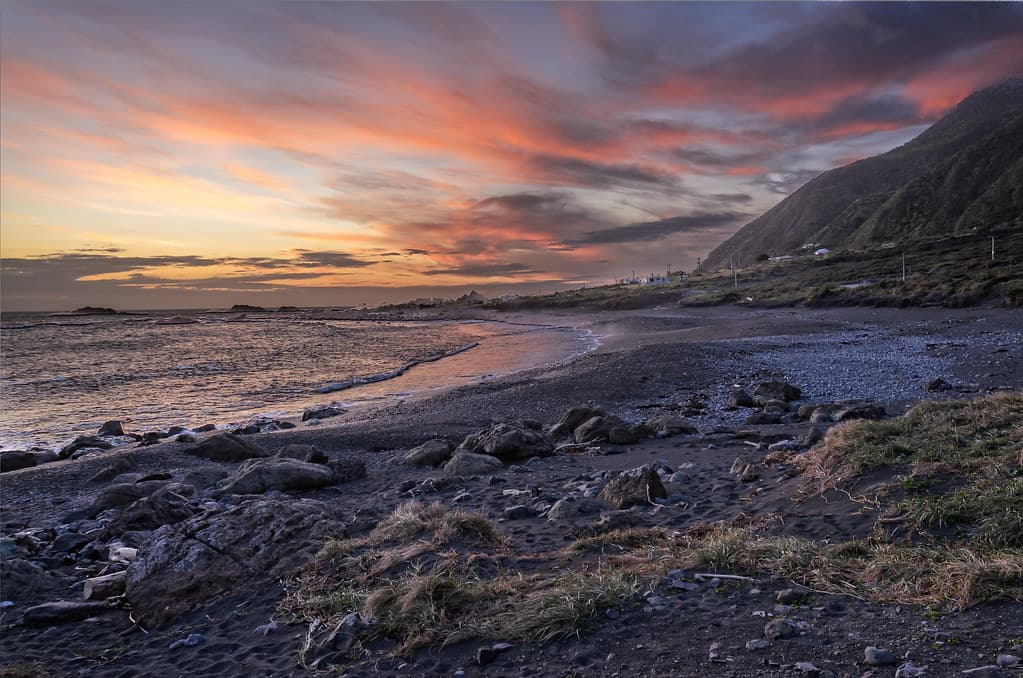
You reach White Rock by driving through farmland that suddenly gives way to a dramatic coastline where cream-coloured limestone cliffs rise from the beach like ancient fortifications. The rock itself is sedimentary, formed from compressed shells and marine organisms, soft enough that the ocean has carved caves and arches and left isolated stacks standing offshore. The beach stretches in both directions from the main access point, dark sand interspersed with rounded stones, and the waves arrive with a consistency that has surfers checking the forecast obsessively during autumn and winter swells.
This is not a beach for casual swimmers or families with toddlers. The shore dump can be brutal, the rips strong enough to exhaust even fit swimmers, and the water temperature rarely climbs above sixteen degrees. Surfers who know White Rock understand to check the conditions carefully—when it's clean, the lefts and rights can offer long rides with genuine power behind them, but when it's messy, the closeouts and currents make it dangerous rather than fun. The bottom is unforgiving, shallow enough in places that a wipeout can introduce you to sand and rock at speed.
Cliff-edge cove with emerald water
Palm trees framing a sunset shore
Powerful breaks for experienced surfers
Limestone formations and offshore stacks
Caves and arches at low tide
Prime Visitation
Anytime|Less Crowds
Where it is
White Rock Beach
White Rock, Wellington Region, New Zealand
-41.553600°, 175.528800°
Weather
Loading…
Swell
—
Temp
Warm · Restorative
UV Index
Moderate
Wind
—
Tidal State
Last known
Max Sunlight
—
Ideal Shade
—
Jan - Dec (Peak)
Mar - Nov (Off-season)
Historical data suggests peak visibility and stable sea temperatures occur during the prime visitation window.
Select a category to load nearby places.
Unlock restaurants, luxury stays and curated maritime experiences within 2km
White Rock Beach has powerful, often dangerous surf conditions suited only for experienced surfers. Swimming is not recommended due to strong rips, undertows, and large waves that can exceed several meters. There are no lifeguard services at this remote location. The beach is exposed to southerly swells from the Cook Strait and Tasman Sea, creating unpredictable conditions. Even experienced surfers should exercise caution, never surf alone, and check conditions carefully. The rocky shore and limestone outcrops add additional hazards. This beach demands respect and ocean experience for any water activities.
White Rock Beach can be visited year-round, with each season offering different experiences. Summer provides warmer weather for exploring, though the beach remains wild and windswept. For surfing, autumn and winter typically bring the biggest swells, though conditions are more challenging. The beach is rarely crowded at any time, offering solitude for those seeking remote coastal scenery. Visit during stable weather windows, as the exposed Wairarapa coast can experience sudden weather changes. Early morning or late afternoon light provides the best conditions for photography of the dramatic limestone formations.
White Rock Beach is located in remote south Wairarapa, requiring a significant drive from major centers. From Wellington, travel approximately two hours via State Highway 2 through the Wairarapa, then toward the coast on rural roads. The final approach may involve gravel or unsealed roads requiring careful navigation. A sturdy vehicle is recommended, and road conditions can deteriorate in wet weather. Limited signposting means good navigation tools are essential. The isolation means cell phone coverage may be unreliable. The challenging access is part of what keeps this beach uncrowded and pristine.
White Rock Beach has no facilities whatsoever—no toilets, fresh water, shelter, or services. Visitors must be completely self-sufficient, bringing all food, water, and emergency supplies. The nearest towns with basic services are in the Wairarapa region, some distance away. Accommodation options are limited to rural farmstays, holiday homes, or camping in the broader south Wairarapa area. Most visitors base themselves in towns like Martinborough or Featherston and make day trips. The remoteness requires careful planning, adequate fuel, and preparation for changing weather conditions without nearby assistance.
White Rock Beach features dramatic limestone formations and cliffs that create striking coastal scenery unique to this part of the Wairarapa coast. The pale limestone contrasts beautifully with the dark sand and blue-green ocean, creating exceptional photographic opportunities. These formations are ancient marine sediments uplifted over millions of years, showcasing New Zealand's dynamic geological history. The combination of limestone outcrops, powerful surf, and remote location gives the beach a wild, untamed character. The scenery changes with light and tide, offering endless visual interest for photographers and nature enthusiasts seeking pristine coastal landscapes.
Photos