

Your bangka departs from the Masbate City waterfront, threading through harbor traffic—cargo vessels, fishing boats, inter-island ferries—before turning toward open water. The reef appears first as a shift in color, that telltale shift from deep blue to aquamarine that signals shallow coral below. Then the sandbar emerges, its boundaries constantly redrawn by tide and current, a temporary island that thousands of years of wave action have piled atop the reef platform.
“The ephemeral sandbar offers the rare combination of beach lounging and immediate reef access within sight of a provincial capital.”
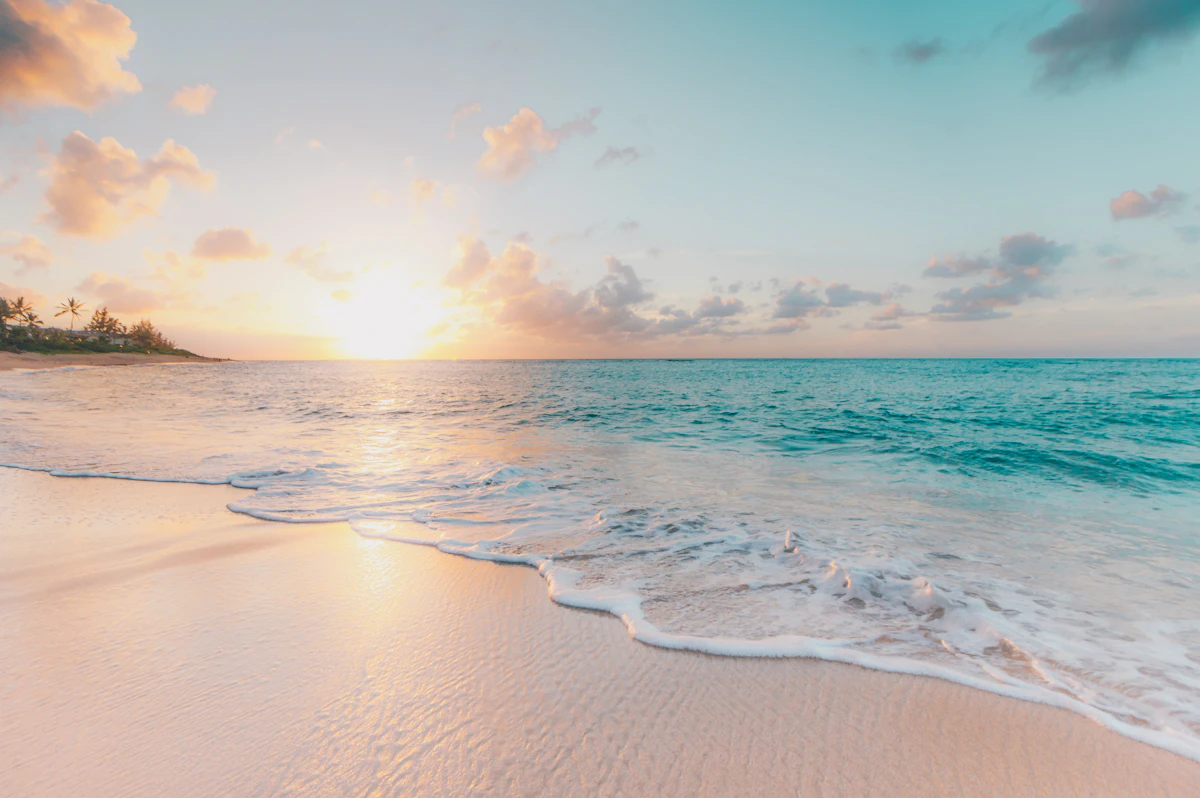 Credit: Unsplash
Aerial view of turquoise tropical bay
The water here holds your attention more than the sand itself: drop your mask below the surface and the reef sprawls in all directions, table corals and brain formations hosting schools of sergeant majors, parrotfish grinding away at the limestone, the occasional needlefish hovering motionless in the current. The reef's proximity to the city has taken some toll—patches of rubble where dynamite fishing once occurred, the occasional plastic bag snagged on coral branches—but enough thrives to make the snorkeling worthwhile. The sandbar serves as a base camp: you swim out to explore, return to rest on warm sand, repeat.
The tidal shifts dictate timing: arrive at low tide for maximum sand exposure and easier reef access, though high tide brings deeper channels between the coral heads that let you drift without scraping your knees. Most visitors come on weekends when outriggers make regular runs, creating a floating party atmosphere with bancas anchored around the perimeter and music carrying across the water. Weekday visits mean near-solitude, just you and the boatman and the fish indifferent to your presence.


