
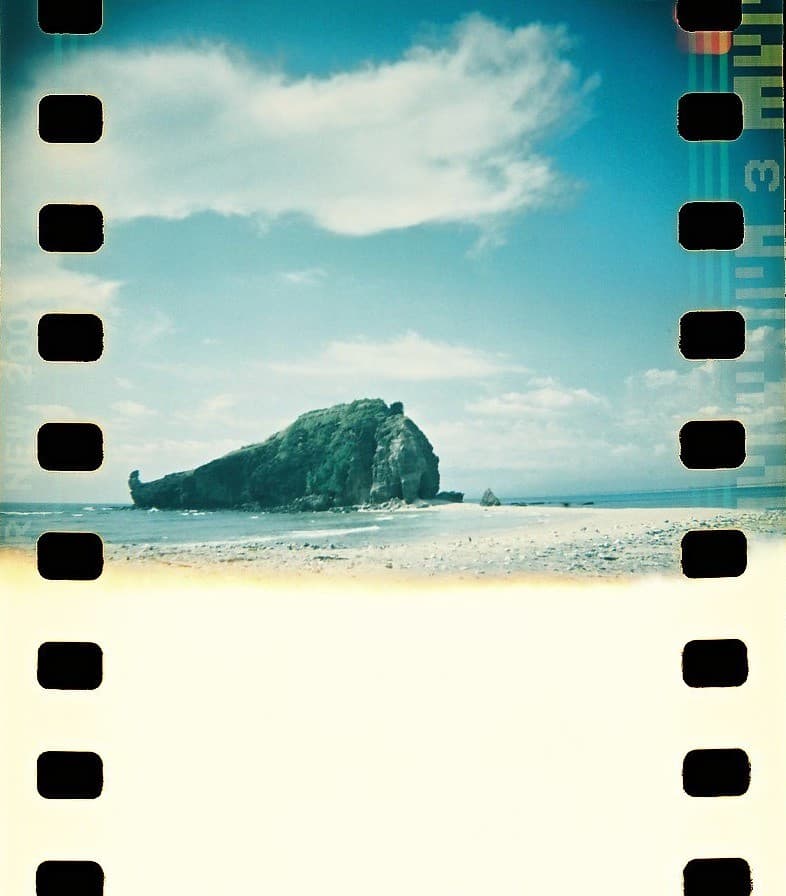
Capones Island announces itself from kilometers offshore: a lighthouse tower striped in peeling paint, perched on a volcanic plug that takes the full brunt of the South China Sea. The beach on the eastern lee is a narrow apron of gray sand and water-smoothed stones, sheltered just enough for bancas to land without capsizing. You'll step onto shore and immediately smell the salt-crusted rocks baking under the equatorial sun, hear the percussion of waves against the western cliffs where seabirds nest in the crevices.
“The lighthouse has stood watch since the Spanish colonial era, a rare functioning relic where you can still climb the rusted ladder to the lamp room and scan the horizon like a 19th-century keeper.”
 Credit: Flickr
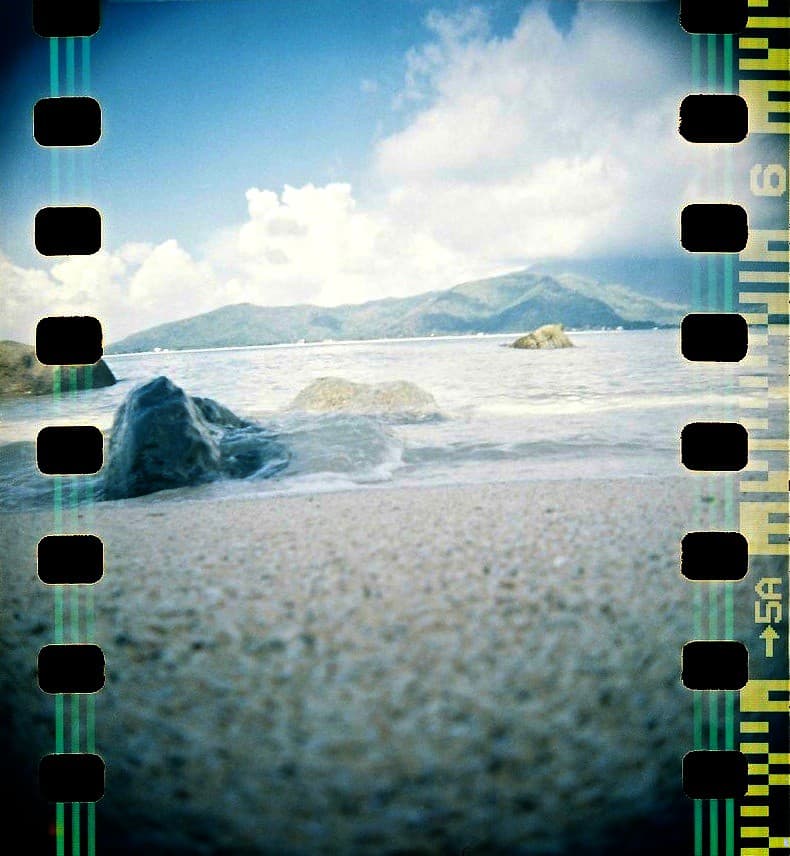
Capones Island Beach — photo by mayrpamintuan
The lighthouse rewards the scramble up broken stone steps with views across the Zambales coast—on clear mornings you can trace the shoreline from Subic to Iba. Below, the water toggles between turquoise over sandbars and indigo where the reef plunges. Boatmen anchor here for an hour, maybe two, as part of the standard island-hopping circuit from Pundaquit, giving you time to snorkel the coral gardens on the southern point or simply sit in the scant shade of the tower.
This isn't a beach for lounging. The sand is gritty with volcanic minerals, the sun relentless. But Capones delivers something more valuable than comfort: the visceral thrill of standing on a rock in the middle of open water, surrounded by nothing but wind and waves and the ghosts of Spanish sailors who once tended the light.


