
Counting the waves…
Counting the waves…
A refined fusion of water purity, environmental stability, and communal vibrancy for Anawangin Cove.
View MethodologyAnalyzed via live sensors and environmental data.
Wave height, wind, and atmospheric stability.
Live footfall and crowd balance metrics.
Community reviews and curated sentiment.
“Mount Pinatubo's 1991 eruption transformed this fishing village into a pine-fringed amphitheater of volcanic sand. The boat ride from Pundaquit reveals limestone cliffs dropping into channels where outriggers anchor…”
Limited recent visitor reports — live OBI telemetry is your best guide for current conditions.
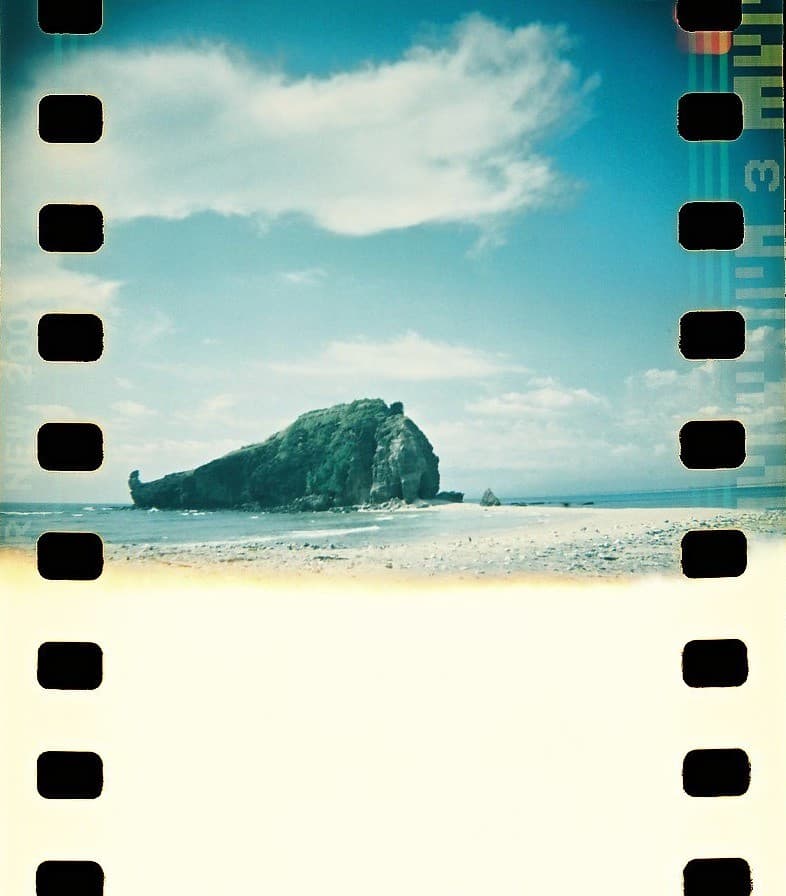
Your boat cuts through the West Philippine Sea as the coastline shifts from mangrove estuaries to volcanic outcrops. Anawangin announces itself through a grove of agoho pines—tall, whispering sentinels that shouldn't exist on a tropical beach. The 1991 eruption buried the original shoreline under lahar; what grew back is this unusual marriage of gray volcanic sand and wind-sculpted pines that rattle in the onshore breeze.
You'll wade through bathwater shallows that stretch thirty meters from shore, the bottom firm and cool underfoot. Locals spread blue tarps beneath the pines for impromptu picnics; the scent of grilled bangus and garlic rice drifts through needle-carpeted clearings. By mid-afternoon, the cove fills with day-trippers from Manila, their laughter competing with the hiss of waves on coarse sand.
Walk the volcanic forest floor
Explore the extended tidal flats
Pines against fading light
Prime Visitation
Best Weather|Less Crowds
Where it is
Anawangin Cove
San Antonio, Zambales, Philippines
14.880000°, 120.078000°
Weather
Loading…
Swell
—
Temp
Warm · Restorative
UV Index
Moderate
Wind
—
Tidal State
Last known
Max Sunlight
—
Ideal Shade
—
Jan - Dec (Peak)
May - Nov (Off-season)
Best Weather|Less Crowds
Select a category to load nearby places.
Unlock restaurants, luxury stays and curated maritime experiences within 2km
Anawangin Cove generally offers calm, protected waters suitable for swimming, especially during the dry season. The cove's sheltered position makes it safer than open beaches, though waves can pick up during monsoon season. The water is relatively shallow near the shore, making it family-friendly. However, there are no lifeguards on duty, so swimmers should be cautious and supervise children closely. Always check weather conditions before your trip, as rough seas can make boat transfers dangerous and swimming inadvisable. The cove's unique pine tree setting provides shade along the shoreline.
The ideal time to visit Anawangin Cove is during the dry season from November to May, with March to May offering the calmest seas and sunniest weather. November to February provides cooler temperatures and fewer crowds, perfect for those seeking a quieter experience. Avoid the monsoon months of June to October when rough seas can cancel boat trips and heavy rains dampen the camping experience. Weekdays are significantly less crowded than weekends and holidays when day-trippers from Manila arrive. Book boat transfers in advance during peak season.
Anawangin Cove is accessible only by boat from Pundaquit, San Antonio, Zambales. First, travel from Manila to San Antonio (4-5 hours by bus), then take a tricycle to Pundaquit beach. From Pundaquit, hire a boat for the 30-45 minute journey to Anawangin. Boats can be arranged through tour operators or directly with local boatmen; group bookings reduce individual costs. Some operators offer packaged tours including boat transfer, camping equipment, and meals. Sea conditions determine boat schedules, so always check weather forecasts and confirm trips in advance.
Anawangin Cove is famous for camping, with visitors pitching tents on the unique volcanic sand under agoho (pine-like) trees. You can bring your own camping gear or rent from operators in Pundaquit or on-site. Basic facilities include toilets and freshwater for washing. There are no permanent restaurants; most campers bring their own food or arrange meal packages through tour operators. Small vendors sometimes sell snacks and drinks, but supplies are limited and expensive. It's highly recommended to bring all food, water, and supplies from the mainland to ensure comfort during your stay.
Anawangin Cove's unique landscape sets it apart: a crescent-shaped beach of gray volcanic sand surrounded by hills and lined with agoho trees that create a pine forest atmosphere unusual for tropical Philippines. This distinctive scenery resulted from the 1991 Mount Pinatubo eruption, which deposited volcanic material and changed the ecosystem. The contrast of pine-like trees against a beach backdrop creates stunning photos, especially at golden hour. The cove's remote, boat-access-only location preserves its pristine beauty, making it one of Zambales' most photographed and recognizable destinations despite being relatively hidden.
Photos