Counting the waves…
Counting the waves…
A refined fusion of water purity, environmental stability, and communal vibrancy for Sail Rock Beach.
View MethodologyAnalyzed via live sensors and environmental data.
Wave height, wind, and atmospheric stability.
Live footfall and crowd balance metrics.
Community reviews and curated sentiment.
“Imagine a geological marvel, a thin stone plate rising from the water, casting its shadow over a quiet stretch of pebbles. Sail Rock Beach offers more than just a place to lay your towel; it's an encounter with raw,…”
Limited recent visitor reports — live OBI telemetry is your best guide for current conditions.
Tucked away near Praskoveevka, Sail Rock Beach is defined by its namesake, a monumental sandstone fin cleaved from the mainland. This geological anomaly, sculpted by wind and waves, stands sentinel over a compact pebble shore, inviting contemplation and awe. The rock itself is a canvas of light and shadow, particularly captivating during the golden hours.
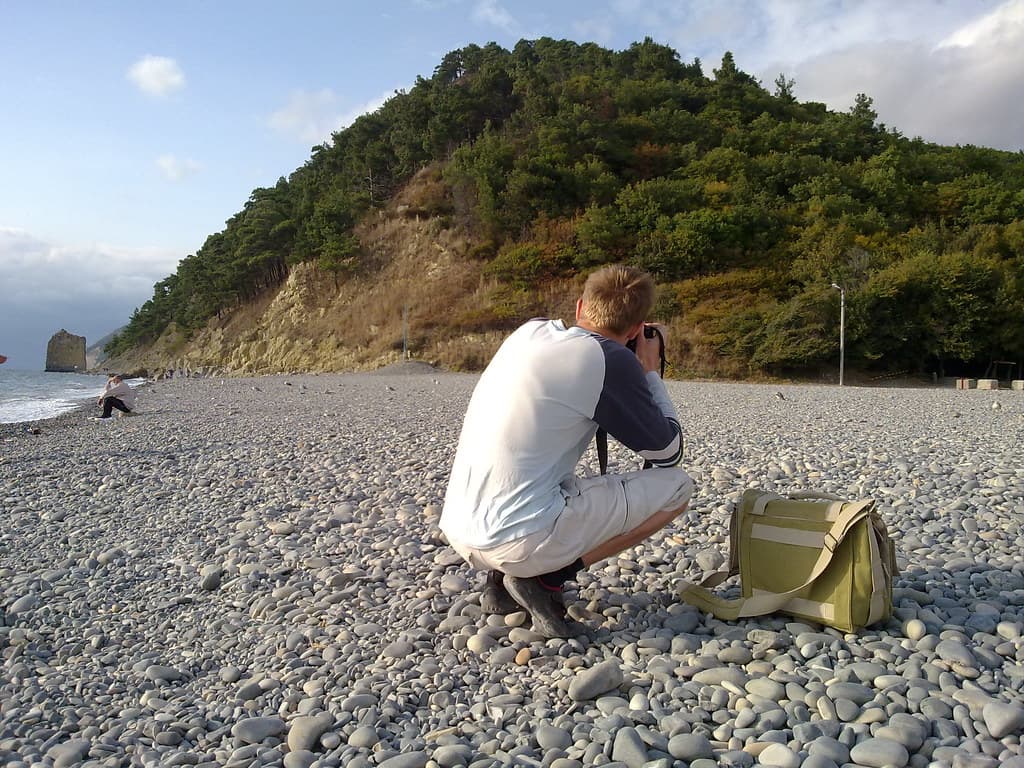
The beach itself is a modest affair, a crescent of smooth, sun-warmed stones meeting the gentle lapping of the Black Sea. The water here often boasts a clarity that belies its pebble bed, making it an inviting spot for a refreshing dip. You'll find a quietude that's increasingly rare, a space where the dominant sounds are the rustle of the breeze and the soft murmur of the waves.
Wide white-sand beach with footprints
Cliff-edge cove with emerald water
Iconic rock formations
Cool, clear waters
Explore the shoreline
Prime Visitation
Best Weather|Less Crowds
Where it is
Sail Rock Beach
Praskoveevka, Krasnodar Krai, Russia
44.438200°, 38.185800°
Weather
Loading…
Swell
—
Temp
Warm · Restorative
UV Index
Moderate
Wind
—
Tidal State
Last known
Max Sunlight
—
Ideal Shade
—
May - Sep (Peak)
Jan - Dec (Off-season)
Best Weather|Less Crowds
Select a category to load nearby places.
Unlock restaurants, luxury stays and curated maritime experiences within 2km
Swimming conditions at Sail Rock Beach vary depending on weather and sea state. The pebble beach drops off relatively quickly into deeper water, and currents can be strong near the rock formation itself. There are typically no lifeguards on duty at this small, relatively undeveloped beach. Swimmers should exercise caution, avoid venturing too close to Sail Rock due to currents and boat traffic, and check local weather conditions before entering the water. The beach is best suited for confident swimmers during calm conditions.
The optimal time to visit is during late spring (May-June) or early autumn (September) when weather is pleasant but crowds are smaller than peak summer months. These shoulder seasons offer better opportunities for photography without crowds blocking views of the iconic rock formation. Early morning visits provide the best lighting for Instagram-worthy photos and a more peaceful experience. Summer months (July-August) bring warmer water temperatures but significantly more visitors, making the small beach area feel crowded.
Sail Rock Beach is located near the village of Praskoveevka, approximately 30 kilometers from Gelendzhik. Most visitors arrive by car or taxi, as public transportation options are limited. From Gelendzhik, follow the coastal road toward Dzhanhot and Praskoveevka. There's a parking area near the beach access point, though it fills quickly during peak season. Some travelers join organized excursion tours from Gelendzhik or Novorossiysk that include the Sail Rock viewpoint and beach access as part of coastal sightseeing packages.
The beach itself has minimal facilities due to its small size and natural character. The nearby village of Praskoveevka offers limited guesthouses, private room rentals, and small cafes serving basic Russian and Black Sea cuisine. For more extensive accommodation and dining options, visitors typically stay in the larger resort town of Gelendzhik and visit Sail Rock as a day trip. It's advisable to bring water, snacks, and sun protection, as vendors and shops directly at the beach are sporadic or seasonal at best.
Sail Rock (Parus Rock) is a dramatic vertical rock formation rising approximately 25-30 meters from the sea, resembling a ship's sail. This geological phenomenon is one of the most photographed landmarks along Russia's Black Sea coast. The rock features a distinctive rectangular hole near its base, created by natural erosion and reportedly enlarged by artillery practice in the 19th century. The contrast between the white-grey rock face and blue sea creates stunning photo opportunities, particularly during golden hour. Its unique shape and isolated position make it instantly recognizable.
Photos