
Counting the wavesβ¦

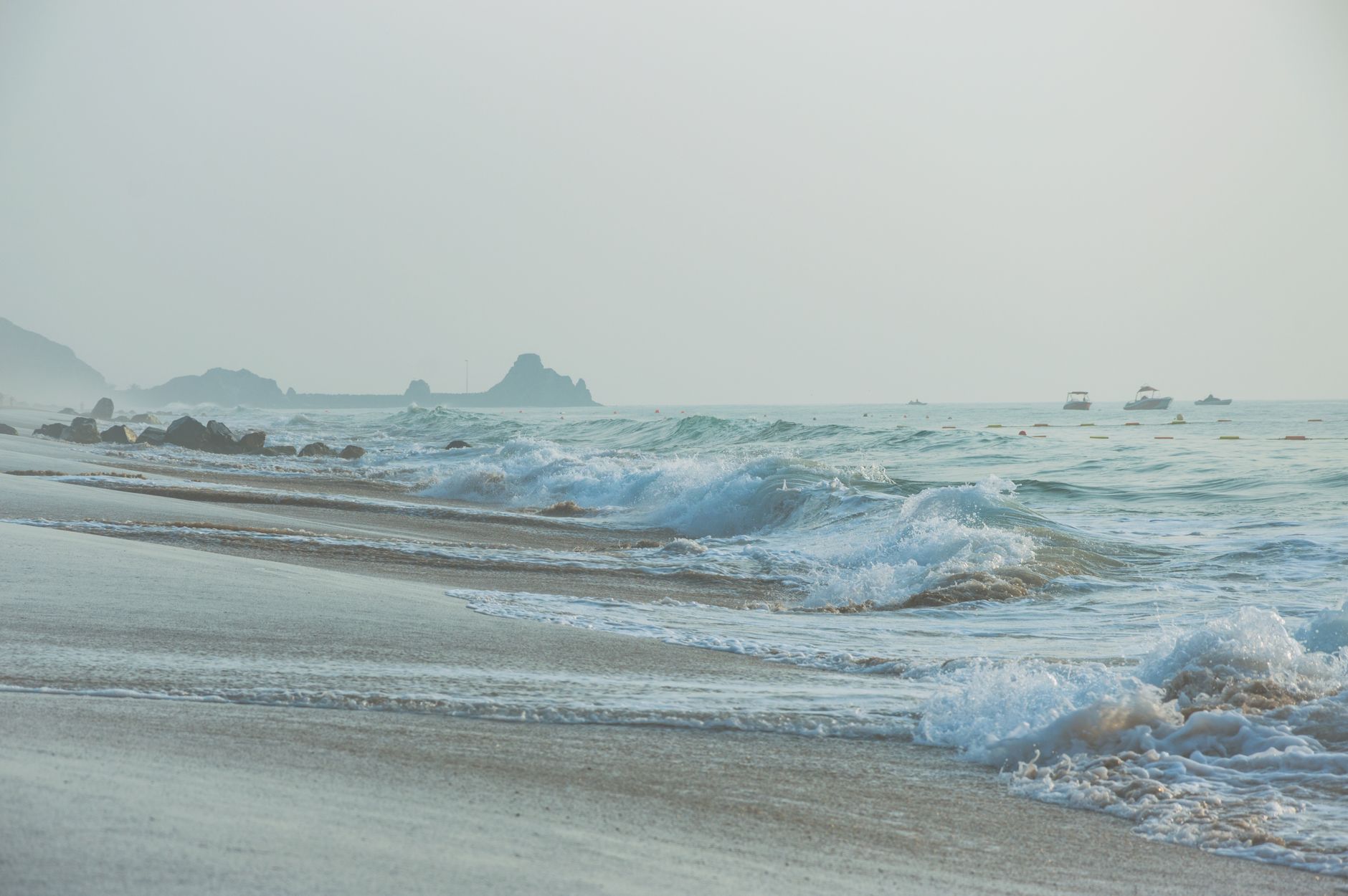
The crisp, salty air carries the scent of the sea as waves crash against the dark, volcanic rocks of Cape Anastasia Beach. This isn't your typical sandy resort; it's a raw, untamed stretch of coastline near Cape Crillon, Sakhalin Oblast, where nature's grandeur takes center stage. OnlyBeaches rates Cape Anastasia Beach a solid 7.8 on the OnlyBeaches Index (OBI), placing it firmly in our Tier 2 category for its exceptional natural scenery and profound sense of isolation. What makes this beach truly distinctive is its untouched character and low tourism density. The shoreline is predominantly rocky, with smooth, dark stones polished by the relentless tides, rather than soft sand. While not ideal for sunbathing or casual swimming due to the cold, often turbulent waters and uneven footing, it's a paradise for contemplation and photography. The dramatic cliffs and unique rock formations provide a stunning backdrop, especially as the day draws to a close. The best time to visit Cape Anastasia Beach is during the late summer months, typically August and early September, when the weather is at its mildest, though still cool. This period also offers the most spectacular sunsets, painting the sky in fiery hues over the Sea of Japan. It's a destination for the adventurous spirit, the nature photographer, and anyone craving a profound connection with the wild, untamed beauty of the Russian Far East. Families with young children or those seeking resort amenities will find it less suitable. For those who make the journey, the reward is immense. A local tip: wear sturdy, waterproof footwear suitable for navigating rocky terrain. The beauty here is in the exploration, the quiet moments, and the sheer scale of the natural landscape.
Places, rentals, tours and events within walking and driving distance of Cape Anastasia Beach.
Photos
Swimming is generally not recommended due to the rocky seabed, cold water, and potential for strong currents. Exercise extreme caution if entering the water.
Late summer, particularly August and early September, offers the mildest weather and the most spectacular sunsets, though it remains cool.
Access typically involves driving to the Cape Crillon area, followed by a trek over rugged terrain. It is a remote location requiring planning.
As a remote and undeveloped beach, there are no public facilities such as restrooms, cafes, or lifeguards available on site.
Yes, dogs are generally welcome, but always keep them on a leash and ensure you clean up after them to preserve the natural environment.
The historic Cape Crillon lighthouse is nearby, offering additional scenic views and a glimpse into the region's maritime history.