

Counting the waves…
Counting the waves…
A refined fusion of water purity, environmental stability, and communal vibrancy for Grand Anse.
View MethodologyAnalyzed via live sensors and environmental data.
Wave height, wind, and atmospheric stability.
Live footfall and crowd balance metrics.
Community reviews and curated sentiment.
“Grand Anse lives up to its name, stretching out in a magnificent, unspoiled arc where the ocean's energy is palpable. Here, the waves roll in with a dramatic flourish, inviting a different kind of beach experience. This…”
Limited recent visitor reports — live OBI telemetry is your best guide for current conditions.
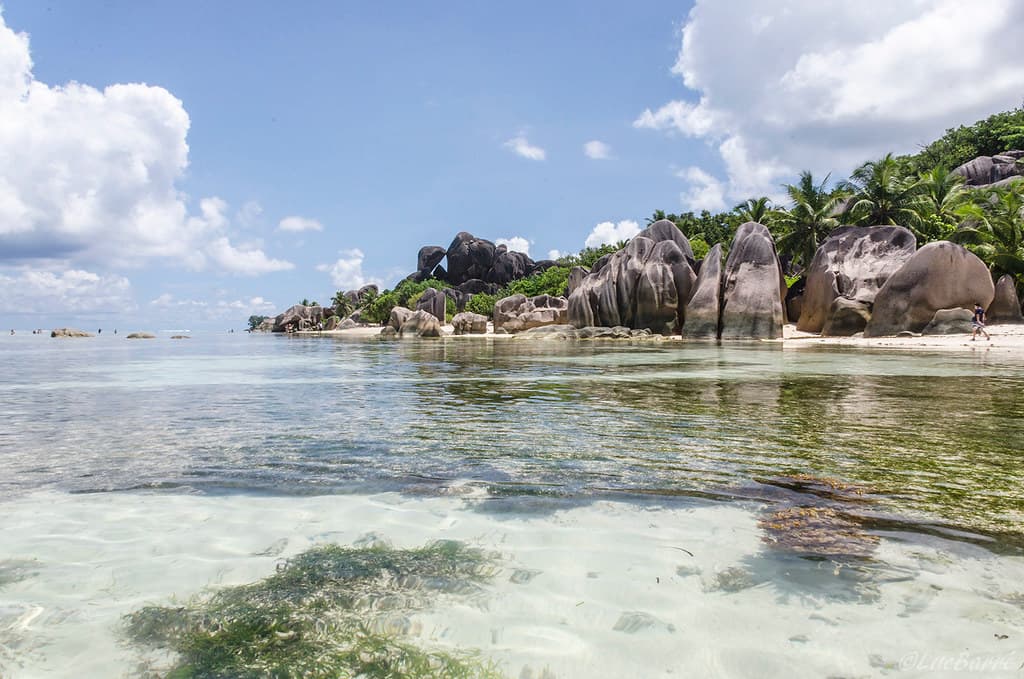
Grand Anse is a testament to the wild, untamed beauty of La Digue. Unlike the sheltered lagoons found elsewhere, this expansive bay faces the open ocean, allowing the full force of the Indian Ocean to sculpt its shores. The result is a magnificent, sweeping stretch of brilliant white sand, backed by a dense fringe of casuarina trees and the verdant hills of the island. It’s a landscape that feels both immense and profoundly natural, devoid of development and rich in raw appeal.
The defining feature of Grand Anse is its powerful surf. Waves here can be substantial, crashing onto the shore with a rhythmic roar that echoes the ocean's might. While this makes it less ideal for casual swimming, it offers a thrilling spectacle for those who appreciate the dynamic energy of the sea. The strong currents and powerful undertows demand respect, making it a place more for admiring the ocean's power than for leisurely dips.
Observe dramatic surf
Relax on vast beach
Explore unspoiled coast
Prime Visitation
Best Weather|Less Crowds
Where it is
Grand Anse
La Passe, La Digue, Seychelles
-4.351200°, 55.838600°
Weather
Loading…
Swell
—
Temp
Warm · Restorative
UV Index
Moderate
Wind
—
Tidal State
Last known
Max Sunlight
—
Ideal Shade
—
May - Sep (Peak)
Jan - Dec (Off-season)
Best Weather|Less Crowds
Select a category to load nearby places.
Unlock restaurants, luxury stays and curated maritime experiences within 2km
Grand Anse is known for its strong surf, which can make swimming challenging, especially for inexperienced swimmers. While the dramatic scenery is captivating, caution is advised when entering the water. There are typically no lifeguards on duty, so visitors should be aware of currents and waves. It's generally safer to enjoy the beach from the shore or wade in shallow areas, particularly during rougher conditions.
The best time to visit Grand Anse is during periods of best weather and fewer crowds, which usually aligns with the drier seasons. While the surf can be strong year-round, calmer conditions might be found during specific months. Visiting earlier in the morning can offer a more tranquil experience before more visitors arrive, allowing you to fully appreciate the long, unspoiled beauty of the beach.
Grand Anse is located on La Digue Island and is relatively accessible from the main settlement of La Passe. Visitors can typically reach it by bicycle, which is a popular mode of transport on La Digue, or by taxi. The journey offers scenic views of the island's interior. Upon arrival, expect a long stretch of white sand beach with open ocean views and a distinct lack of development, emphasizing its unspoiled nature.
While Grand Anse is an unspoiled beach, there are usually a few small, informal local eateries or fruit stalls near the entrance to the beach, offering refreshments and simple meals. However, there are no direct lodging options on the beach itself. For accommodation and a wider selection of dining, visitors would need to return to the main areas of La Digue, such as La Passe, where various guesthouses and restaurants are available.
Grand Anse is unique for its impressive length, unspoiled nature, and dramatic scenery, characterized by its strong surf and powerful waves. Unlike some of La Digue's more sheltered coves, Grand Anse offers a wilder, more expansive coastal experience. It's a fantastic spot for those who appreciate the raw beauty of the ocean and enjoy watching the waves, making it a striking contrast to the island's calmer, more protected beaches.
Photos